
Wadi Tifdest
New uploads
It begins gently among the highlands, then the mountains grow grander the farther north one goes. In Wadi Tifdest, the peaks appear as if guarding the narrow passages of ancient waters, preserving the memory of plants, rain, and fleeting seasons. There, only there in that infinite expanse, the place seems like an open geological scene, where the harshness of extinct volcanoes coexists with a life that knows how to settle in the most mysterious and isolated of environments.
some of the rock art in Tifdest


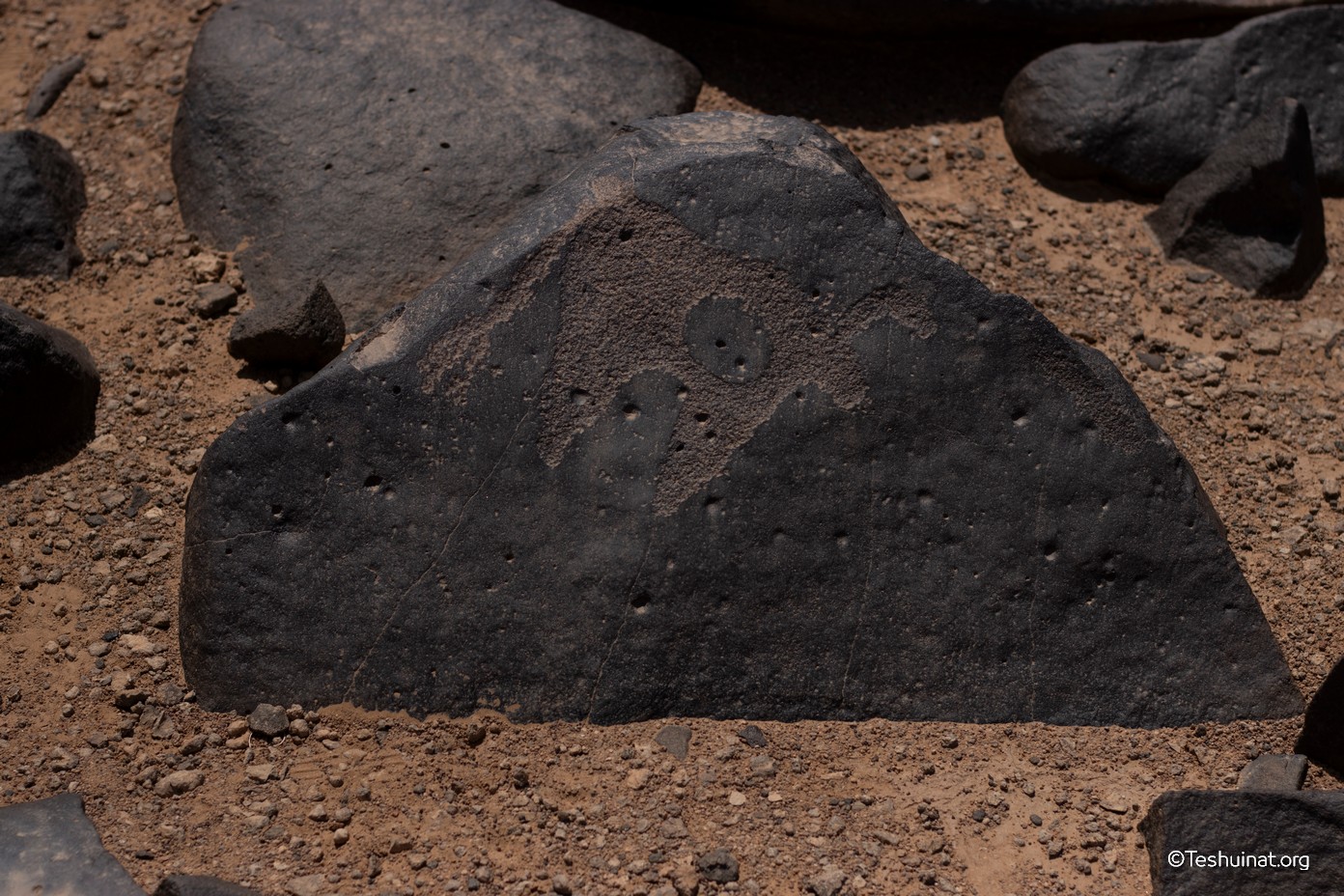

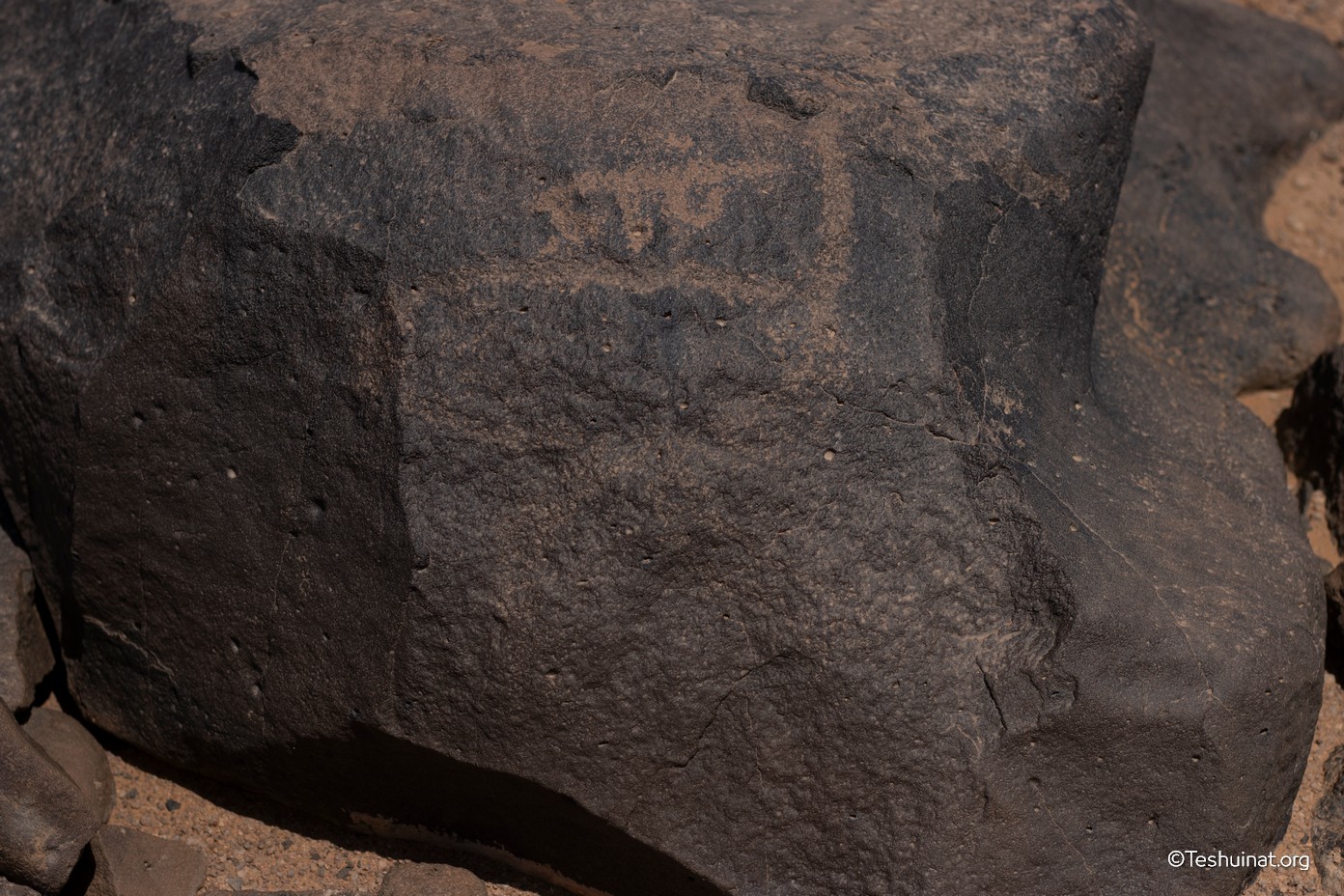


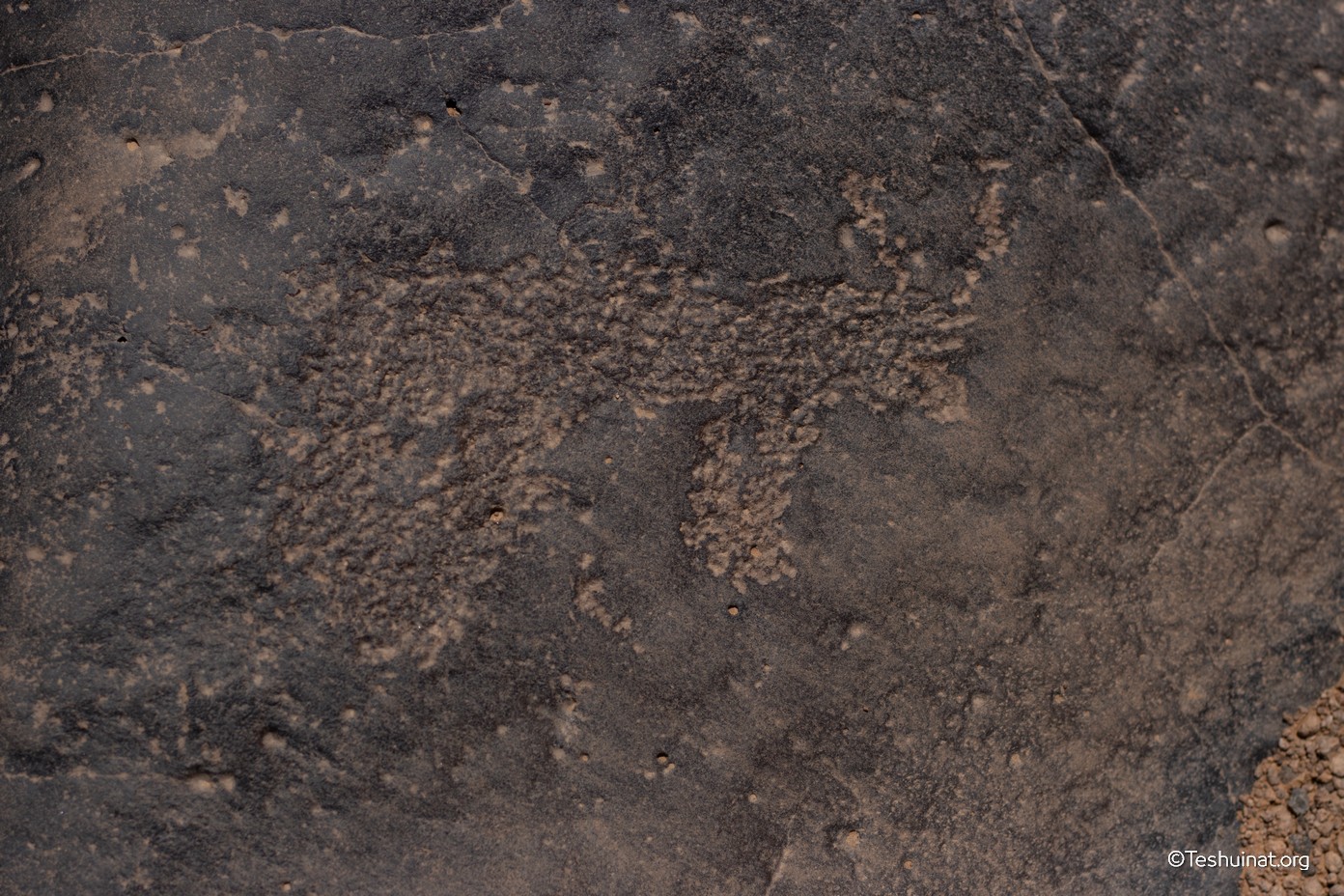

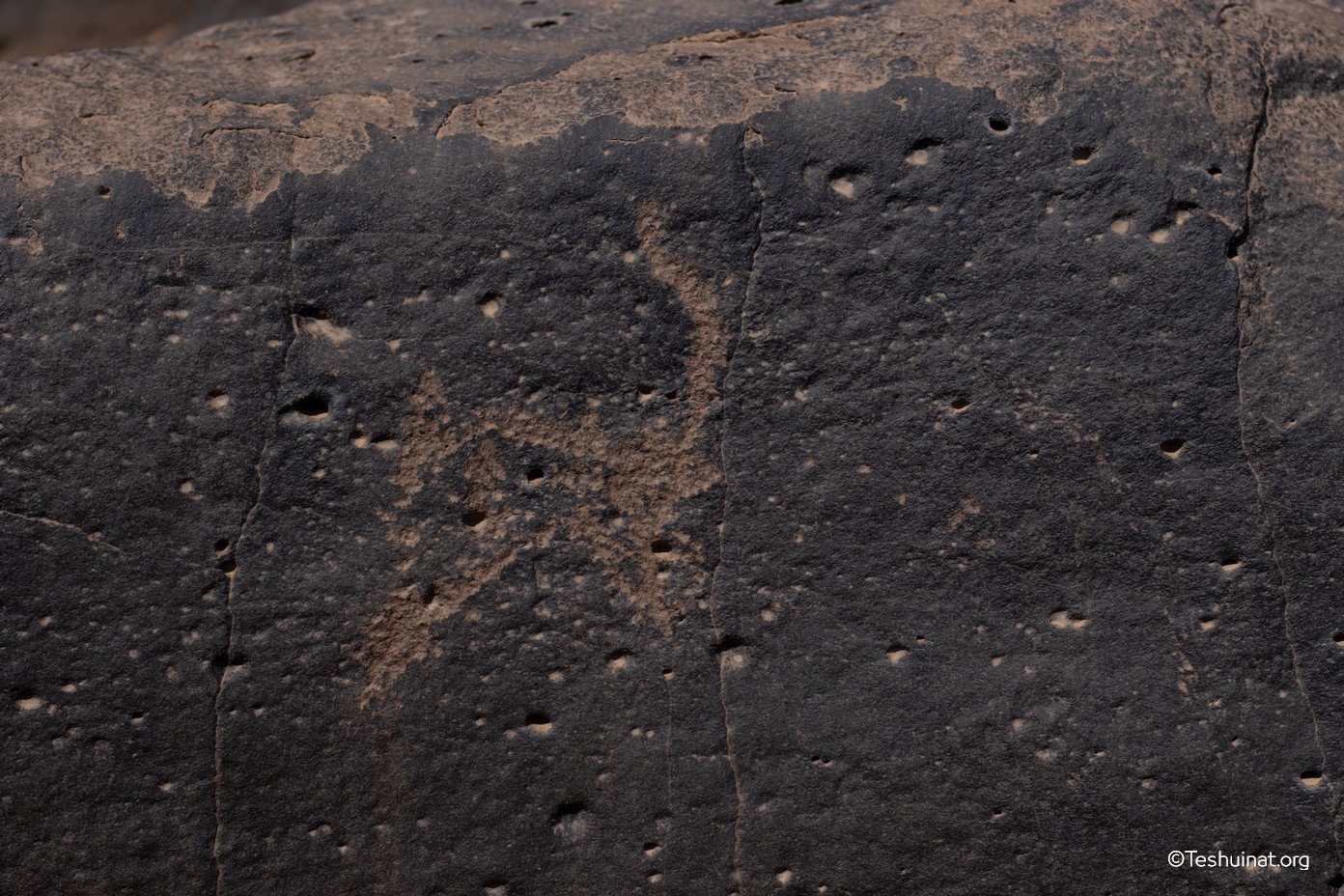


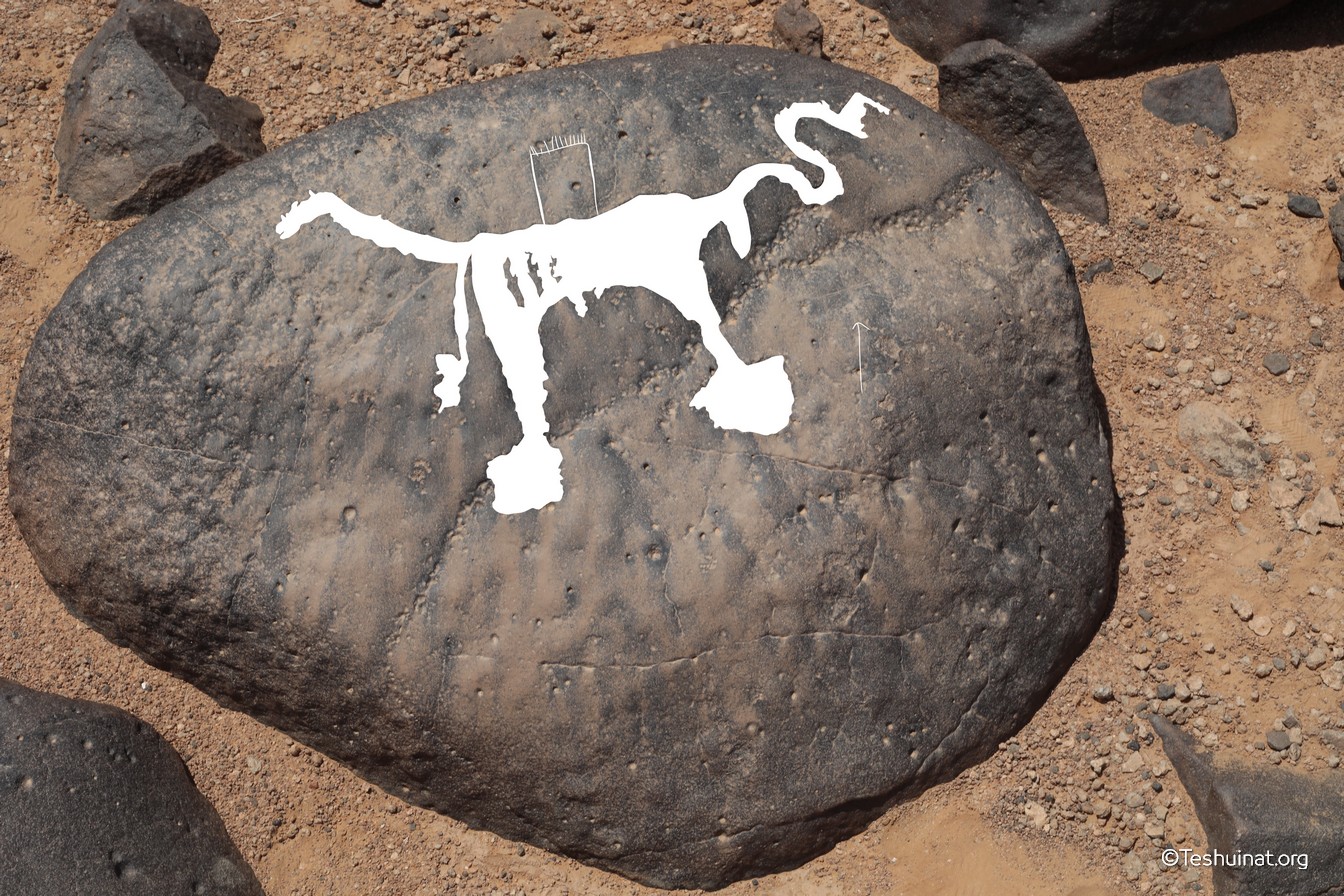


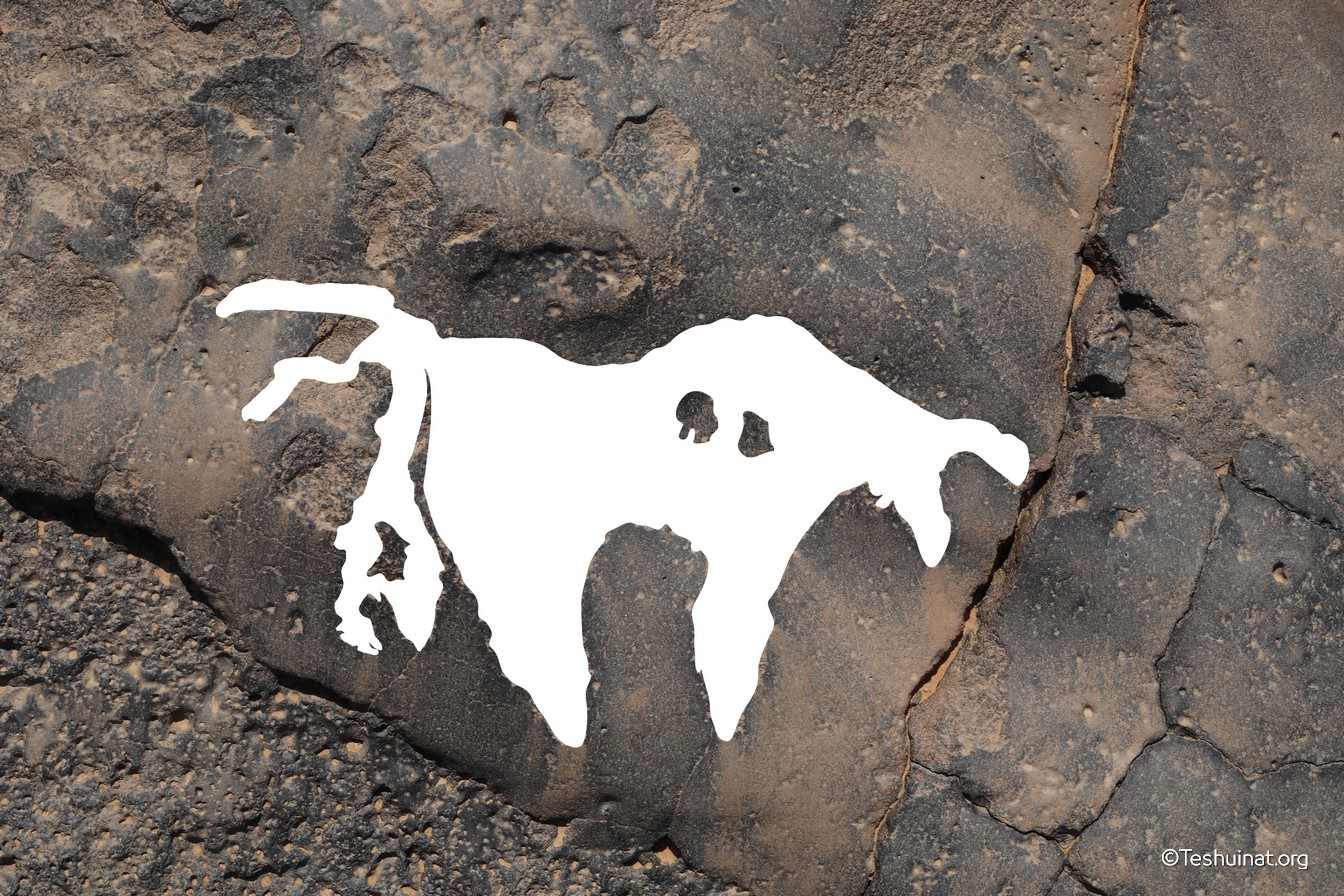


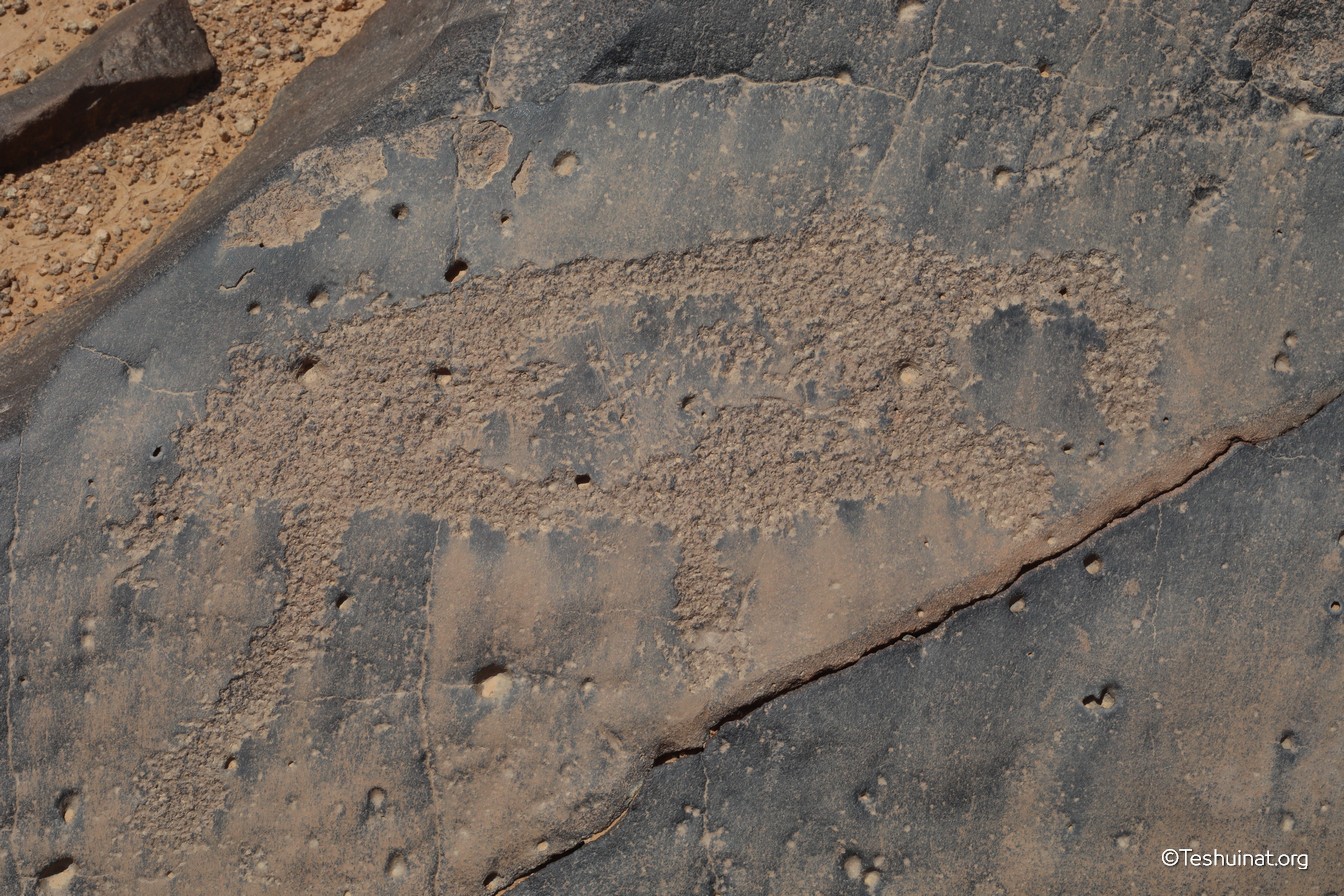


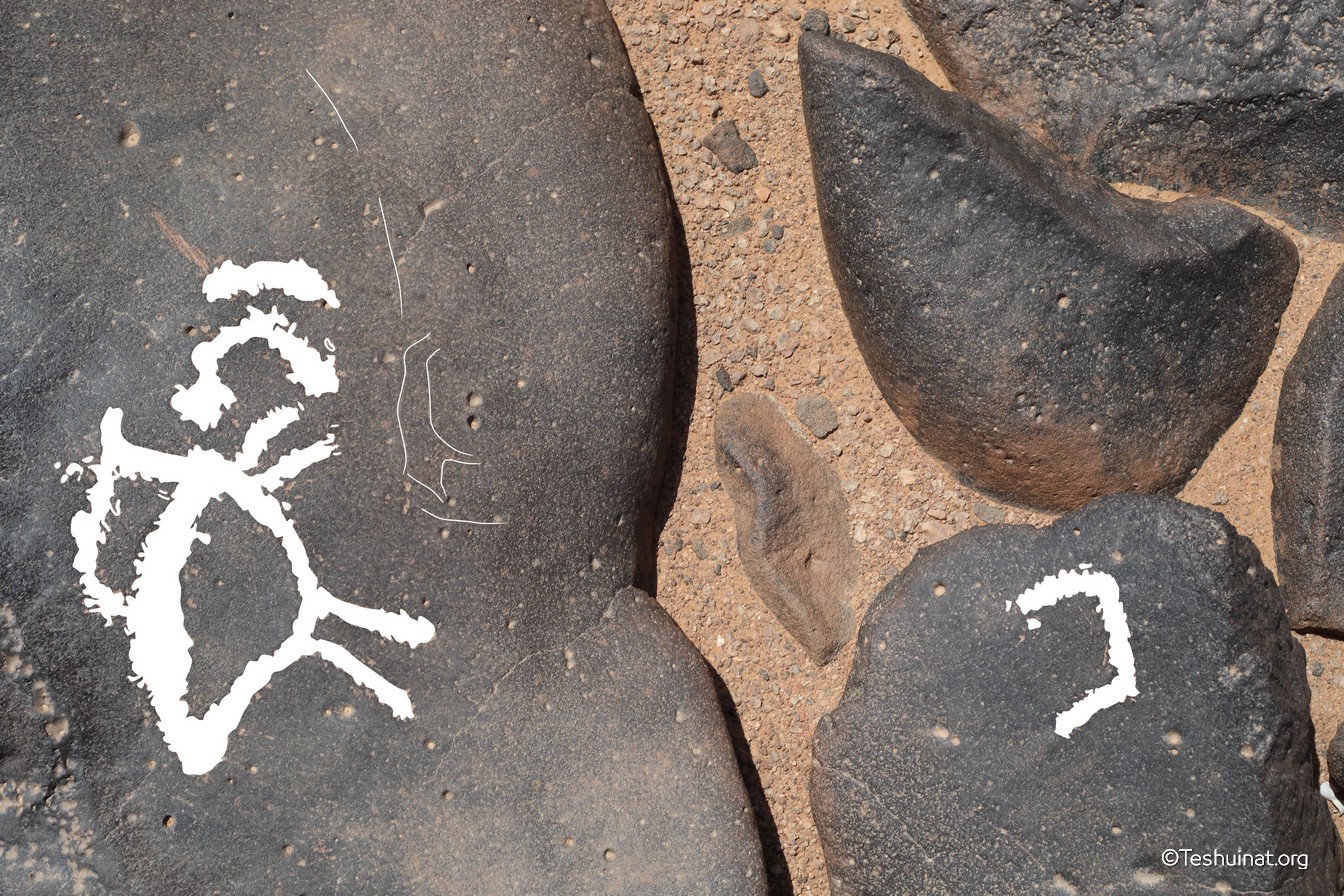
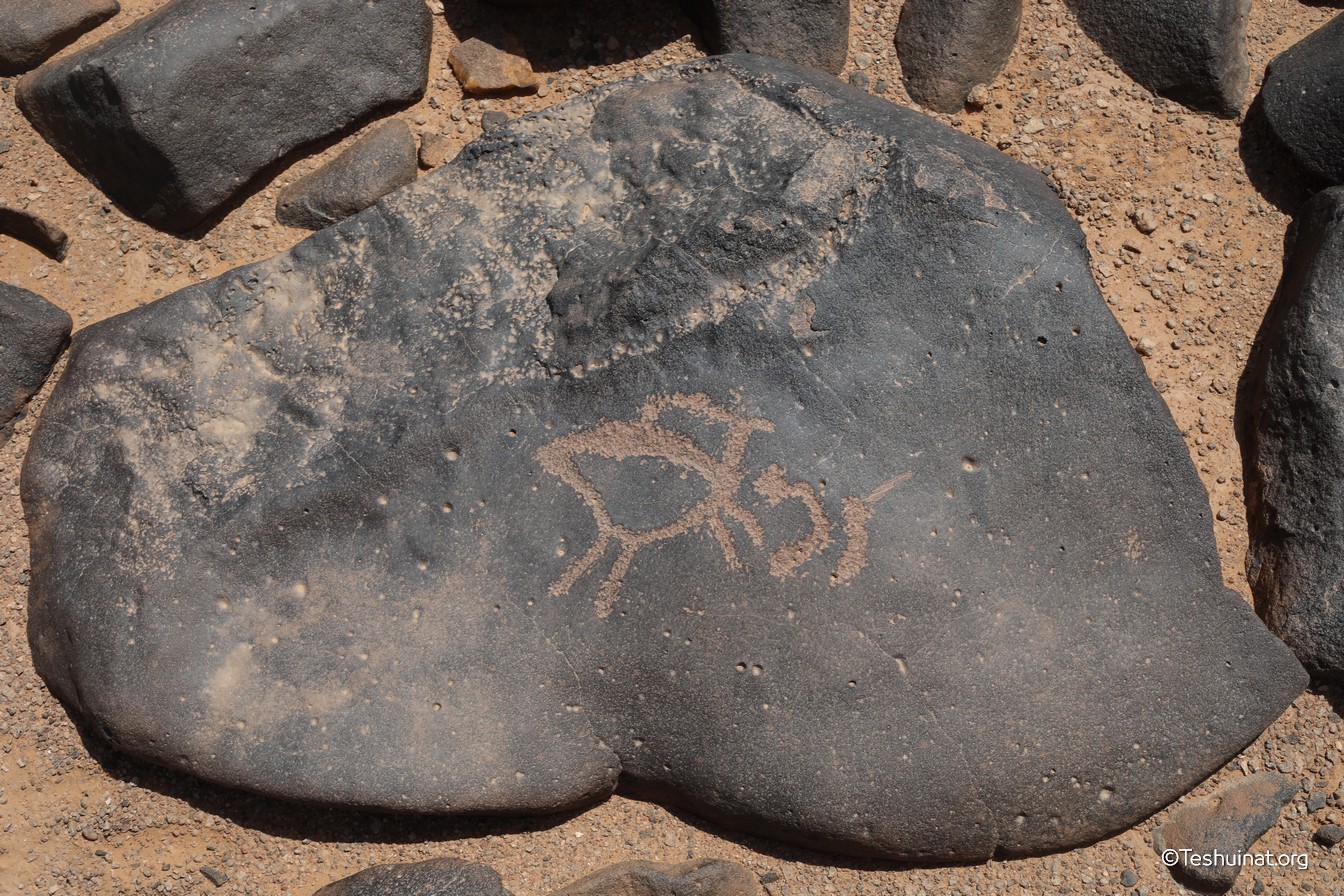
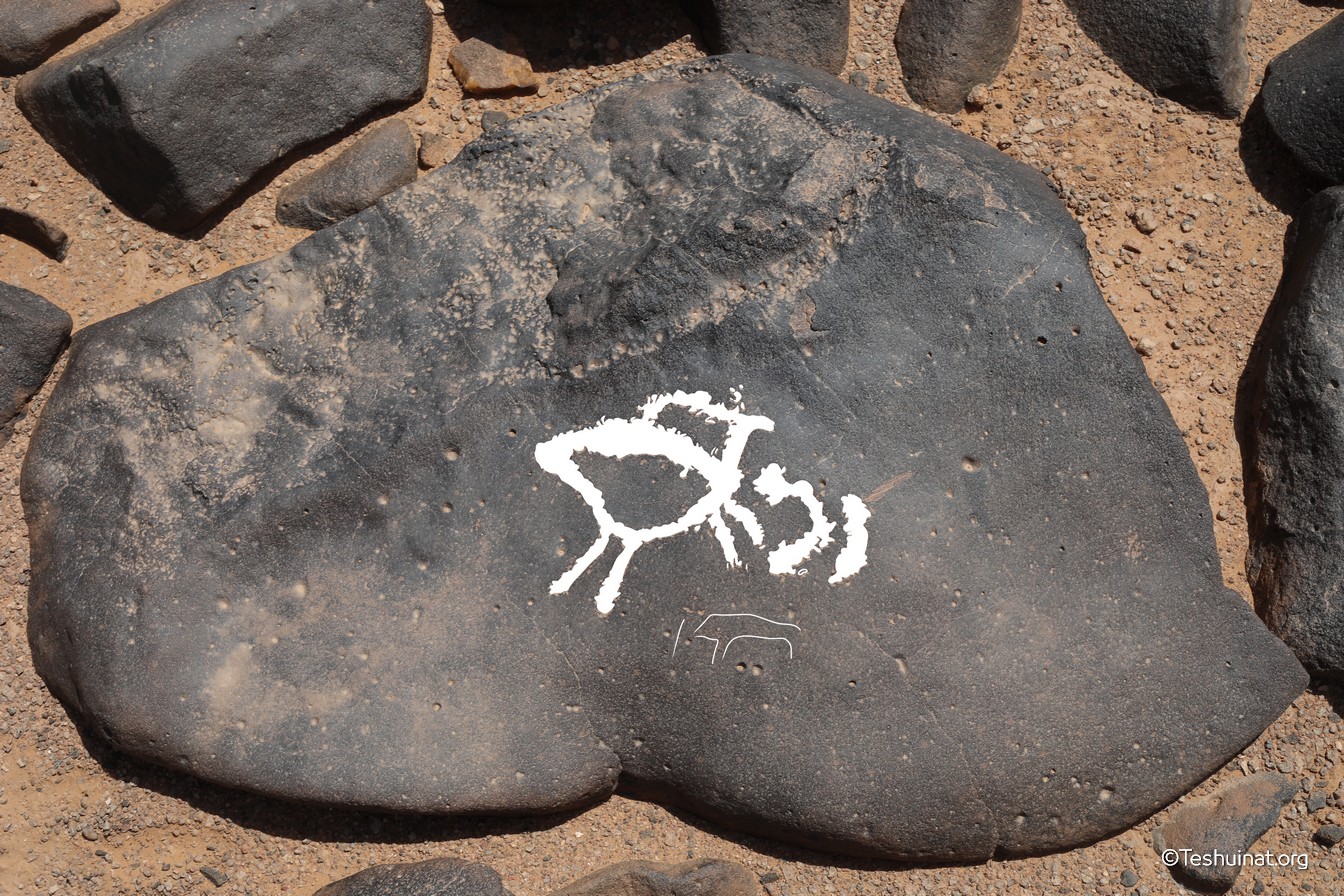
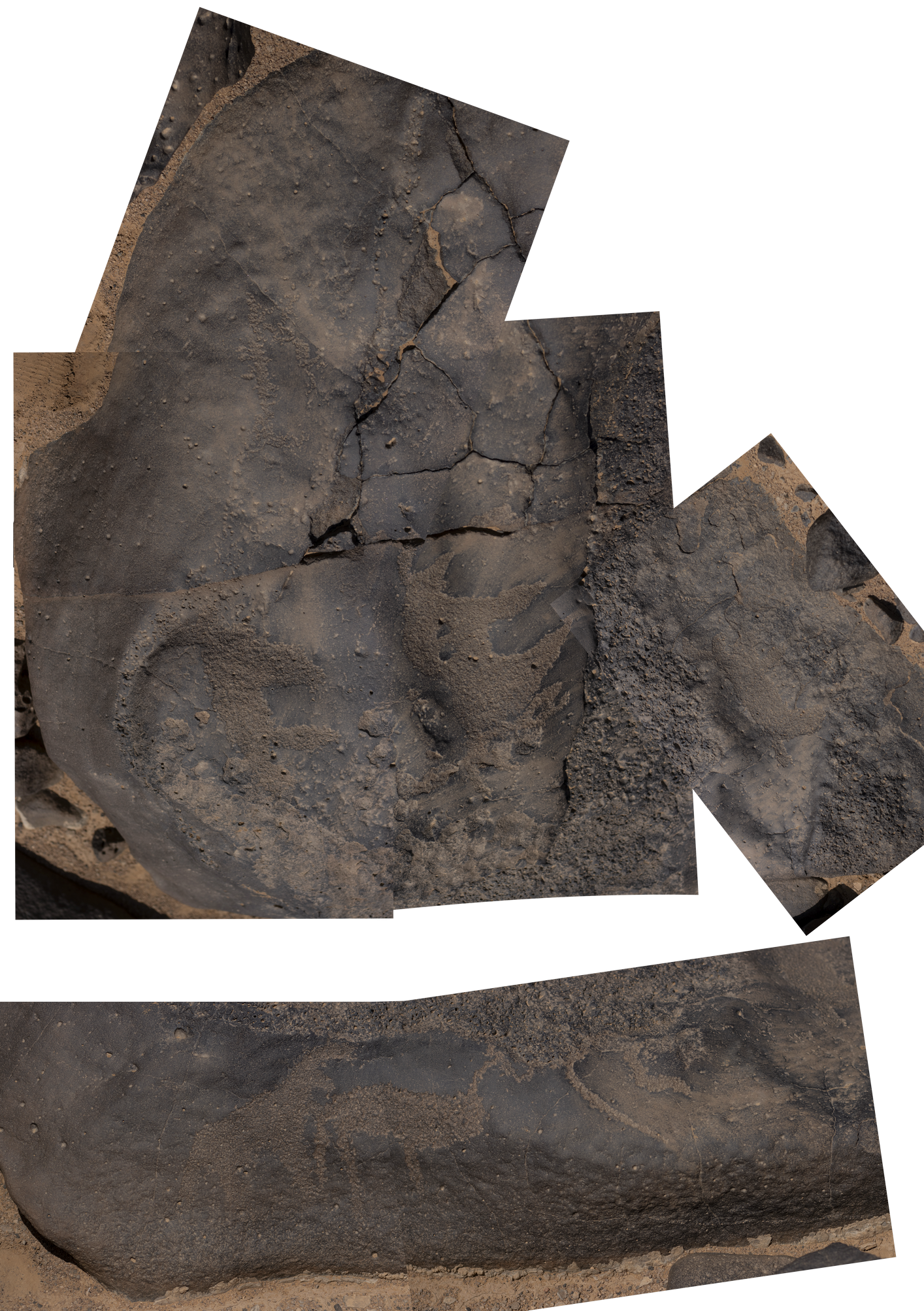
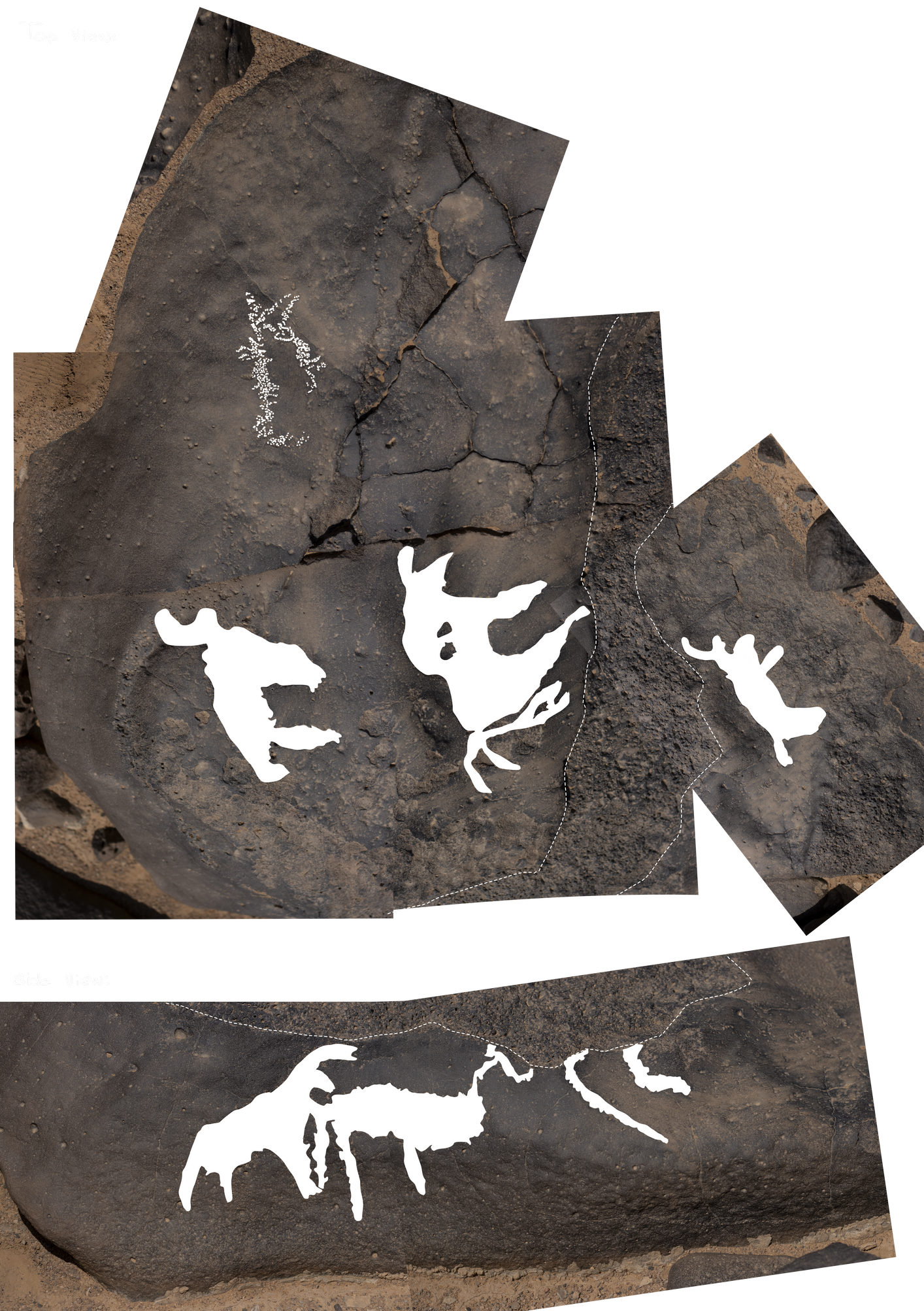


pictures of the site


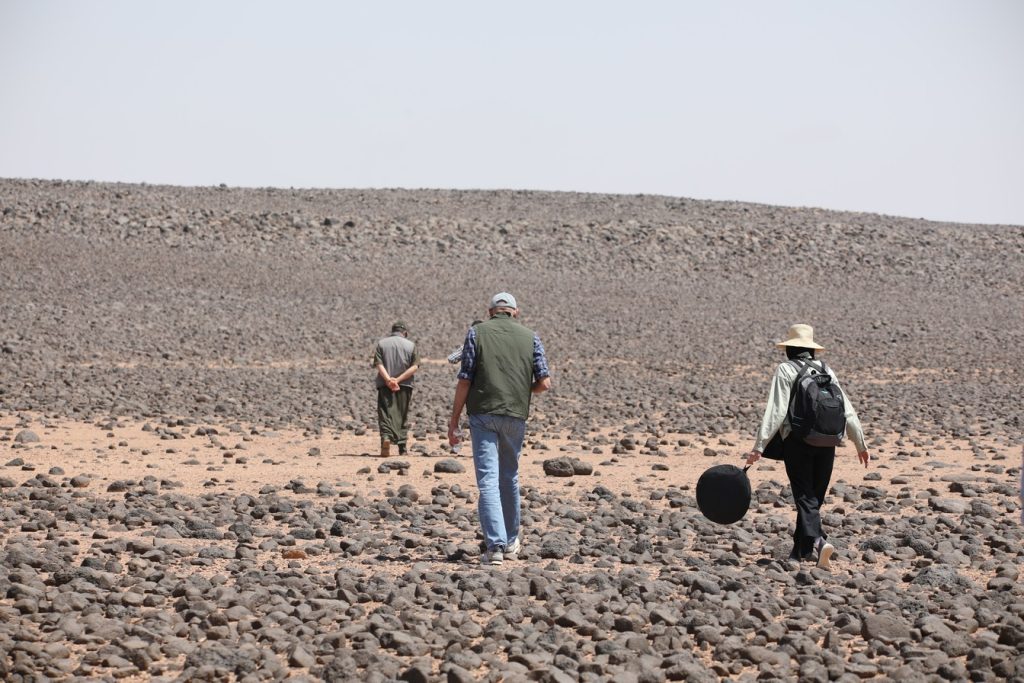
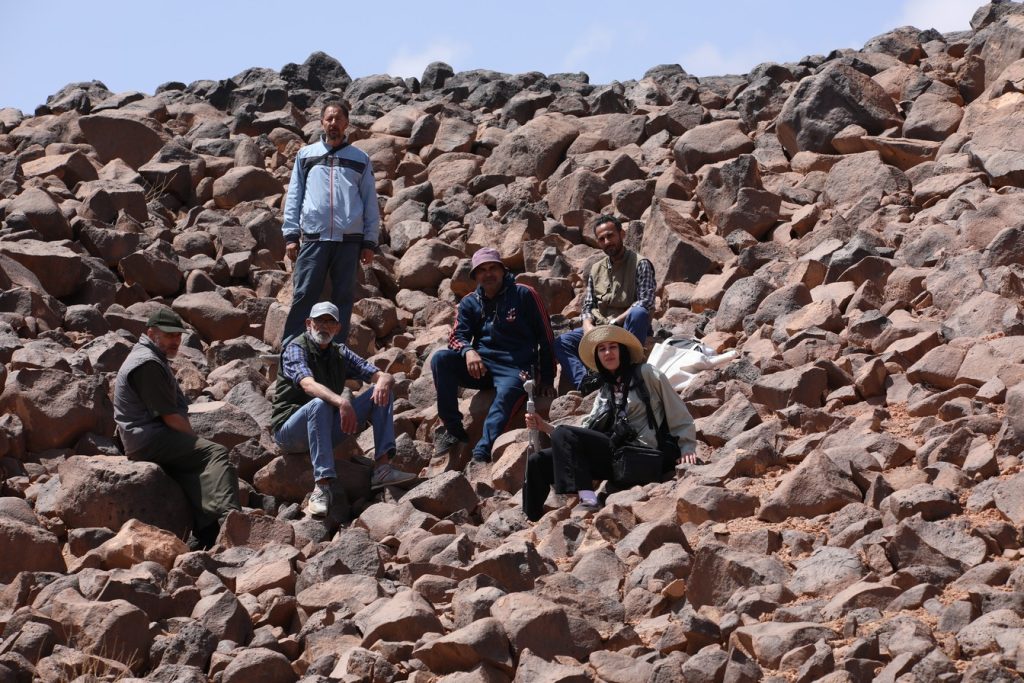


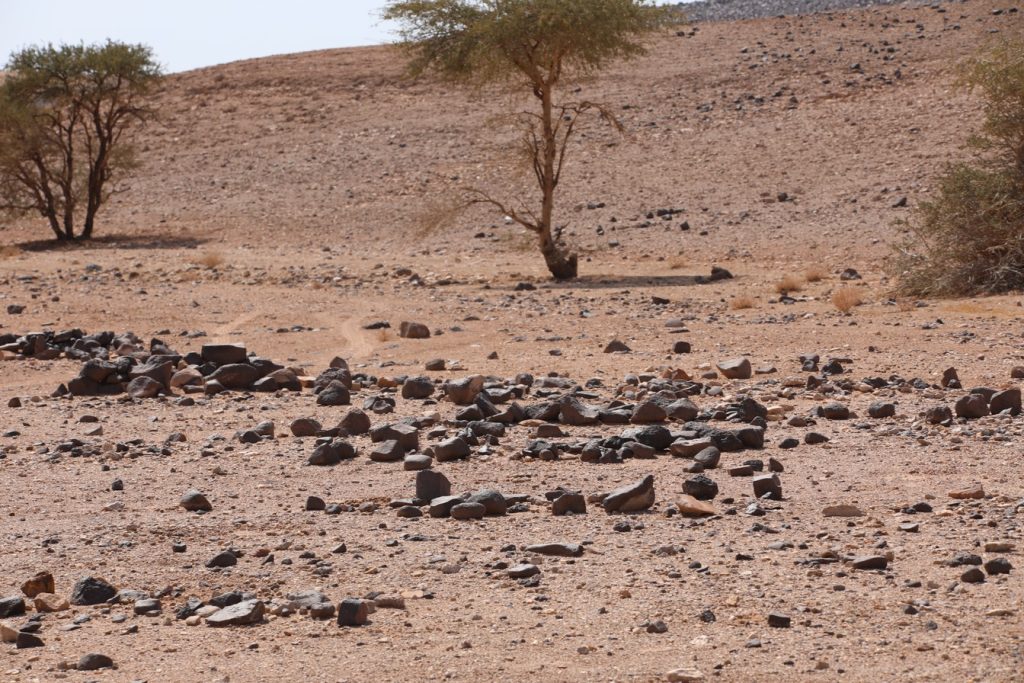
Wadi Tifdest is one of the valleys of the Black Mountains (Jabal al-Sawda’) , situated at its heart and originating from its center, extending for a distance of approximately 19 kilometers. The course of the valley initially flows northeast for about 12 kilometers, then turns northward after meeting the watercourse coming from the Busriha and Al-Sanafanat areas. These tributaries pour into Qarat al-Qubyan before merging with the main channel of Wadi Tifdast within a narrow passage heading north until reaching the Al-Sarrat area, after a distance of about 6 kilometers.
The mountains at the head of the valley appear relatively low, then gradually increase in height as the valley slopes northward, with mountain peaks in some places reaching up to approximately 450 meters. This forms the dark volcanic terrain that characterizes the range of the Black Mountains and its geomorphological nature.
In the valley, acacia and sarah trees grow, as well as jujube trees, similar to several other valleys in the region. It is also home to tamam, sha’al, and shibram plants, along with handhal (colocynth) and various seasonal grasses that appear depending on rainfall periods and changing climatic conditions.