
Wadi sultan
New uploads
As an ancient trace among black rocks that preserve beginnings, Wadi Sultan extends, sloping gently from the mountain foothills, as if the earth were whispering to itself as it takes shape. Flash floods pass through it fleetingly, leaving behind a life that hides in the soil. The acacia and jujube trees stand in long patience, knowing the rhythm of absence and return to an open memory where time does not die.
some of the rock art in sultan


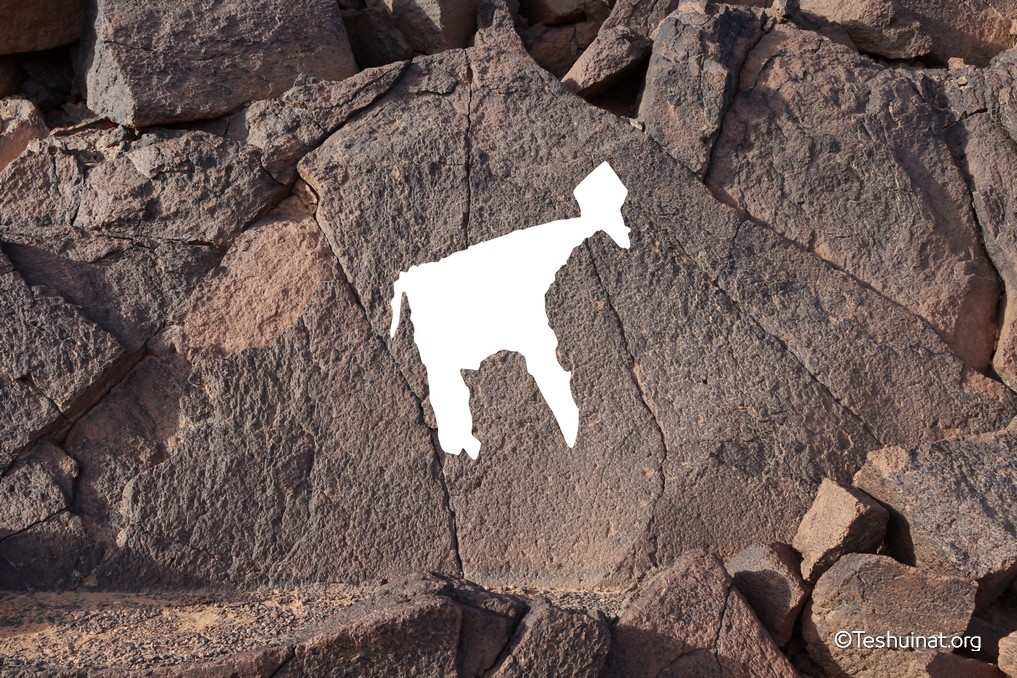


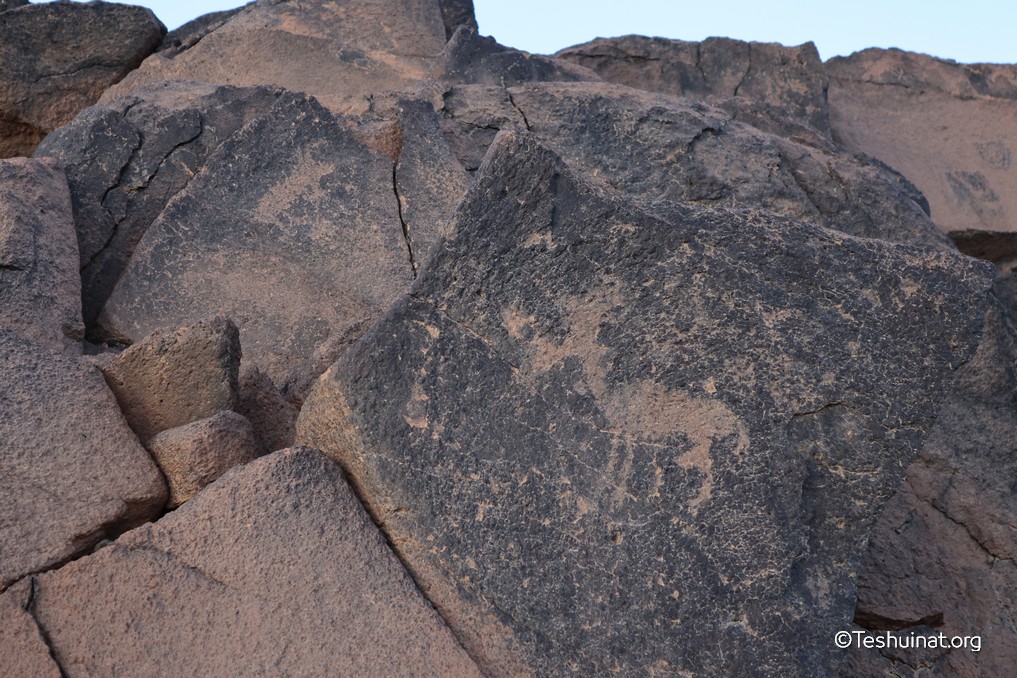
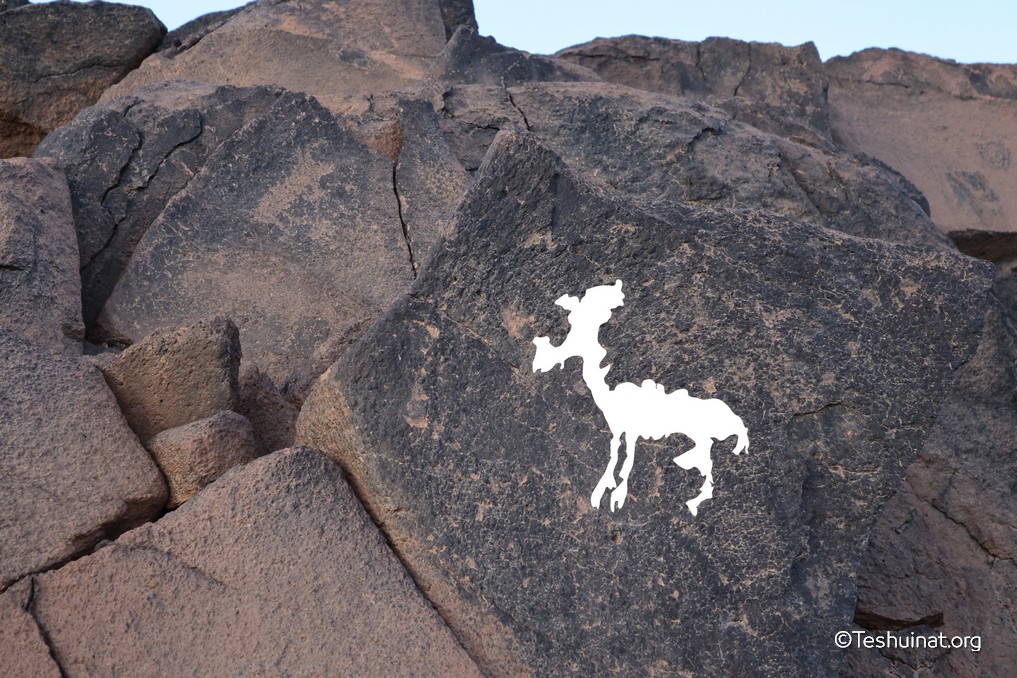
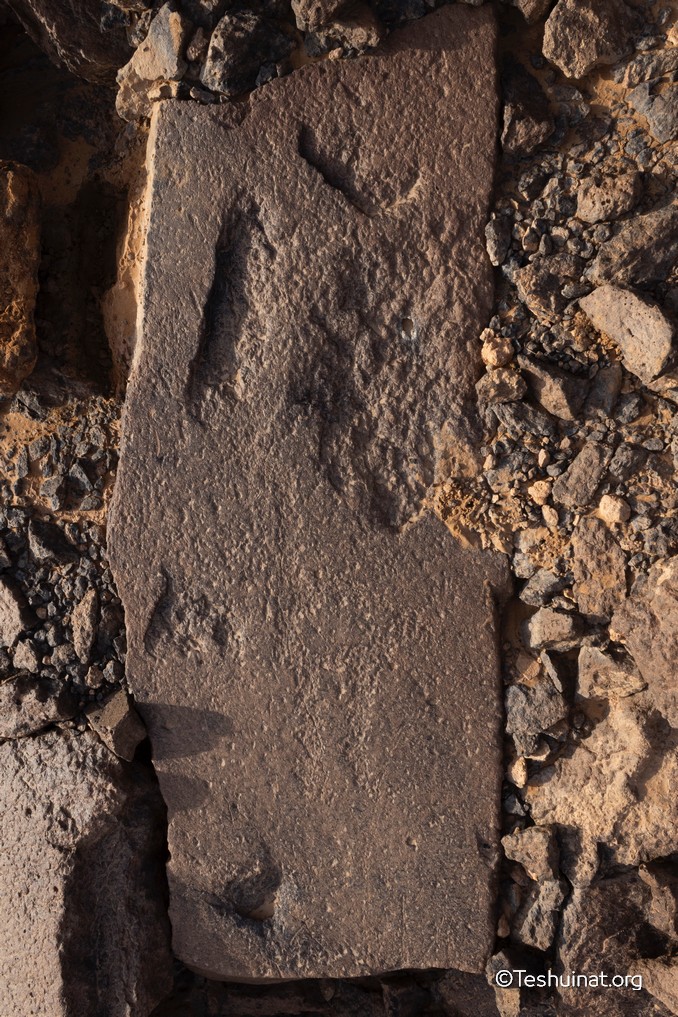


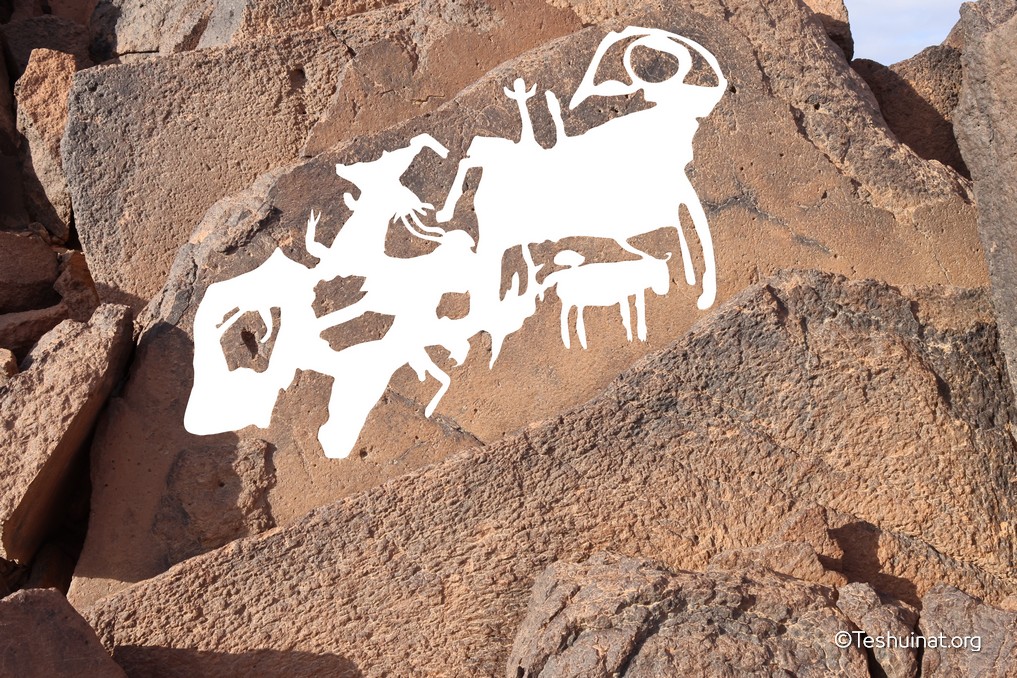


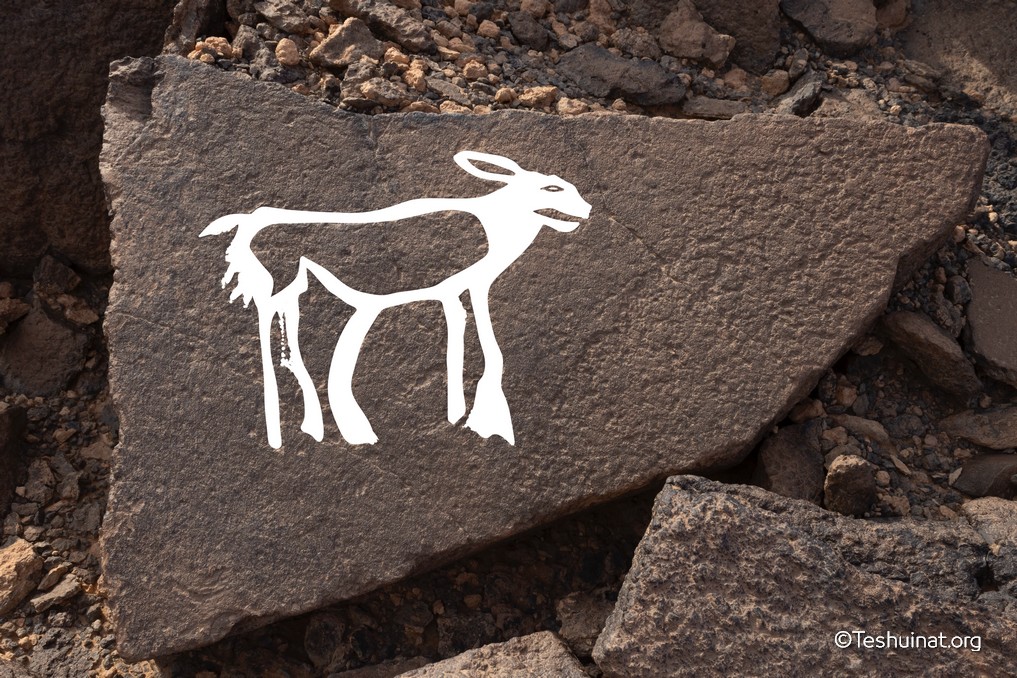


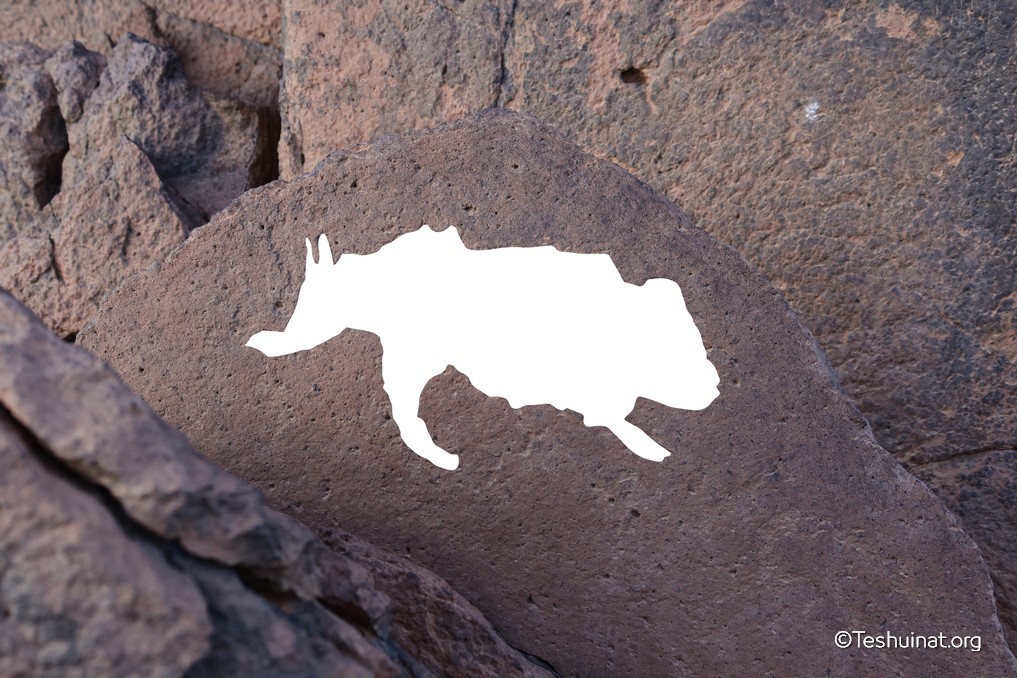

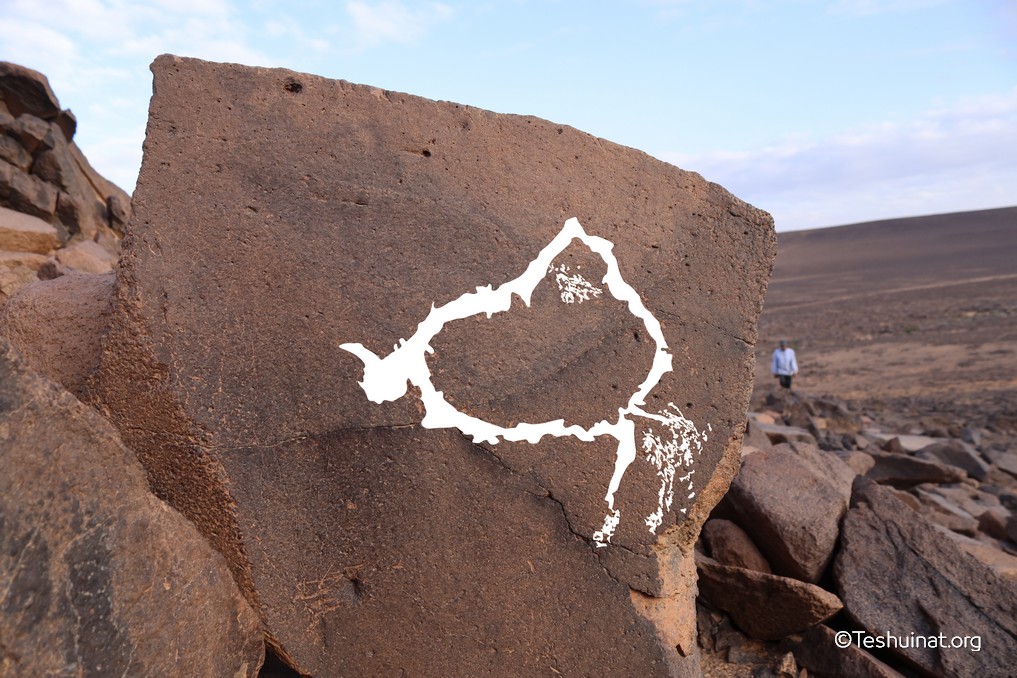
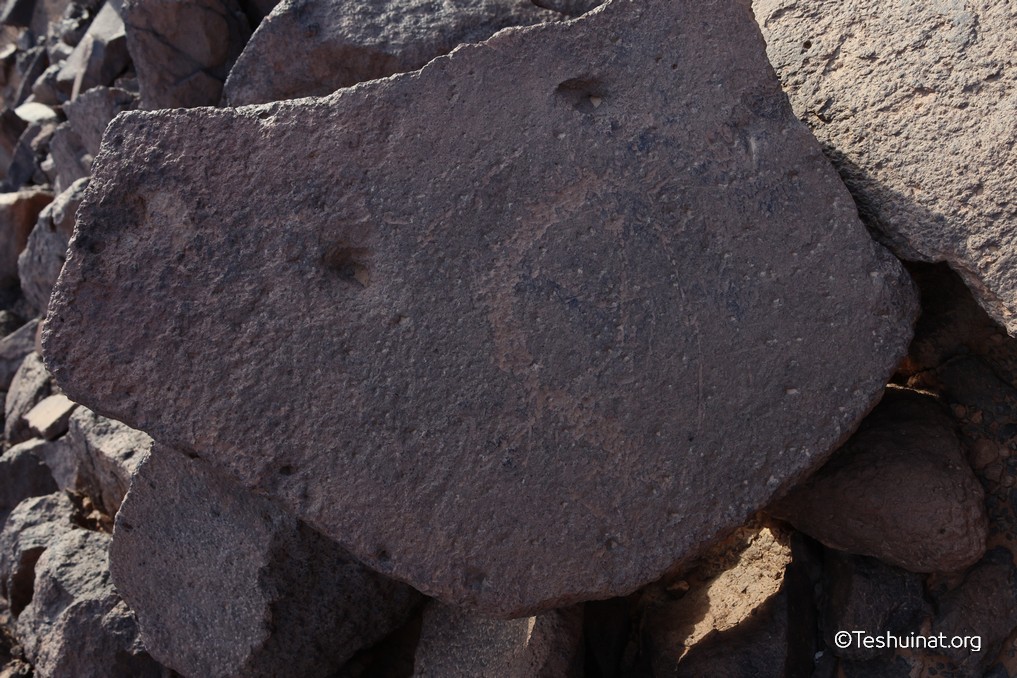


pictures of the site
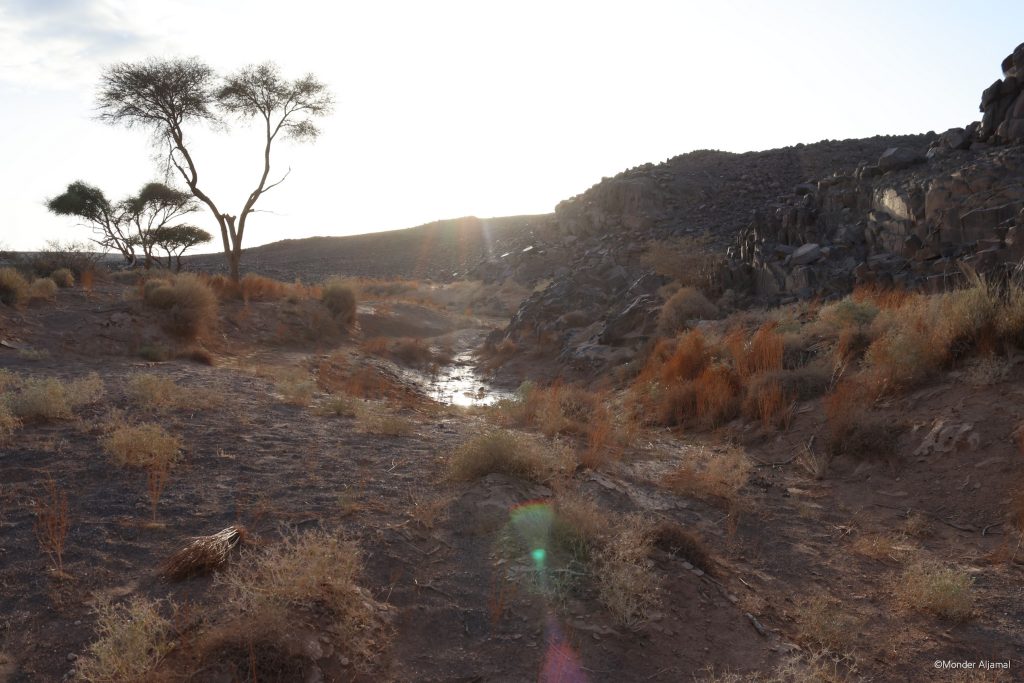

Located southwest of Suknah in the Al-Jufrah municipality, Wadi Sultan is a prominent geographical landmark, extending along a natural course to drain into the Al-Jufrah depression at an altitude of approximately 315 meters above sea level. The valley’s geography is distinguished by a vital dam designed to impede the flow of seasonal floodwaters descending from the mountain highlands. This type of dam is used to retain silt, create floodplains, increase soil fertility in the area behind the dam, and also prolong the time water remains behind the barrier, directly contributing to recharging the aquifer and supporting the palm groves surrounding the city of Suknah.
The valley basin is also characterized by rich soil where desert trees such as acacia and jujube, as well as Astipus grasses, grow. This makes it an important pastoral and historical area, as well as a natural park that combines rugged mountain terrain with fertile floodplains.