From some perspectives, the emergence of Pleistocene art and the creation of rock art were linked to global changes, such as subsistence strategies, migration, and social organization. From our perspective, however, the cause is linked to climate and climatic changes that transformed into a nightmare requiring supernatural power to control. […]
blog
35 posts
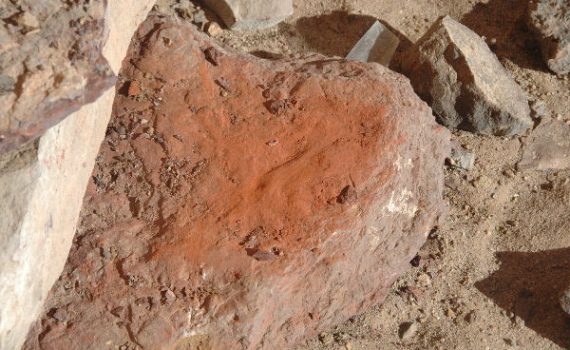
What is ochre? Ethnographically speaking, ochre is the most commonly used pigment in rock art. It is a general term applied to any iron-bearing soil, clay, or rock containing a sufficient amount of iron oxide or iron hydroxide. Ochre was first used in Africa and became part of the symbolic […]
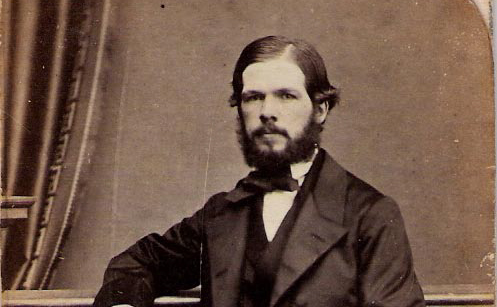
In the land of the tale traversed by his weary and dreaming steps, the ethnographer is perpetually fascinated by the promise of the traveler in the unknown lands beyond the distant mirage that shimmers in his eyes amidst the remote regions of thirst, where no water can save him except […]
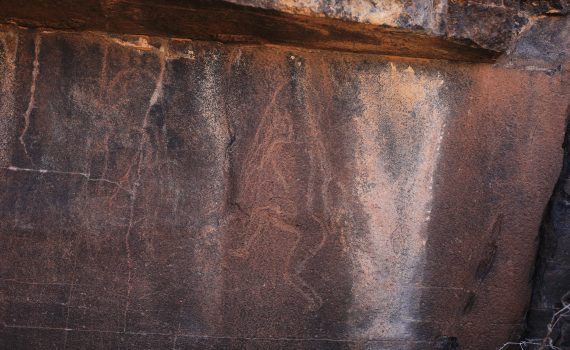
For Pliny the Elder, the elephant is a pampered animal. If you listen to it carefully, you discover that it loves elephants, and you feel that it once looked upon them standing under the grey moon, flapping their ears. Pliny would say to himself: This small furrow called Earth is […]
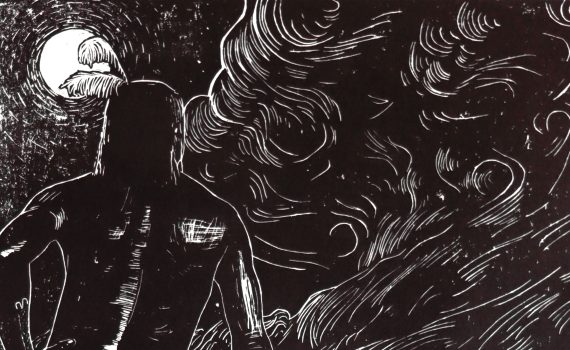
Introduction Journalist Stephen Schiff says, “At the heart of every good history, there is a small, cunning secret; it is good storytelling.” Good storytelling gives material warmth and embodiment, and the cunning lies in this tale having significance through which imagination acts as a mediator, protecting our memory from desiccation. […]
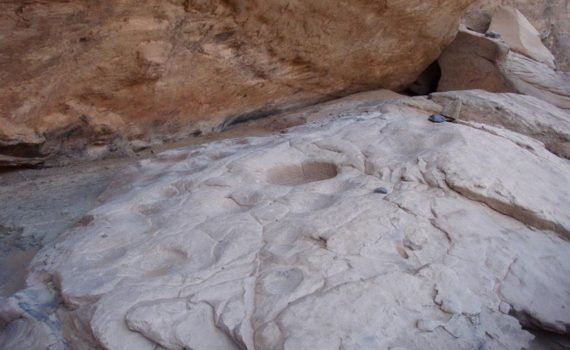
Archaeology has long searched—through the tunnel of eternity, with an almost unbearable bitterness—for a way out of the traditional understanding of the archaeological site. There is also a serious quest for a new narrative to replace the old one, which archaeologists have constructed from the material remains of the past. […]
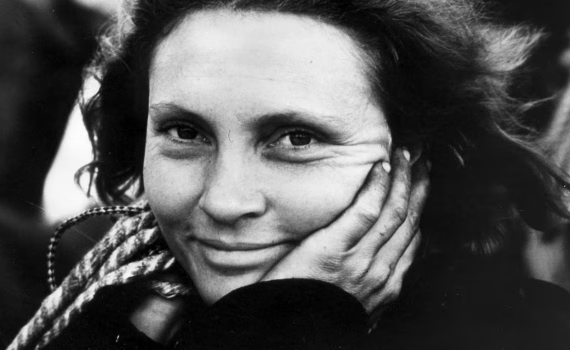
*”When people ask me why I decided to do it, I usually answer: Why not?” * The journey is nothing but this answer—the answer of free will and the inclination towards difference. What was distinctive about Robyn Davidson’s[2] experience was that she wanted to tell the land: I am your […]
For thousands of years, humans have drawn and engraved on rocks, on shelter walls, and in the open air. Despite some objections to naming these engravings and paintings “rock art,” we believe it is the only possible name. For a symbol is something that represents something else through association, resemblance, […]
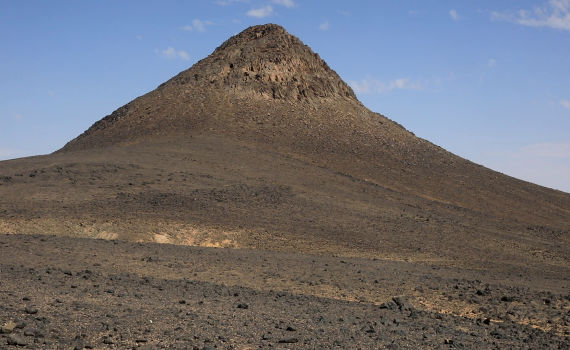
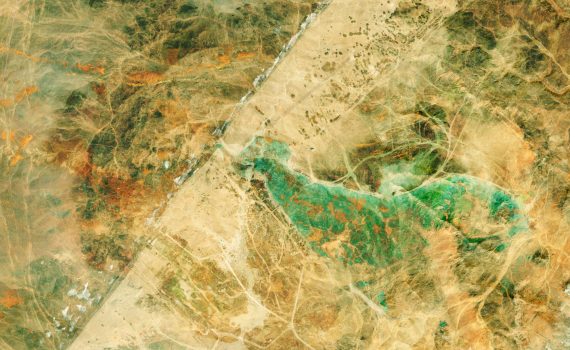
Al-Qalib is a referential location in this text and points to a real place. What I will do is strip the realism from this place, which appears before you as a beautiful body of the idea of silence. Al-Qalib sits calmly in the midst of a rocky basin as mysterious […]
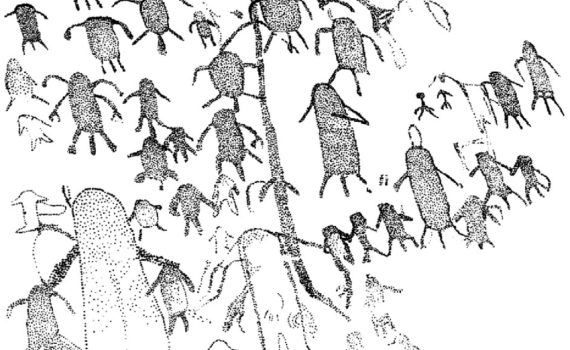
The Round-Heads are the most talked-about group in Saharan rock art, and no one knows precisely the extent of the excessive imagination associated with this group. Henri Lhote turned the Round-Heads group into a fog that covered the face of the world, and with his gentle voice, he presented a […]
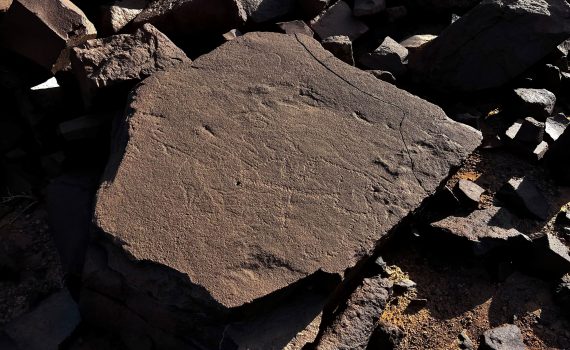
In a harsh landscape dominated by dormant volcanoes, the author reflects on the emotional weight of basalt stone while contemplating its characteristics through Petrarch's poetic lens. This journey becomes a metaphor for existential struggle, where the stone embodies pain and the challenges of the human experience amid the unforgiving environment.
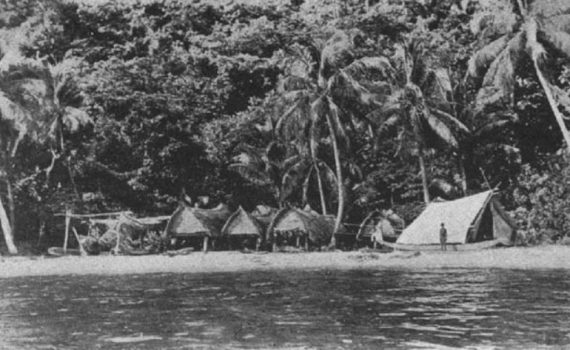
Ethnographer Gerald D. Berreman writes in his book Hindus of the Himalayas: “Living conditions in the village were primitive even by local standards, which led me to reject the idea of moving my family there permanently. Except for a period of about four months when I owned an unreliable jeep […]
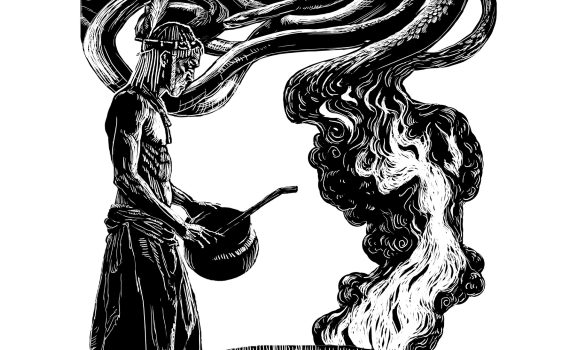
The text explores the interplay between myth, journey, and ethnography in understanding Libyan identity, highlighting Herodotus's historical observations and their influence on literary narratives. It emphasizes the transformation of myth through personal experiences, particularly in Mohamed Abdullah Altrhouni's novel, where characters foster their cultural identities through storytelling and reflection on their landscapes and histories.
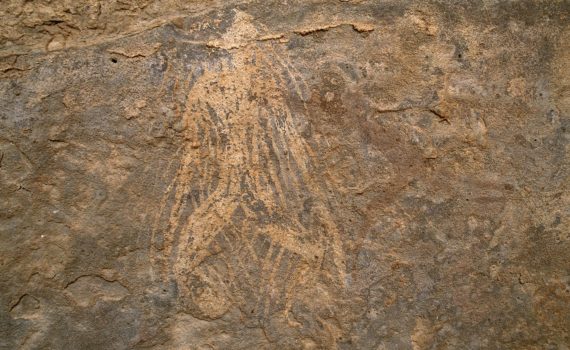
In an article titled “Mankhwala, The Rainmaker”, the author, Paul J. Bann, states: “Mankhwala, whose name literally means ‘Mother of Children’ and, in essence, ‘Mother of All People’, was one of the most powerful rainmakers in Central Africa. Mankhwala presided over a rain shrine with influence extending over most of […]
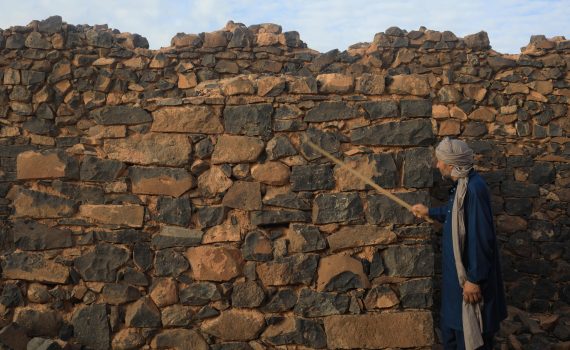
At night, meaning draws closer to revelation before the long dialogue of day. Words in the darkness of Wadi Tajent grow colder, and emotion is less painful in fleeting glances that rest without alighting on anything—Is it true: “When man could no longer contemplate, did he begin to think?”1 Amidst […]
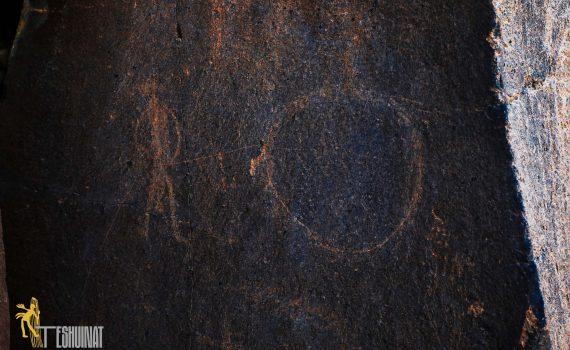
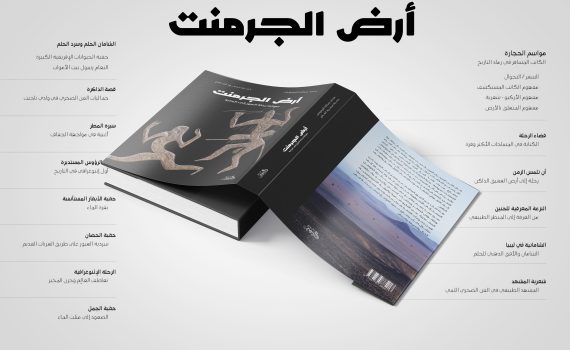
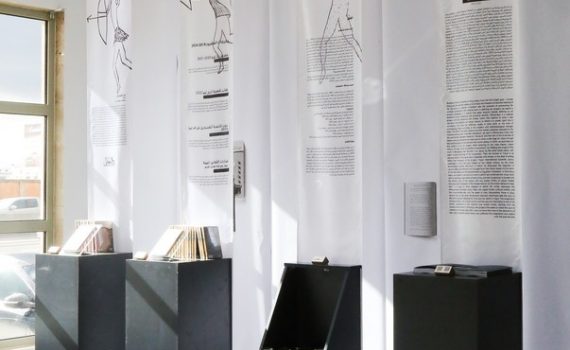
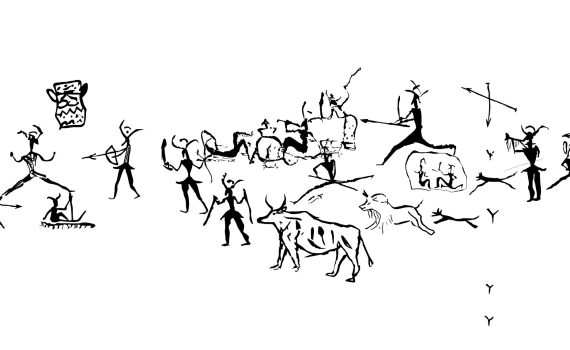
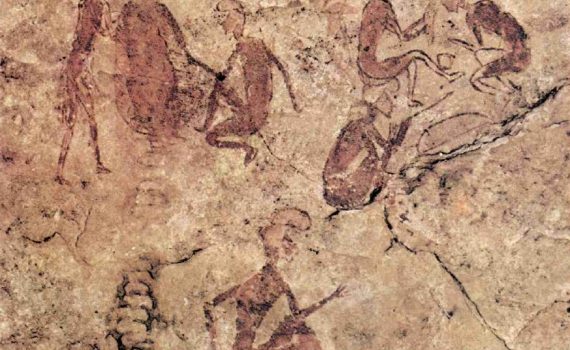
Fashion is a cultural commodity and a social life. All commodities are cultural, but fashion presents an autobiography of societies. Fashion moves the world, and this is a truth that must be acknowledged. Fashion is sometimes antagonistic when it does not serve the goals of the world system, hence there […]
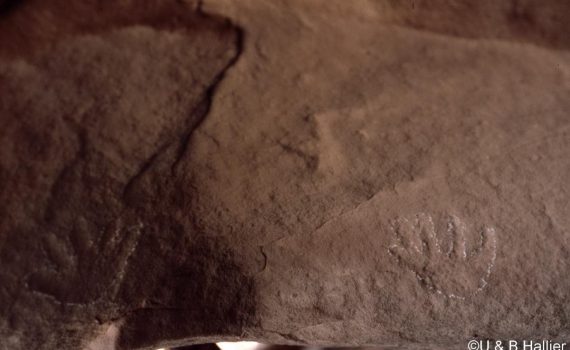
In the southern Sierra Nevada region of the United States, a statement from an informant of the Western Mono tribe explained: “The healers, bohag… would draw their souls (anet) on the rocks to show themselves, to allow people to see what they had done. Among the Cosho Shoshone tribe and […]
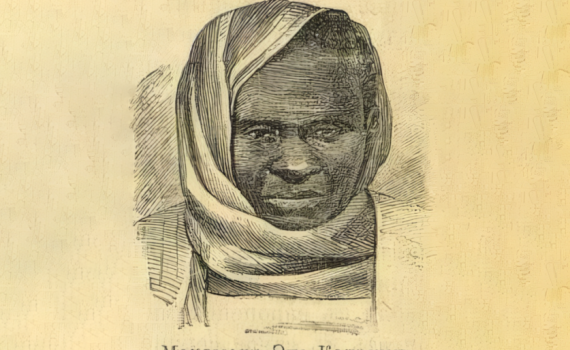
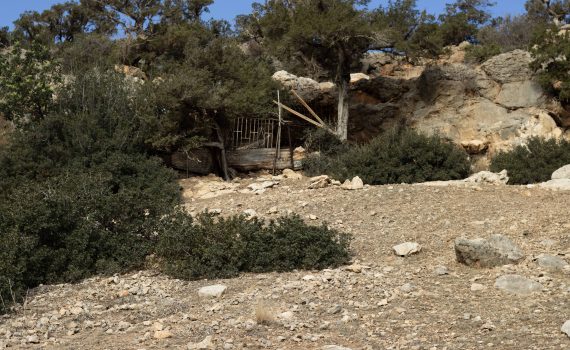
The earth – this forgotten pocket in the coat of our daily lives. We are perpetually on the verge of transition, from home to street, from street to office, from office to café, as if all these daily transitions don’t occur on the earth, but only in our imagination, as […]
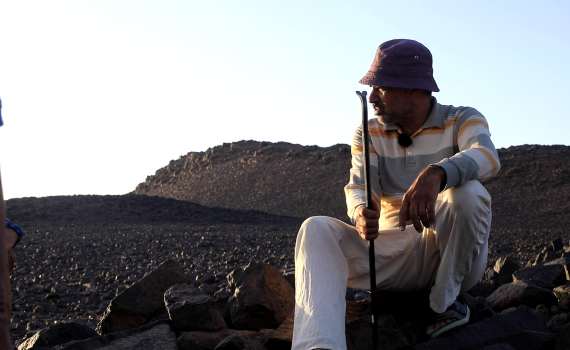
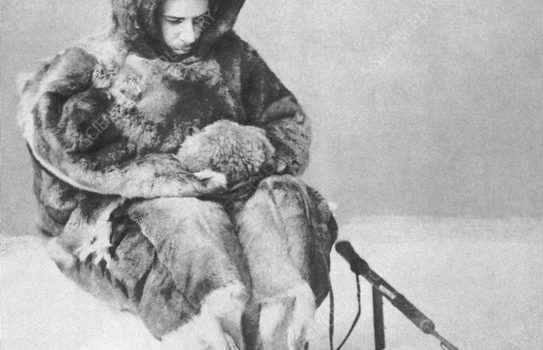
What Remains for the Ethnographer? In all our childhoods, an attachment to comic magazines featuring superheroes was pivotal for opening channels of imagination and adventure. It wasn’t just flying, or bending and breaking steel gates, or lifting heavy trucks that were the most prominent traits of these characters’ powers. These […]
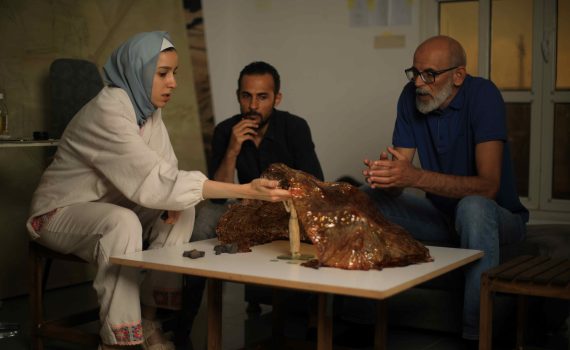
When I was a university student, anthropology did not promise me much, or at least I did not consider it as a major alongside my sociology degree, due to its absence from Libyan universities. There was only a general introduction and some summaries that I would not move from their […]
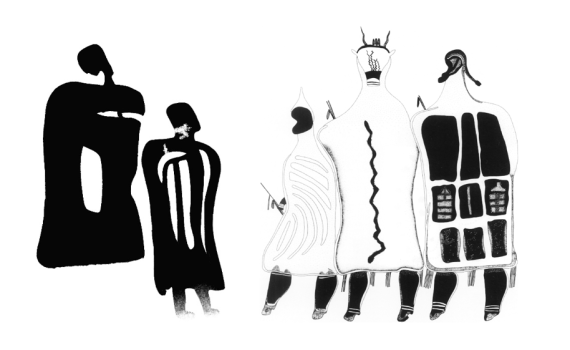
**Some Similarities Between Rock Art in Libya and South Africa** Researchers have a sense that there is a connection between rock art murals everywhere in the world. However, these similarities found in rock art, which support the hypothesis of a universal connection, do not present themselves easily. Some scholars believe […]
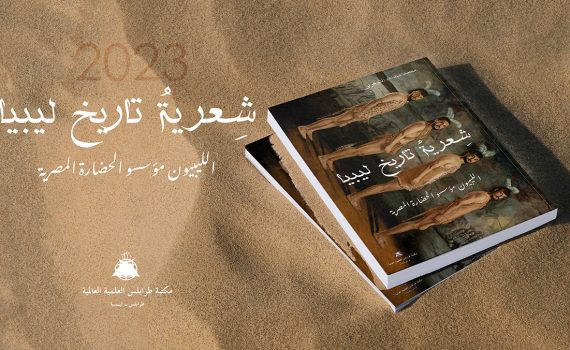
Book: The Poetics of Libyan History Libyans: The Founders of Egyptian Civilization The book The Poetics of Libyan History is not merely a work that addresses Libyan history; rather, it constitutes a foundational source for our research project and a profound, interdisciplinary study on the influence of Libyan culture and […]
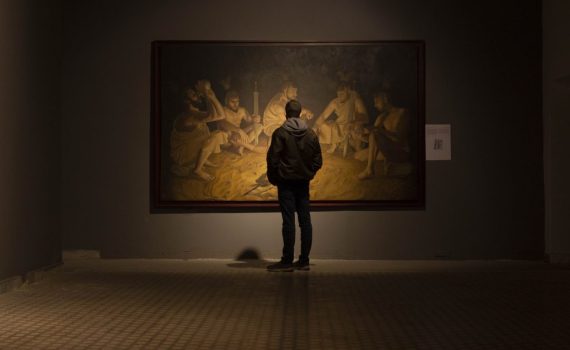
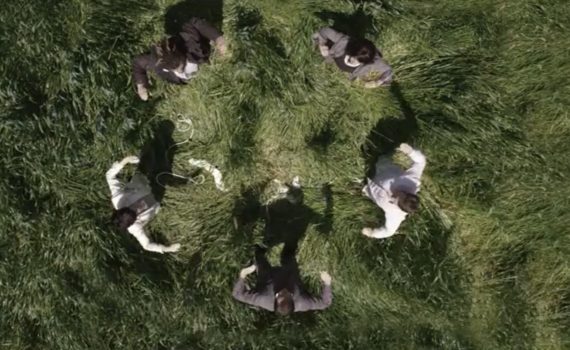
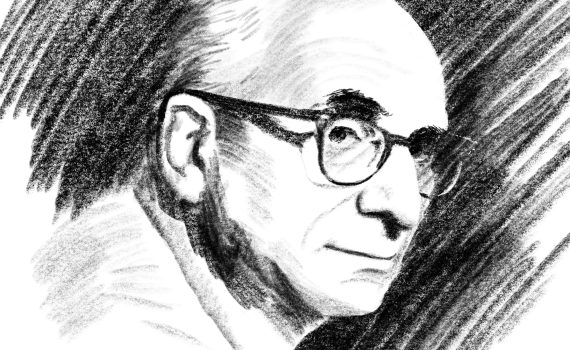
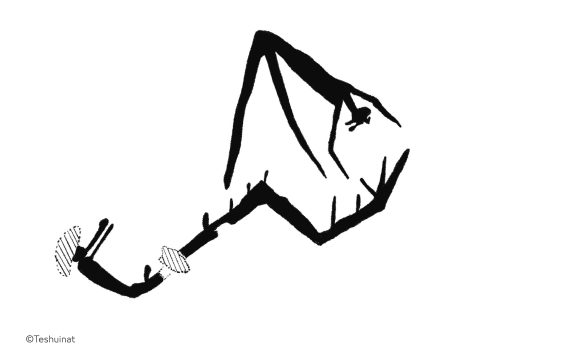
1 In the early 1850s, the priest Avvakum was making his way to the land of the Evenki reindeer herders. As he walked, feeling the cold air fill his lungs, he climbed a small hill. The words of the Patriarch of the Russian Orthodox Church, exiling him to the heart […]

Why must we re-examine the nature of history today? This question posits the poetics of return to the past as a realm open to narratives that transcend the linearity of events leading us to a closed cabinet of facts—those facts that resist the superposition and intermingling of humanities to achieve perceptions more […]