The Shaman and the Crossing to the Other Side of the Dream
Article: shamanisim, Mohammed Abdallah altrhuni
For thousands of years, humans have drawn and engraved on rocks, on shelter walls, and in the open air. Despite some objections to naming these engravings and paintings “rock art,” we believe it is the only possible name. For a symbol is something that represents something else through association, resemblance, or convention—especially if it is a visible object used to represent something invisible. This applies to all forms of art, from rock art to the present day. Although many archaeologists entered the field of rock art research, its acceptance was slow in Europe, America, and the rest of the world. It was not regarded as a respected sub-discipline until a few archaeologists, amateurs, writer-explorers, and land-attached individuals dedicated immense effort and devotion to its promotion. African rock art, in particular, has suffered forms of theft and epistemic violation more than anywhere else. During the colonial period, all possible portable art was transported to European museums. After colonialism, expeditions arrived with their Western culture, projecting it onto rock art murals. There were private exhibitions in Paris and elsewhere of African rock art, of which its creators knew nothing. These murals were viewed as artistic paintings unrelated to the identity of their owners. There have been ridiculous interpretations of African rock art (Martians), heartbreaking ones (the Libyan Apollo), and sometimes catastrophic ones—some on racial grounds, most on a superstructure excessively arrogant in its vanity. The situation in Libya was no better than elsewhere in Africa. Much portable art was stolen, and rock art suffered the same errors and marginalization in favor of rock art from other sites. Therefore, we must reconsider everything related to rock art in our country with a local vision before a global one. Most importantly, we must halt the deterioration of rock art caused by natural factors and human actions—natural factors such as erosion, weathering, wind, dust, and rain.
Muzzolini objected to the presence of shamanism in Saharan rock art, stating:
“Even if this theory is proven valid for South African art, we must note that concerning Saharan art, we possess neither texts nor ethnographic descriptions allowing us to claim that the rock art was shamanic… One can, as in all artistic assemblages, find certain elementary forms such as grids, zigzags, interlocking circles, etc., but concluding they represent shamanic entoptics requires more convincing evidence than mere comparison with Bushman motifs.”[1]
Despite this objection to the existence of Saharan shamanism, Muzzolini offered no explanation for the presence of elementary forms such as grids, zigzags, and interlocking circles, nor did he tell us why he rejects comparison, even though the definition of this methodology states: comparison is a research and scientific tool used to study two or more phenomena by analyzing the similarities and differences between them, aiming to reveal relationships among phenomena. Muzzolini had previously denied the existence of the Round Heads in the Acacus and was wrong; he denied the existence of Saharan shamanism, and in this, too, he is wrong. Muzzolini ignored the context of the murals and the facts he disregarded. Meanwhile, François Soleilhavoup states:
“Methodologically, the shamanic model for Saharan rock art, during certain periods, as in other regions of Africa and the world—a model long questioned and rejected by some Westerners due to Cartesian scientific rationalism—may constitute an explanation for the inexplicable in rock art.”[^2]
Soleilhavoup adds:
“Through rock art, an expression of fundamental beliefs and conceptual frameworks similar or related to those reflecting the shamanic system can be found. These convergences can be observed in at least three areas: the places where rock art was engraved, which can be described as shamanic landscapes. The morphology of rock formations, considered by those who use them as entrances to the spirit world or places from which spirits emerge, must be understood within the framework of shamanic symbolism. These places are favorable for the pursuit of visions.”[2]
Soleilhavoup views shamanism as universal in time and space; shamanic motifs can be observed everywhere in the world, and there are engravings that are only explained by reference to the shamanic system. The reading of African rock art was linked to individuals between whom and this art existed a cultural gap; they ignored its cultural context and imposed upon it an external context. It was terrifying for them that the African primitive had thought of other worlds and undertaken journeys to them—an idea that later became European and is extolled by proponents of the third and fourth dimensions in books and cinema. African art had previously encountered proponents of excessively rigid and rock-like rationality. For this reason, we coined the concept of archaeo-poetics, which does not neglect scientific rigor but knows its way to imagination, dream, and visions. Without this methodology, how can one interpret a painting such as this one (Figure 1) from Raharmellen in the Acacus—Libya?
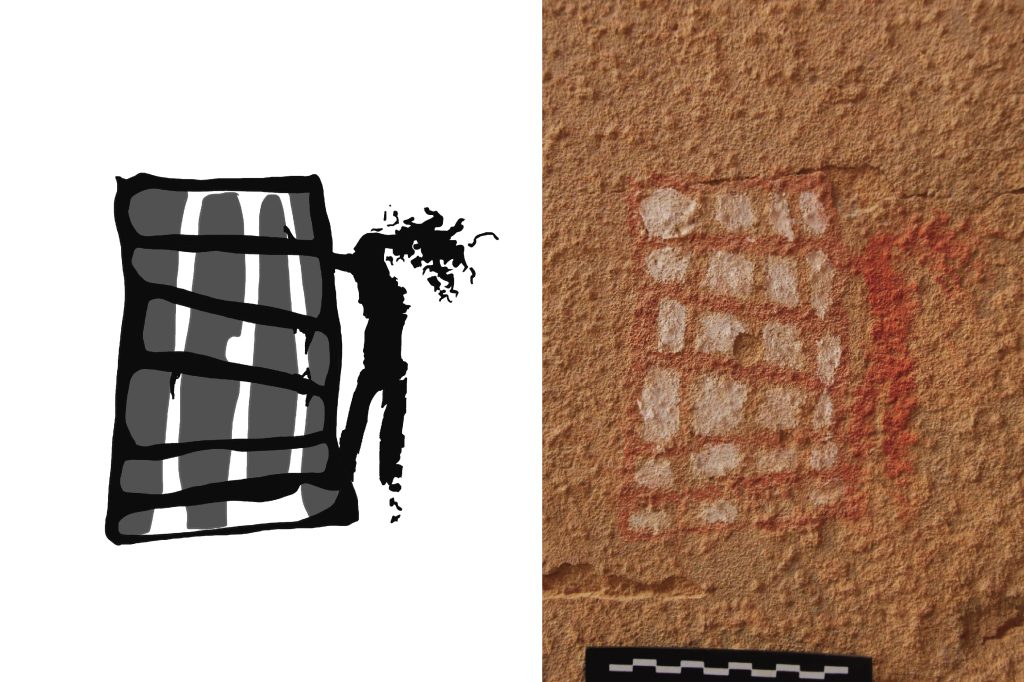
figure 1 – Raharmellen Acacus. Drawing by shefa salem
This grid before us, in the shamanic concept, is a bridge of energy between the material world and the spiritual world, and a gateway for spirits that go to and return from the spiritual world. Anthropologists define shamans as religious practitioners who interact directly with the spirit world through a form of altered consciousness. The shaman undertakes a journey to visit the spirit world to obtain benefits for their clan from beings with supernatural power. These beings assist in healing the sick, bringing rain, and more. During trance and upon reaching an altered state of consciousness, the shaman leaves their body and travels to another dimension—this is called the shamanic journey or out-of-body travel. The grid, when the shaman feels they are in the water hole, transforms into a tunnel that takes them to another dimension where supernatural beings reside. Perhaps, in the shaman’s state, the grid transforms into waves that propel the shaman out of the blue tunnel. At the end of the journey—which is also the end of the trance—the shaman falls as if dead, and within their body, the transaction with the supernatural power is completed, and they obtain what they desire.
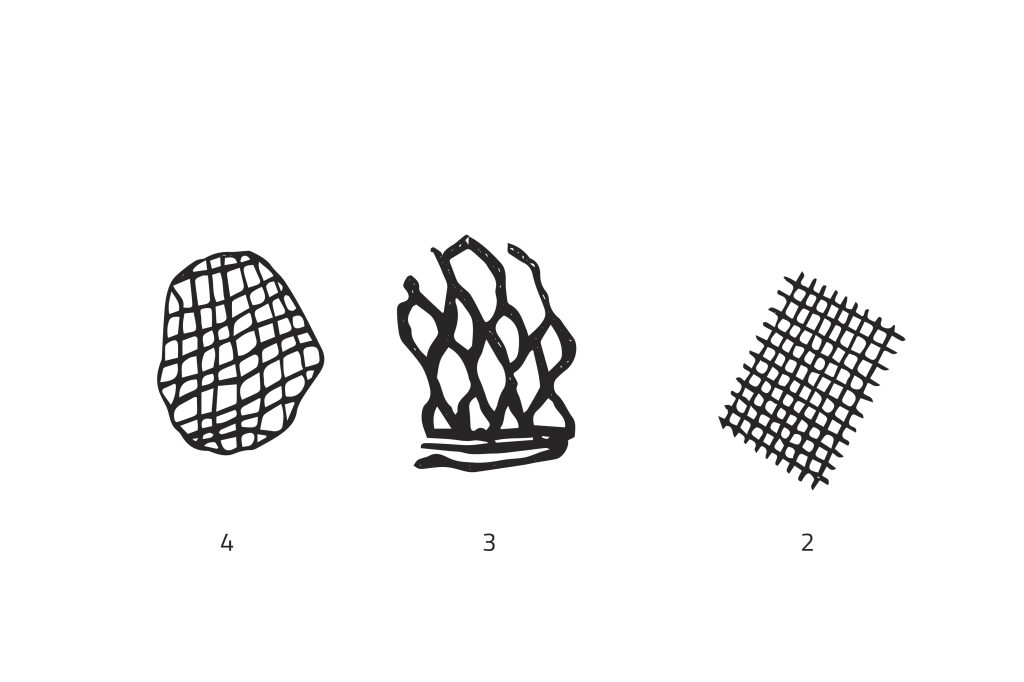
figure 2-3-4
There are many forms of grids similar to (Figures 2, 3, 4). Sometimes the shaman’s body itself is the grid, as in (Figures 5, 6, 7); other times, they are in a state of entering or exiting the grid, as in (Figures 8, 9, 10). What concerns me here is (Figure 10, from Mount Bego – France), which shows the shaman in a state of entering or exiting the grid. In (Figure 1, from Raharmellen – Acacus), the shaman’s connection to a great energy is clearly visible; he almost transforms with it into particles drifting apart, giving us a blurred image of the shaman’s body, as if the shaman’s body becomes minuscule dots while passing through the grid to reach the end of the tunnel. In the Mount Bego mural, we see that the shaman’s body has passed through a great energy, transforming his body into a thin thread through which a current of energy flows. This energy passes around his head and extends to his hand, covering his entire body. This is what happens during trance and his entry into grid-like forms that take him to another dimension. If we could visualize this grid today, we would see it as a grid-like ripple ending in a tunnel (Figure 11). In another mural from Val Camonica, dating back 8,000 years before present, we find the grid and beside it the shaman in the same posture as Rhmalin, with energy surrounding the shaman’s body (Figure 12). I do not understand how the murals of Bego and Camonica can be regarded as shamanic, while the Rhmalin mural cannot be discussed from a shamanic perspective. Denying the existence of shamanism in the Great Sahara is a denial of a universal phenomenon. The interpretation of these paintings without recourse to the shamanic approach has done great harm to Saharan rock art. How can the Rhmalin mural be interpreted without returning to the shamanic perspective and the poetics of interpretation? What happened is that explorers in the Sahara avoided these murals due to their inability to interpret them, contenting themselves with describing them. And if they were interpreted at all, it was only within the framework of Martians, divers, the Libyan Apollo, and the White Lady.
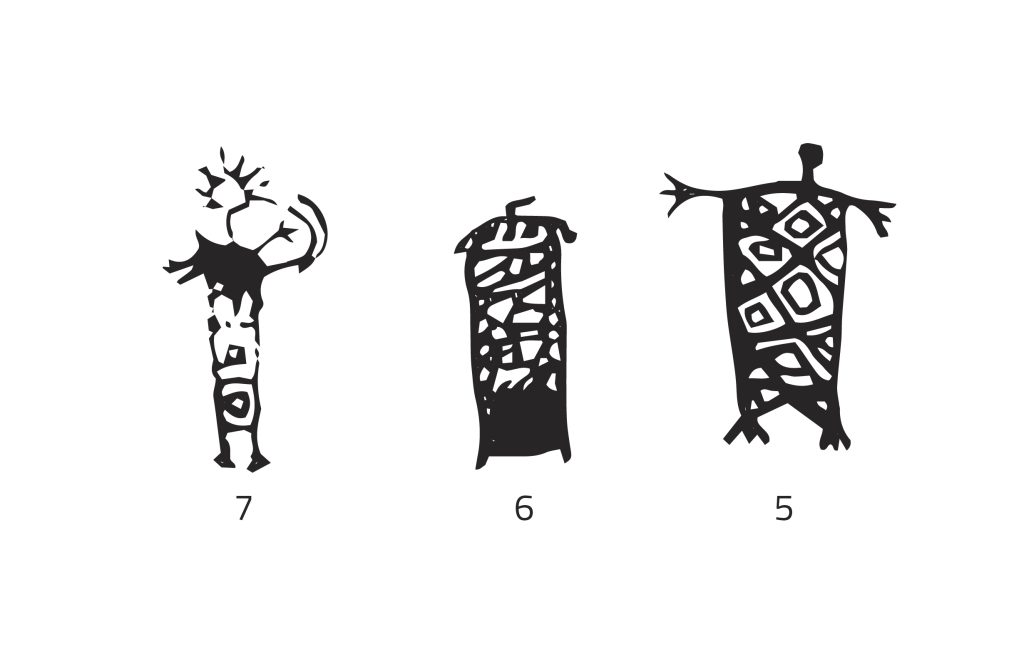
figur 5-6-7
[1]: SHAMANS AND MARTIANS: THE SAME STRUGGLE – Jean-Loïc Le Quellec – Edited by Henri-Paul Francfort and Roberte N. Hamayon – 2001 – p. 145.
[2]: Images chamaniques dans l’art rupestre du Sahara – SOLEILHAVOUP, François – *Anthropologie* XXXVI (3): 201-224.
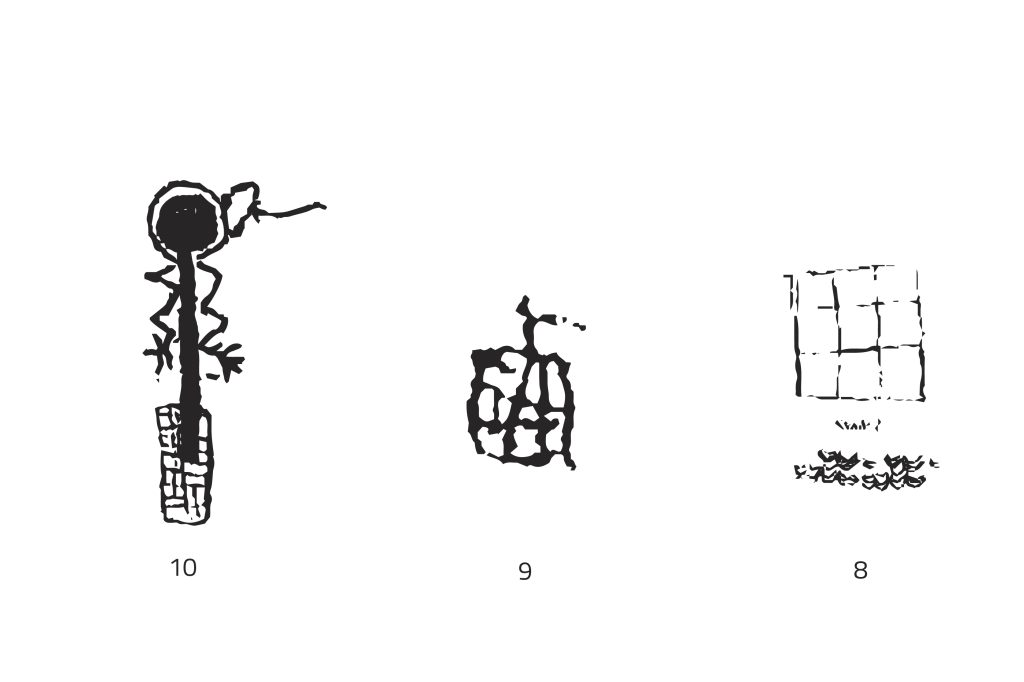
figure 8-9-10
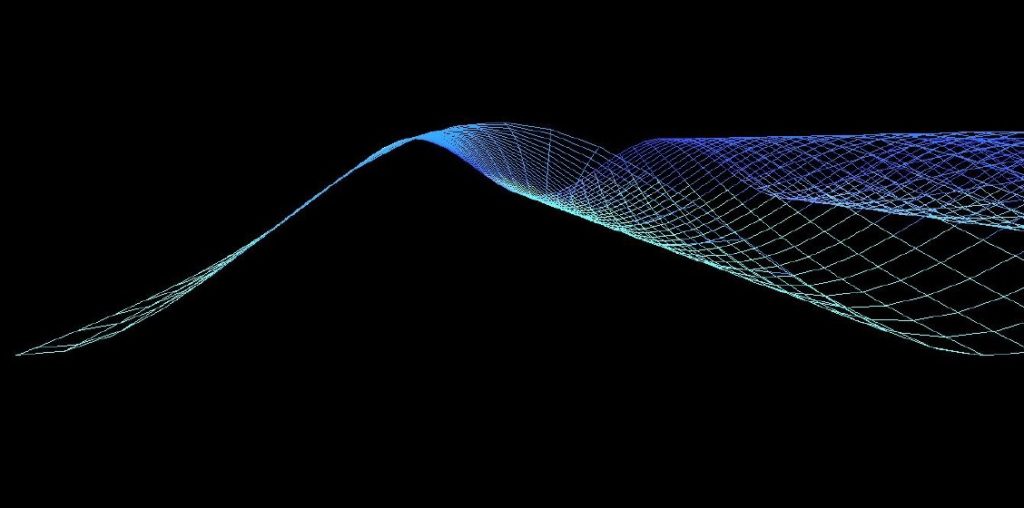
figure 11
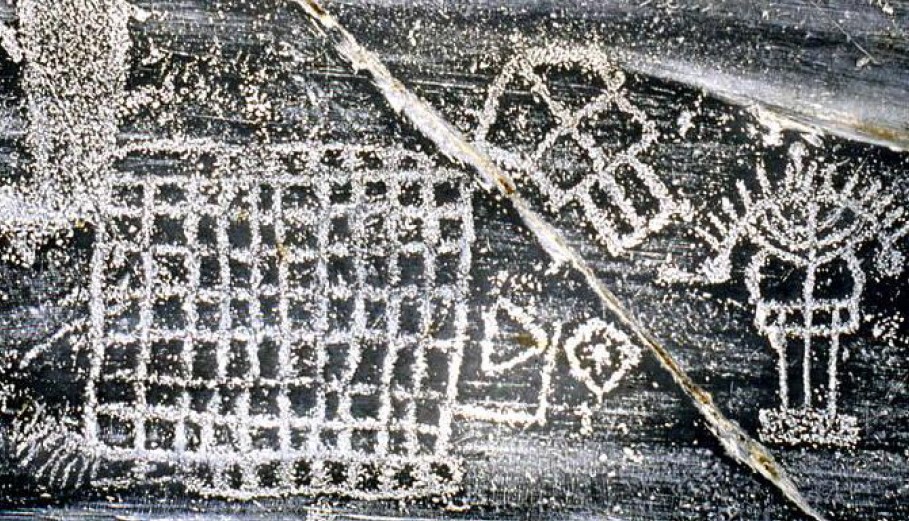
figure 12

Mohammed Abdallah AlThrhuni
writer and researcher
Share now: