The Elephant, Rainmaker
Article: shamanisim, Mohammed Abdallah altrhuni
For Pliny the Elder, the elephant is a pampered animal. If you listen to it carefully, you discover that it loves elephants, and you feel that it once looked upon them standing under the grey moon, flapping their ears. Pliny would say to himself: This small furrow called Earth is not enough to contain such innocence of this magnitude. In his book Natural History, Pliny the Elder says about the elephant: “Let us pass on to the rest of the animals, and begin with those that live on land. The largest land animal is the elephant, and it is the closest to humans in intelligence: it understands the nature of its environment and obeys commands, remembers the duties it has learned, is pleased by affection and marks of honor, and moreover, the elephant possesses virtues rare even among humans themselves, such as fidelity, wisdom, justice, as well as respect for the stars and veneration of the sun and moon. Authorities recall that in the forests of Mauritania, when a new moon appears, herds of elephants descend to a river called Amilo, and there perform purification rituals, sprinkling themselves with water, and after that pay their respects to the moon, then return to the forest pushing their exhausted young.” In Vedic religious literature, and as Alexander van der Geer says in a book titled Animals in Stone: Indian Mammals Sculpted Through Time: “The elephant is a symbol of rain. Indra, the Vedic god of rain, thunder, and war, rode his elephant Airavata upon the clouds. The relationship between water, rain, and elephants is clear… The elephant’s fondness for bathing and its ability to use its trunk to spray water makes it an ideal candidate for bathing the gods.”
When the shaman in Southern Africa enters the spirit world, he takes on a half-human, half-animal form, and this is why we see many figures in rock art in the form of a complete animal, or half-animal and half-human. The most powerful animals in the spirit world were the lion, elephant, eland, and leopard. The shaman would wear the skins of these animals because the animal’s power transfers to him. Arrows are a symbol of spiritual power, and are often carried in bundles. The forms of animals and humans pierced with multiple arrows do not symbolize a hunting scene, but rather indicate the spiritual power bestowed upon them through those arrows. Shooting arrows at rain animals does not represent hunting, but is a sign of increasing rain power and controlling it.
In Southern Africa, Bleek and Lloyd recorded stories about people of the ancient race from the time when elephants were considered human. This race, from their perspective, existed on earth before the San people, so it is not surprising to find paintings depicting people with elephant heads (Figure 1). In the Cederberg mountains, paintings featuring people with elephant heads are very rare—only two sites out of 300 contain people with elephant heads. In the Drakensberg, there are also two sites with people with elephant heads. Andrew Patterson calls these figures “Elephant-hrop,” meaning elephant and human (Figure 2). The elephant is associated with bringing rain and the trance dance, and in many rock art paintings, the elephant appears connected to bringing rain.
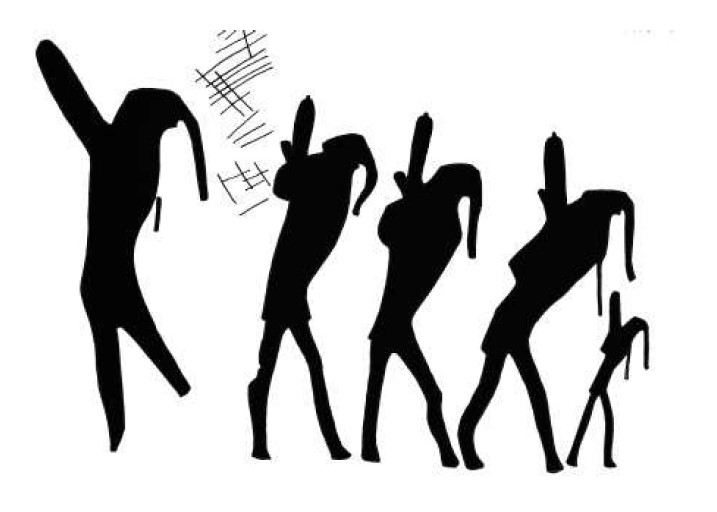
figure 1 – ©A.PATERSON, J.PARKINGTON
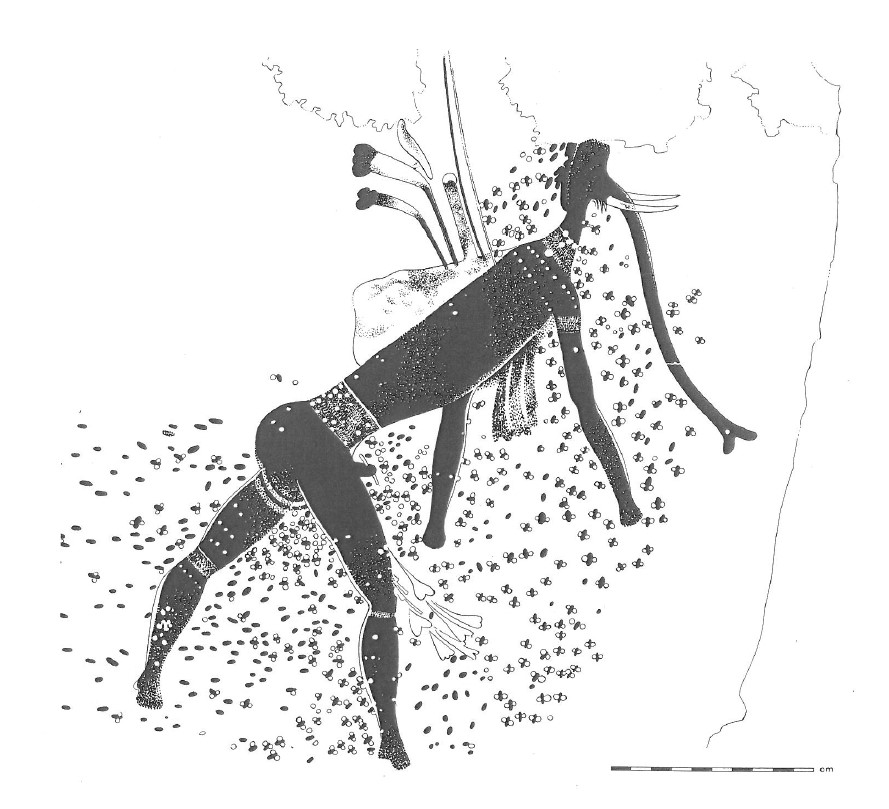
Figure 2 – © H. L. Pager 1975
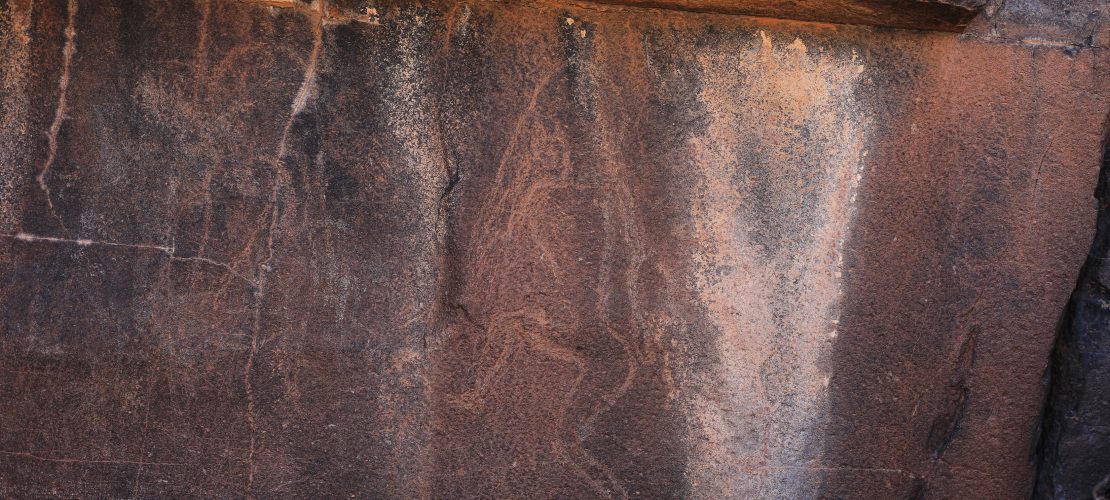
In Libyan rock art, the presence of the elephant is striking, especially in Messak, where the elephant is depicted very intensively. However, what concerns us here is the presence of the elephant from a shamanic perspective, because the shaman has a special relationship with certain animals that have a connection to rain and possess supernatural power. The elephant is one of these animals due to its relationship with rain and water. As a result of this relationship, the elephant is depicted as a person with animal characteristics, such as an elephant head. And if the San people depicted elephants because humans were originally elephants and then transformed into humans, perhaps such a belief also existed in prehistoric Libya. In (Figure 3) from Wadi Adrou in the Saft Al-Masak region, we find a shaman with an elephant head. But more importantly, what we discovered during our research in Wadi Tajent—we found a mural containing two shamans with elephant heads (Figure 4).
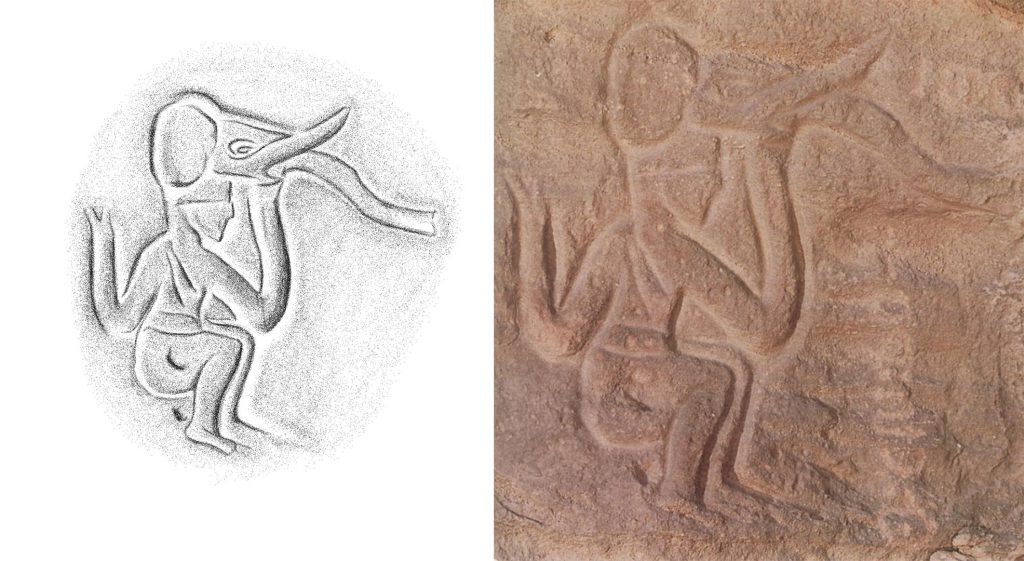
figure 3 – Left drawing by shefa salem, right Photo ©Rüdiger Lutz
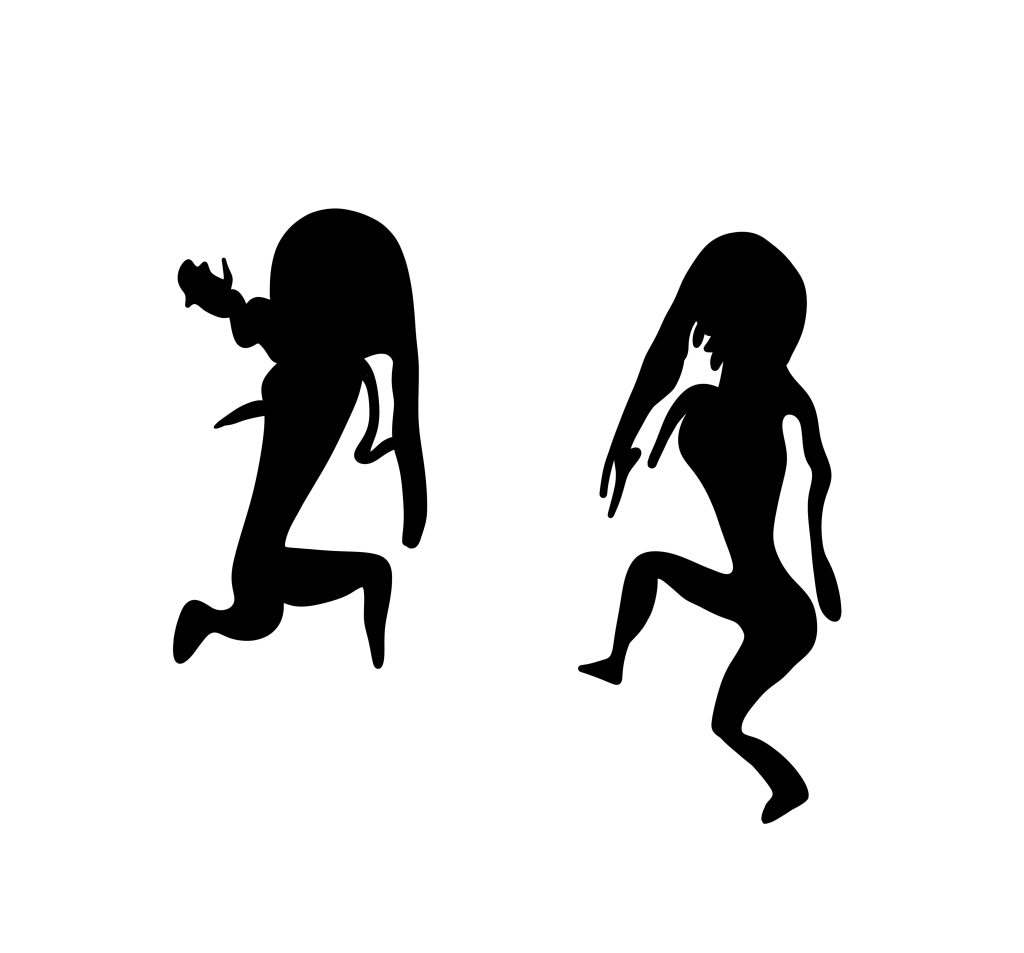
Figure 4 – Drawing by shefa salem
The posture indicates that a ritual is taking place at that moment, and that there is a dance performed by the shamans during the ritual. Perhaps there are murals similar to this one in other places that have not yet been discovered. It is necessary to delve deeper into the San people’s mythology concerning the early people, and examine its relationship with Libya and the rock art in Libya and Southern Africa, because the similarities are not simple and require complete study and research. In the Acacus, the shamanic perspective of the elephant and viewing it as a rain animal exists and is no different from Southern Africa. We are discussing a mural that displays all the elements of shamanism (Figure 5).
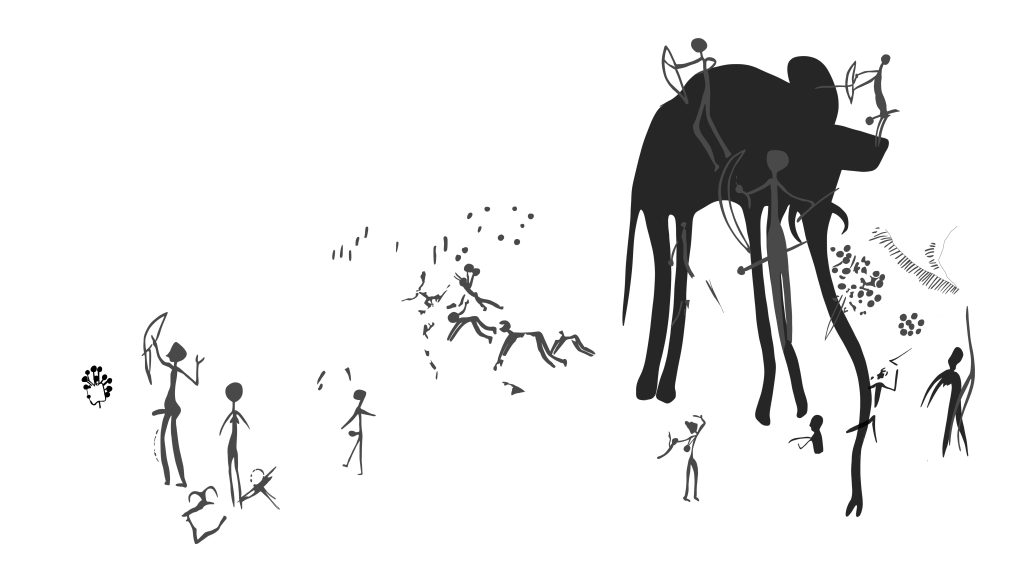
figure 5 – drawing by shefa salem
The mural is from Tanshal – Acacus, showing an elephant with strange physical characteristics and features. This is because the shaman is in an altered state of consciousness and sees animals in forms and appearances different from reality. The figure directly in front of the elephant is the shaman leading the elephant forward into the arid lands where rain is desired to fall. There are two figures to the right and left of the elephant carrying bows, which are symbols of rain power and control. On the right, we notice a fissure in the wall with threads of water painted around it. Although there are no deposits near the fissure, these cracks are the place for summoning rain spirits and their entry and exit into our world. Near the fissure, there are dots similar to those present at the far left of the mural.
About these dots, Lewis-Williams says in an article titled “Testing the Trance State Interpretation of Southern African Rock Art”: “Red dots appear in the trance dance and rain-making scenes.” Beneath the elephant’s trunk, there are figures painted in red performing rain dance rituals. On the left, we see human figures that have taken on animal form, leaping forward. These forms, during the performance of the great dance or rain dance, symbolize merging with animals possessing supernatural power. We find an example of the posture of these figures in (Figure 6) from Southern Africa. On the left, there is another part of the display during the dance and ritual performance.
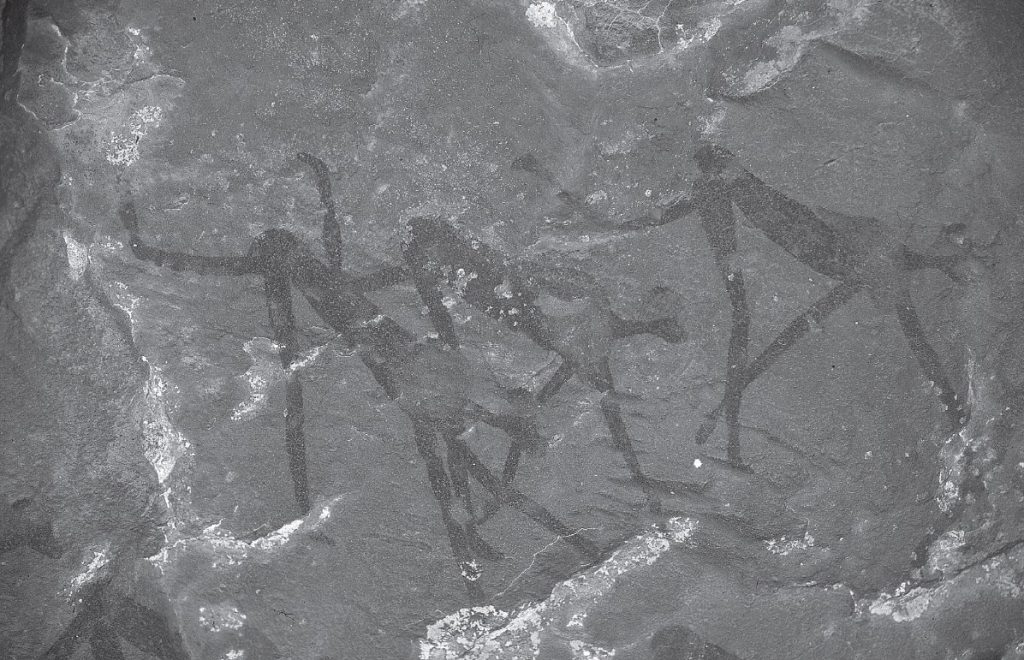
figure 6 – ©G.BLUNDELL
We must point out here that the state of erection seen frequently in the mural refers to power and the trance state. There are two female figures to the right and left of the mural. There is a relationship between women and rain (Ikhwa), and they are called during rituals “wives of the rain.” Undoubtedly, the panel is shamanic and presents the elephant as one of the important rain animals in the Acacus, also referring to the trance dance and the state of obtaining supernatural power. The prehistoric rain religion provided the same solutions to the same problems, foremost among them drought, throughout all of Africa.

Mohammed Abdallah AlThrhuni
writer and researcher
Share now: