
Wadi Sarrat
In Wadi Al-Sarrat, rocks are scattered on its sides like words inscribed on an ancient page. The shadows that awaken the senses stretch in the evening like wise water fingers pointing to the silence of the stone, transforming into an absent language whispered by the rugged ravines—a language in which the lines carved on its cliffs merge. In this valley, every rocky protrusion gleams with the remnants of a stone dream, and every bend gathers within it a small secret whispered by the wind to those who listen.
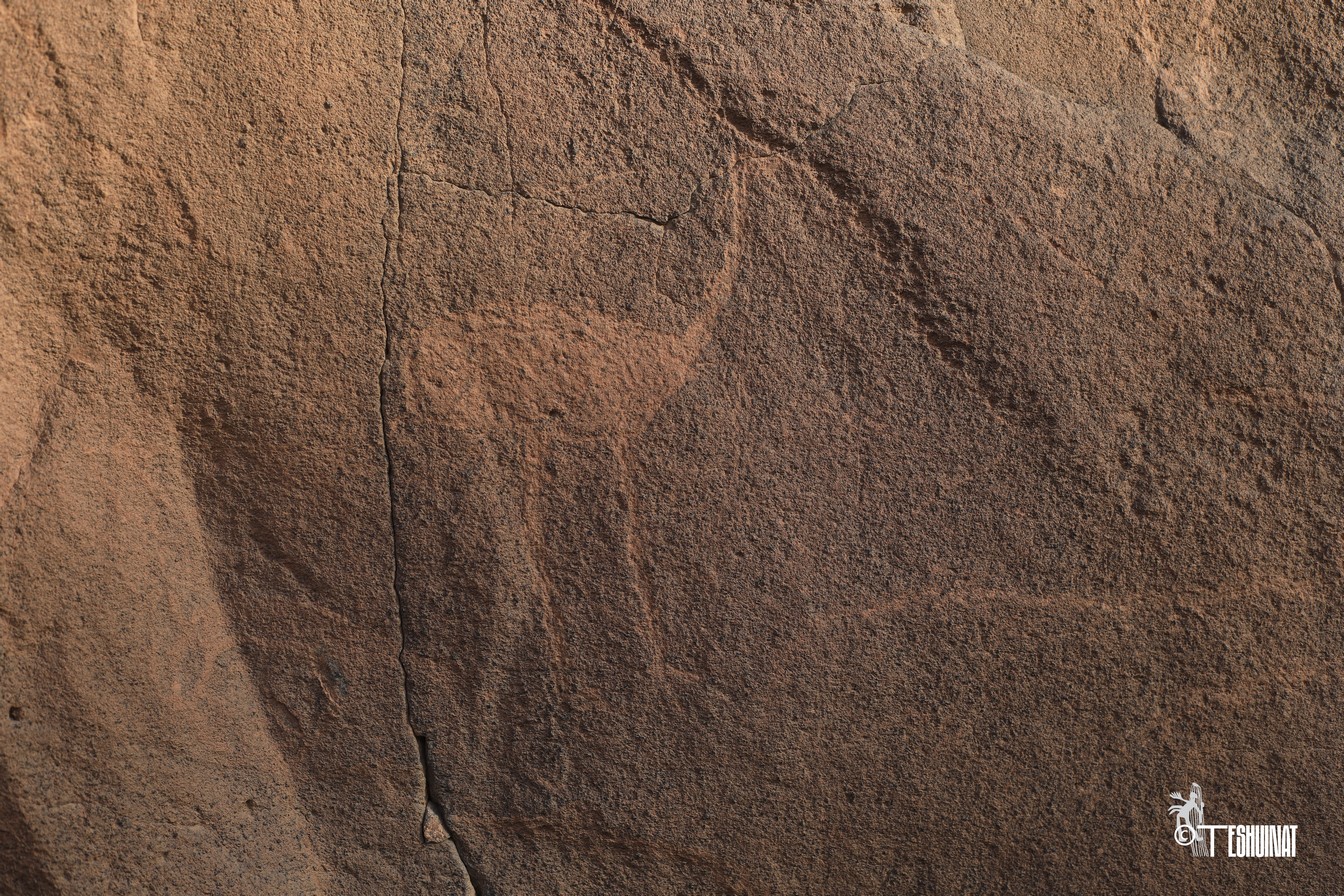
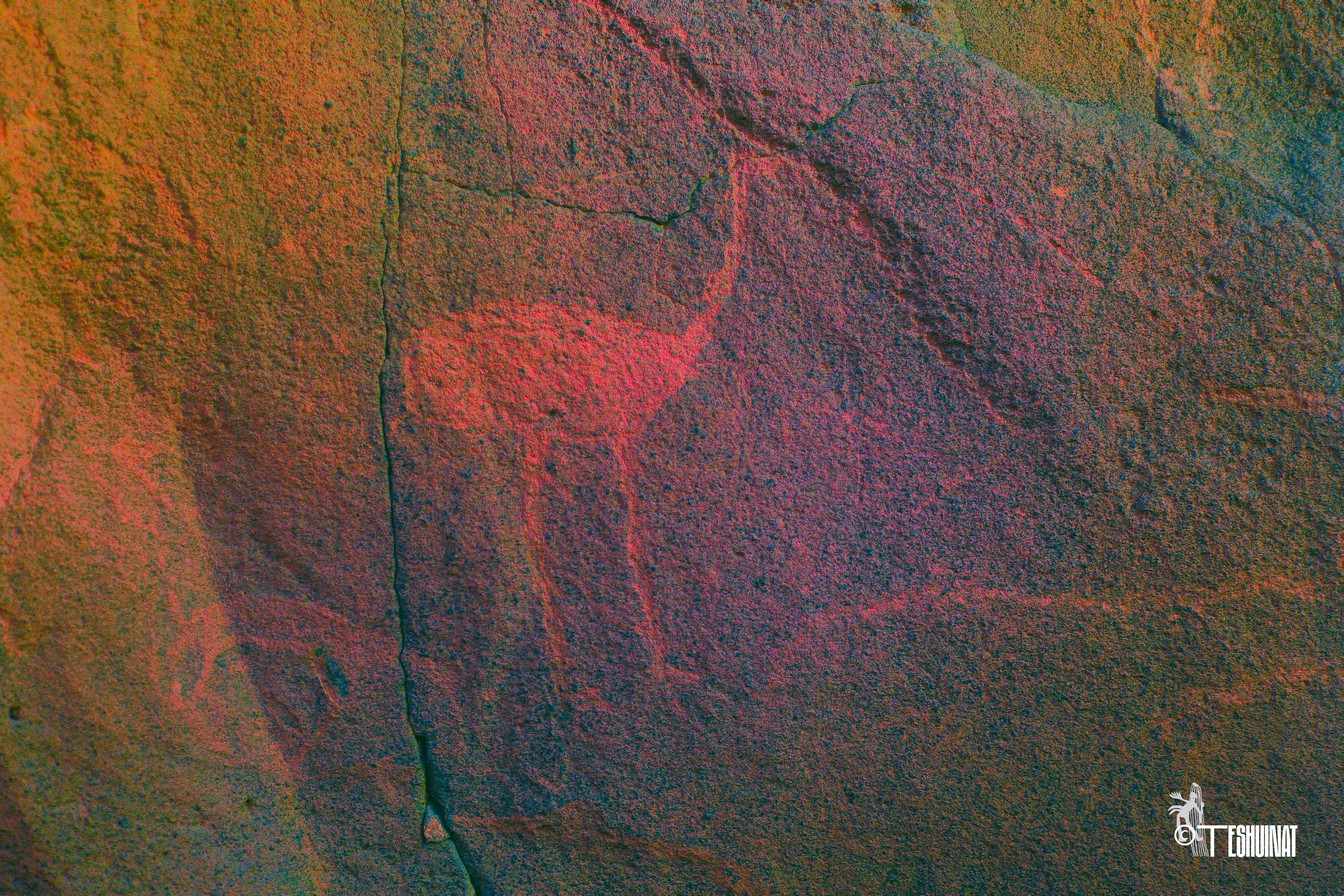
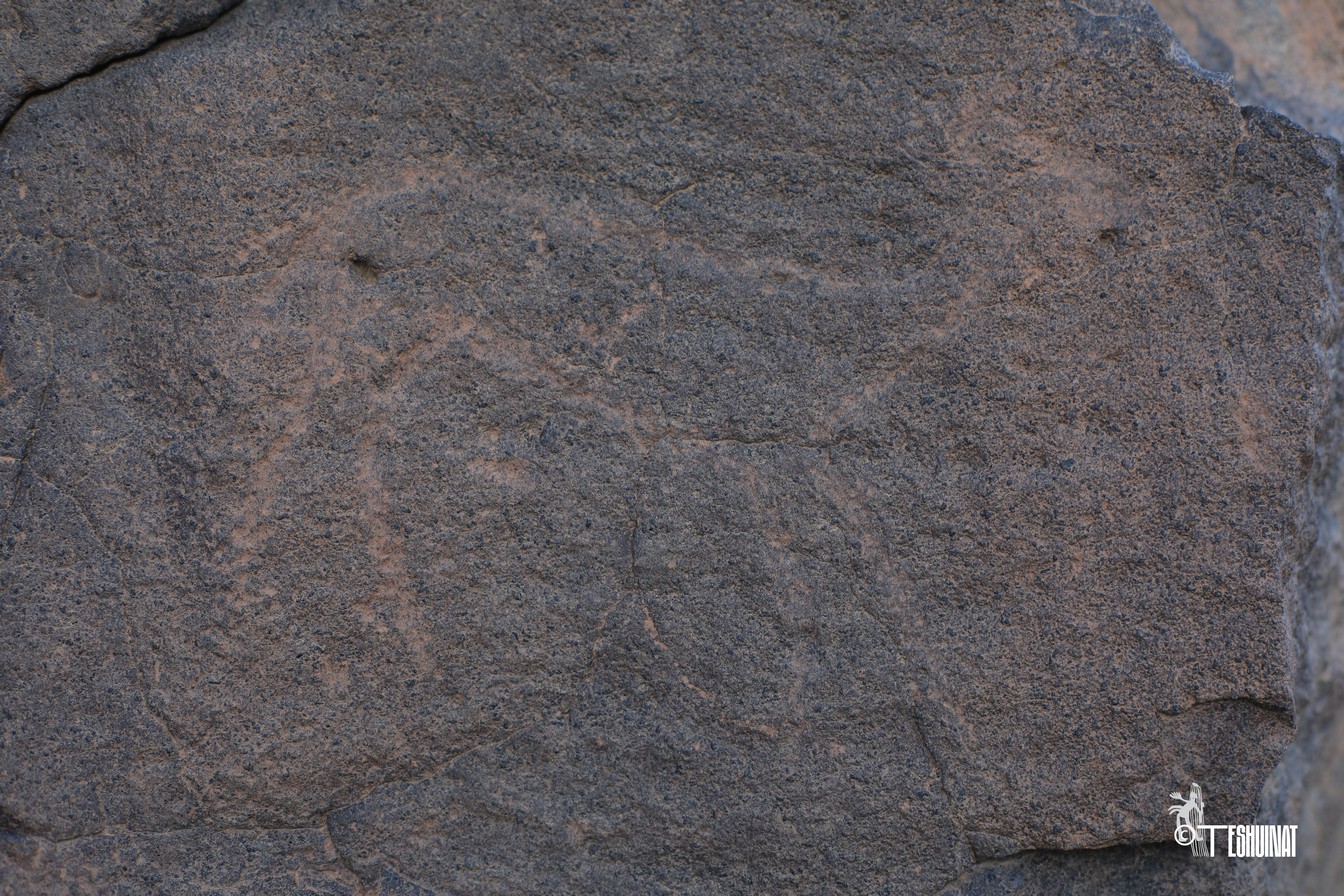

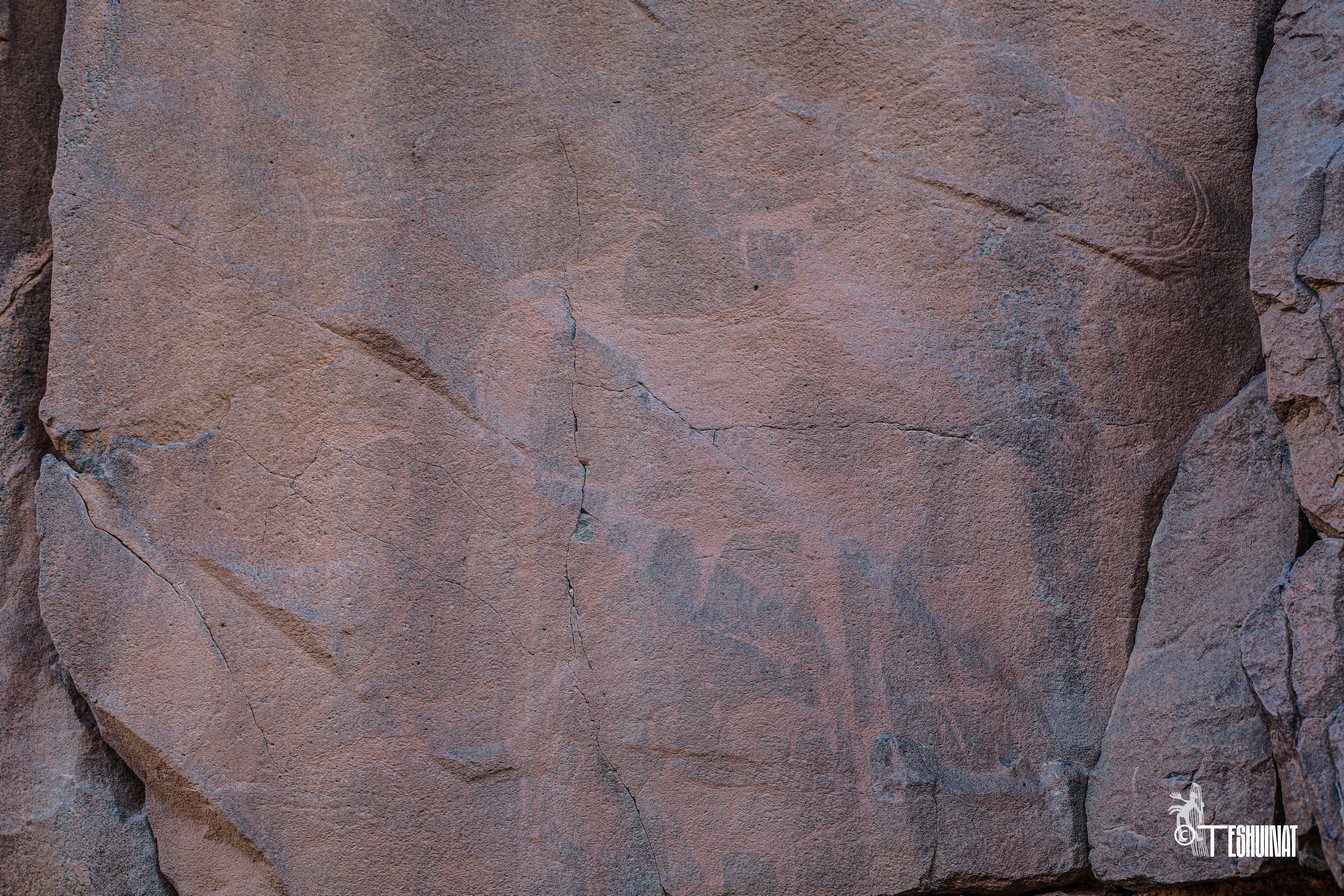
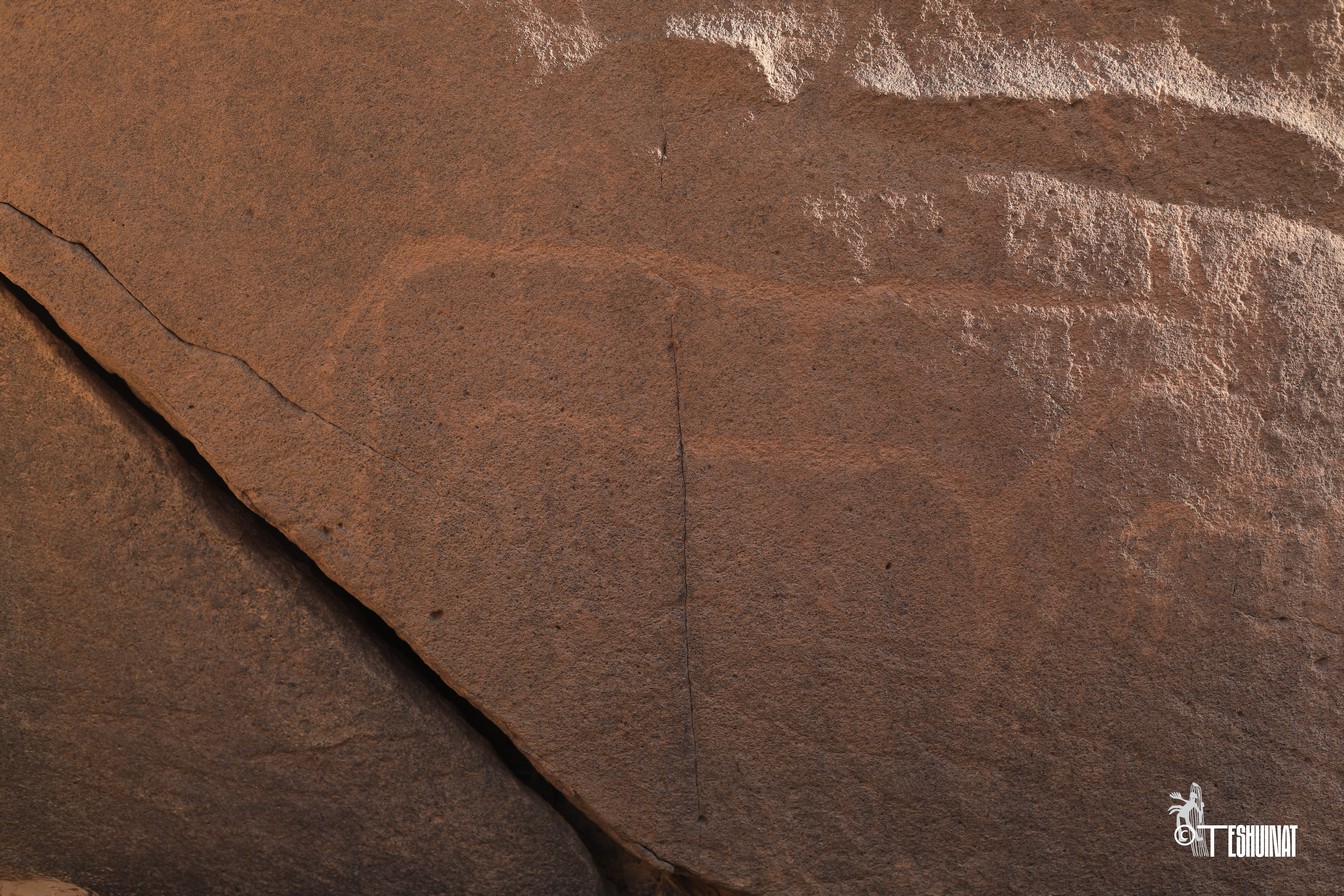
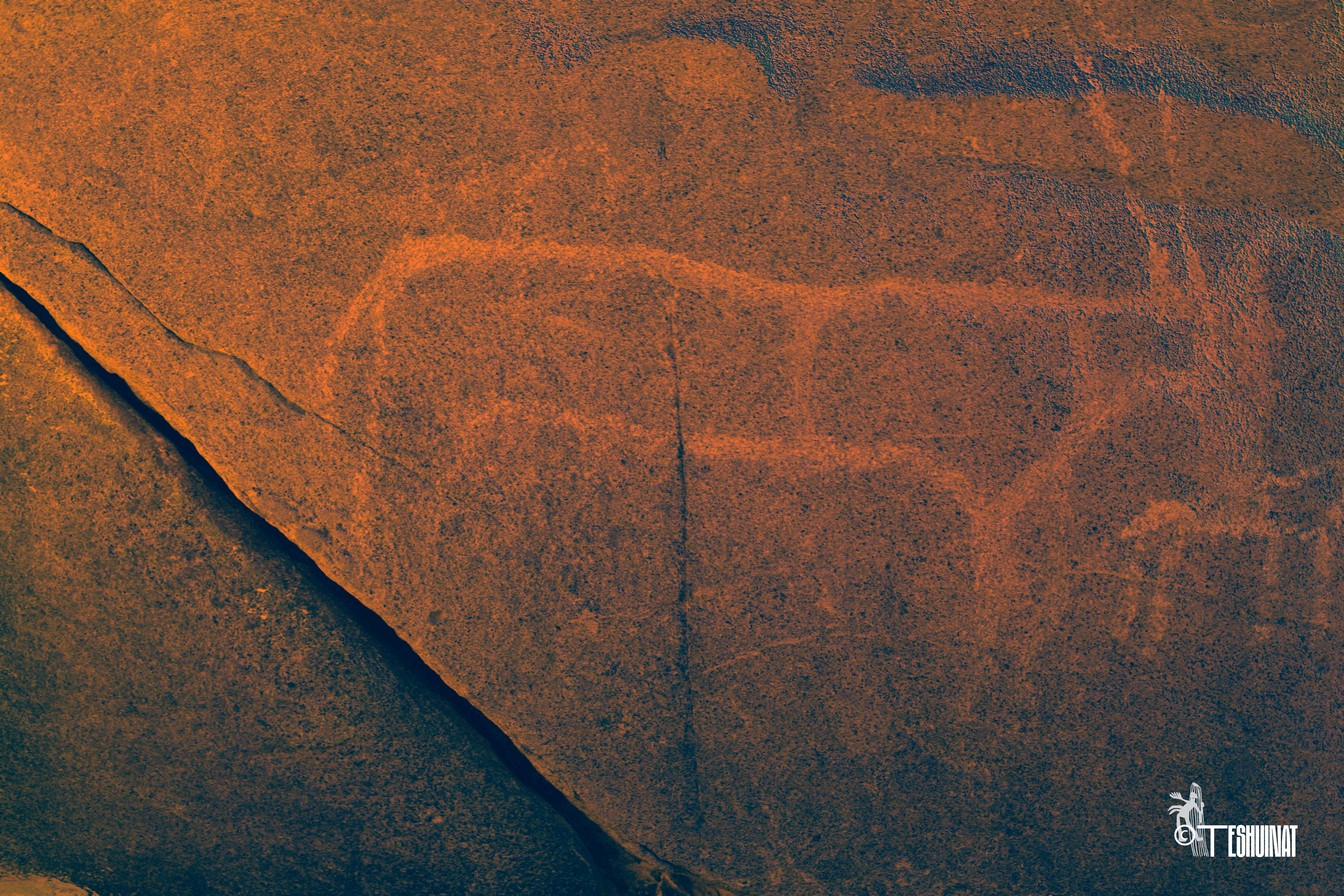
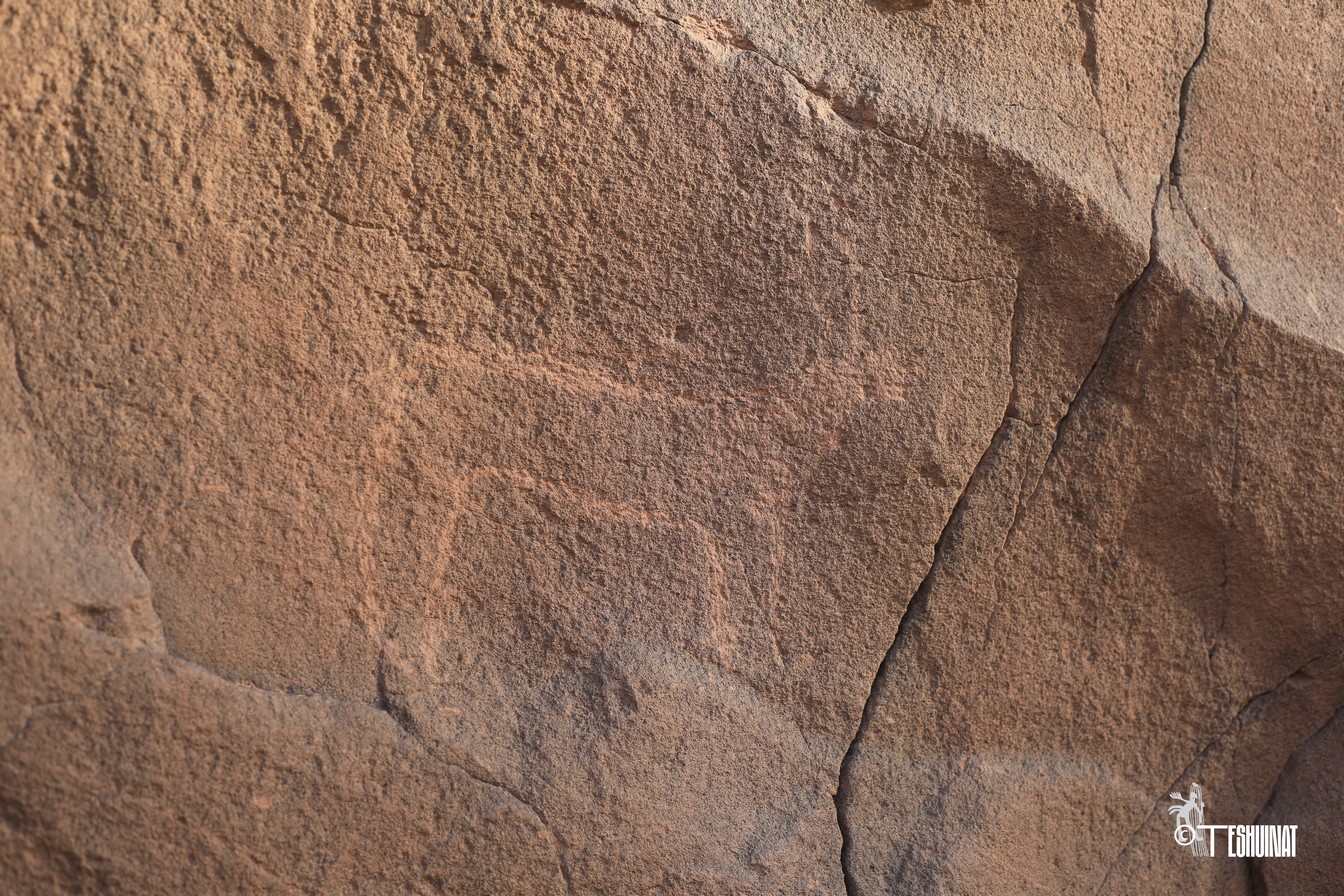
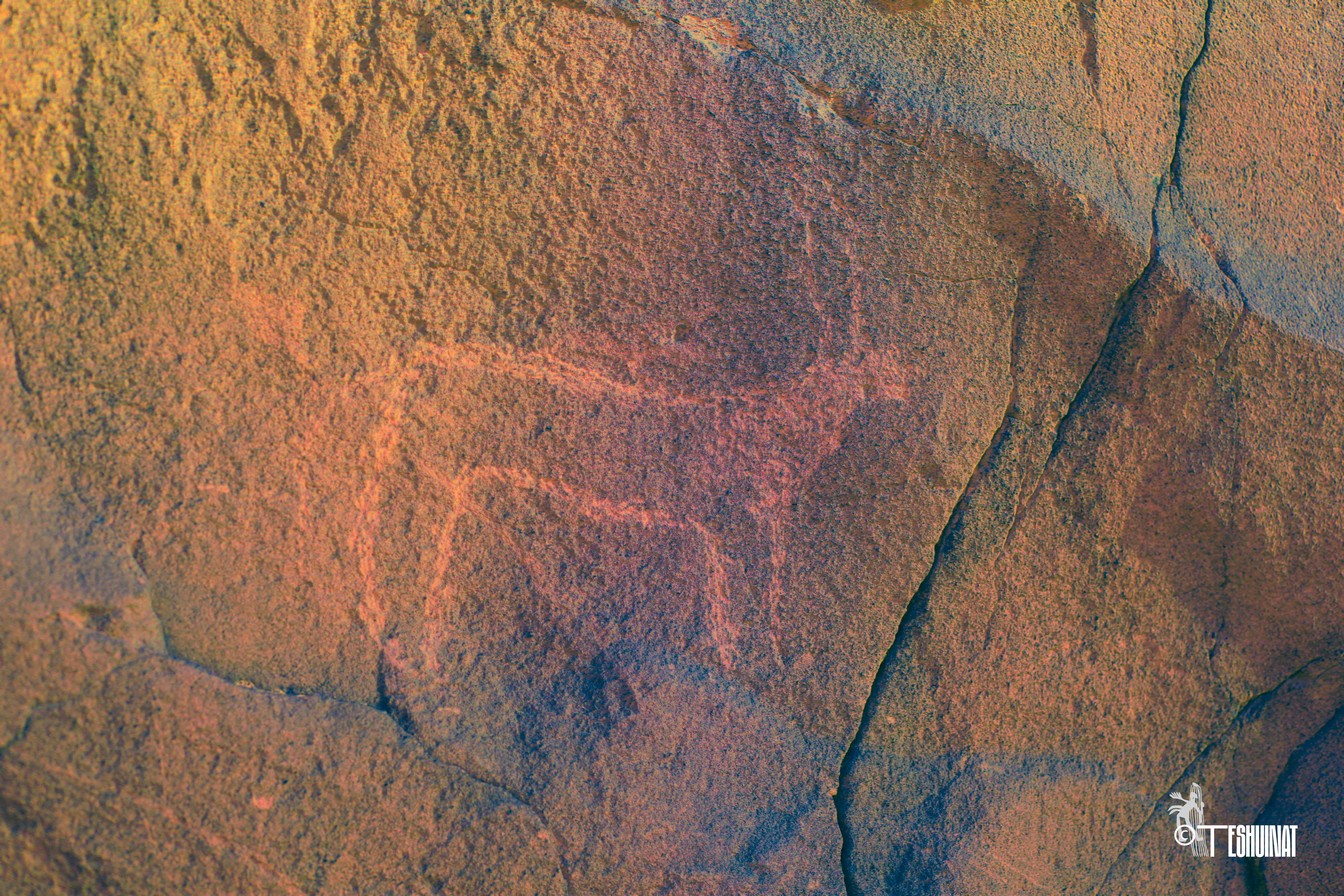
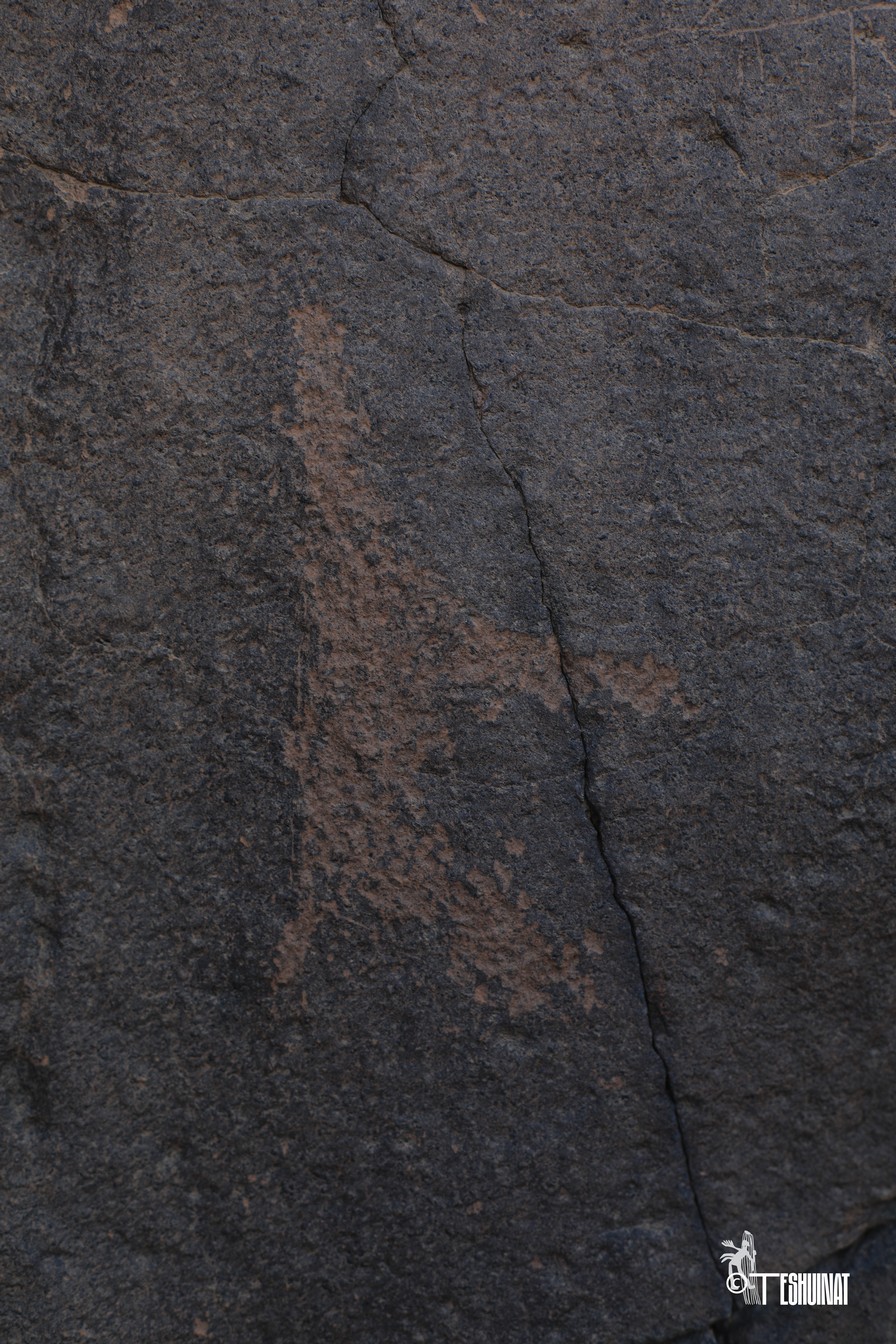
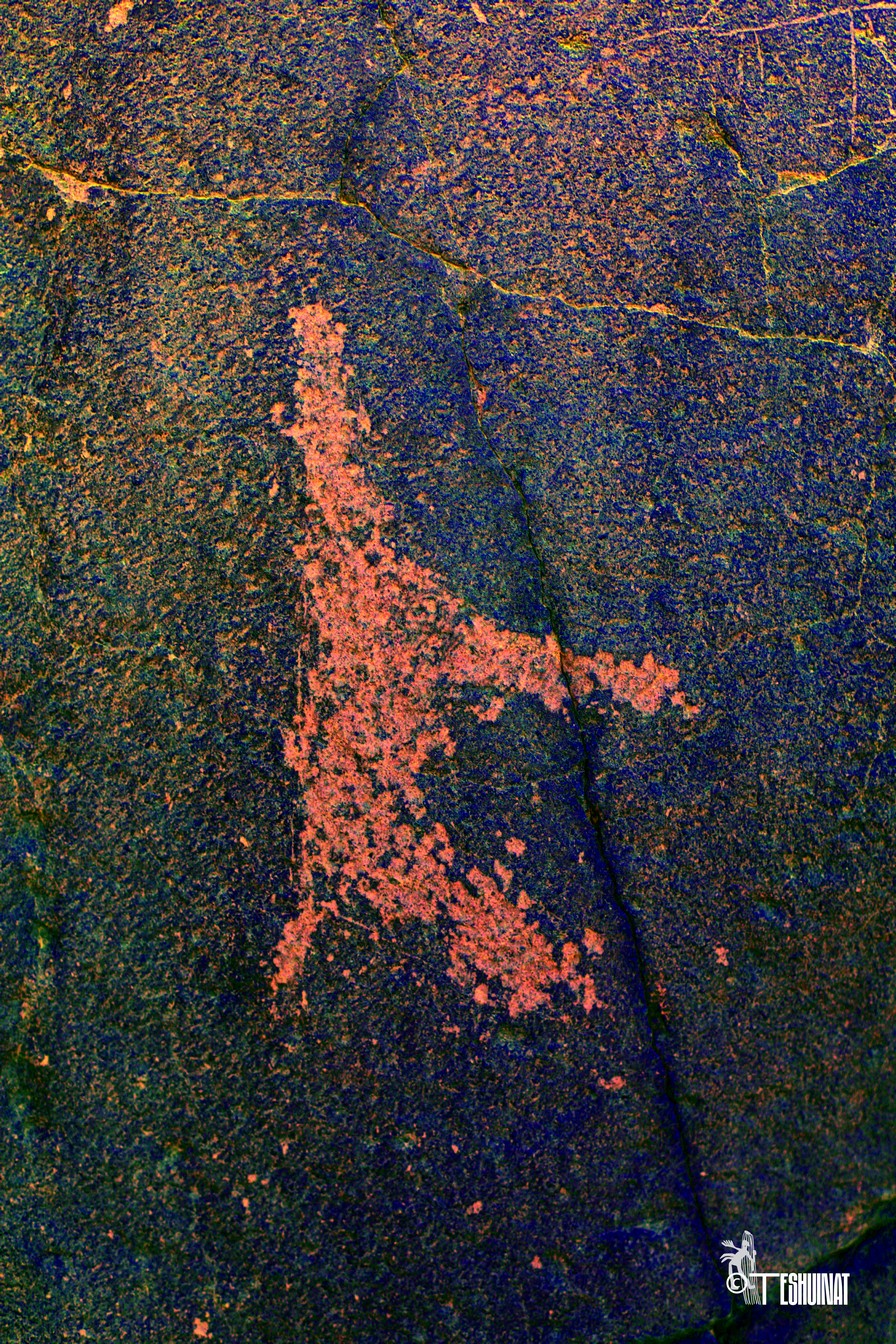
Photograghs taken by Essam elsabri. This work is licensed under Creative Commons Attribution 4.0 International

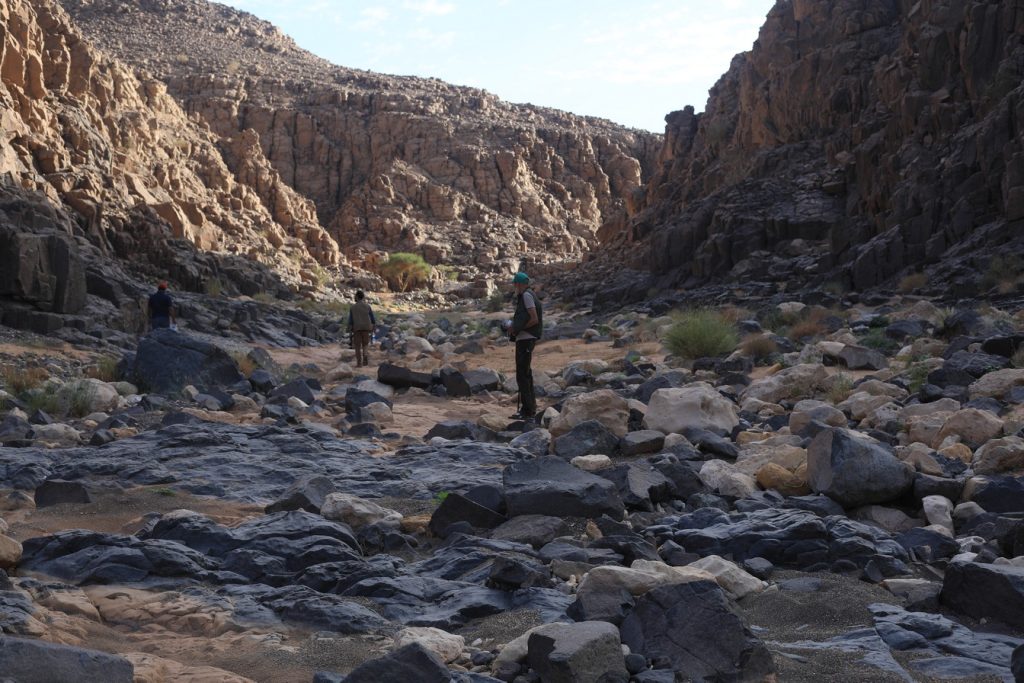
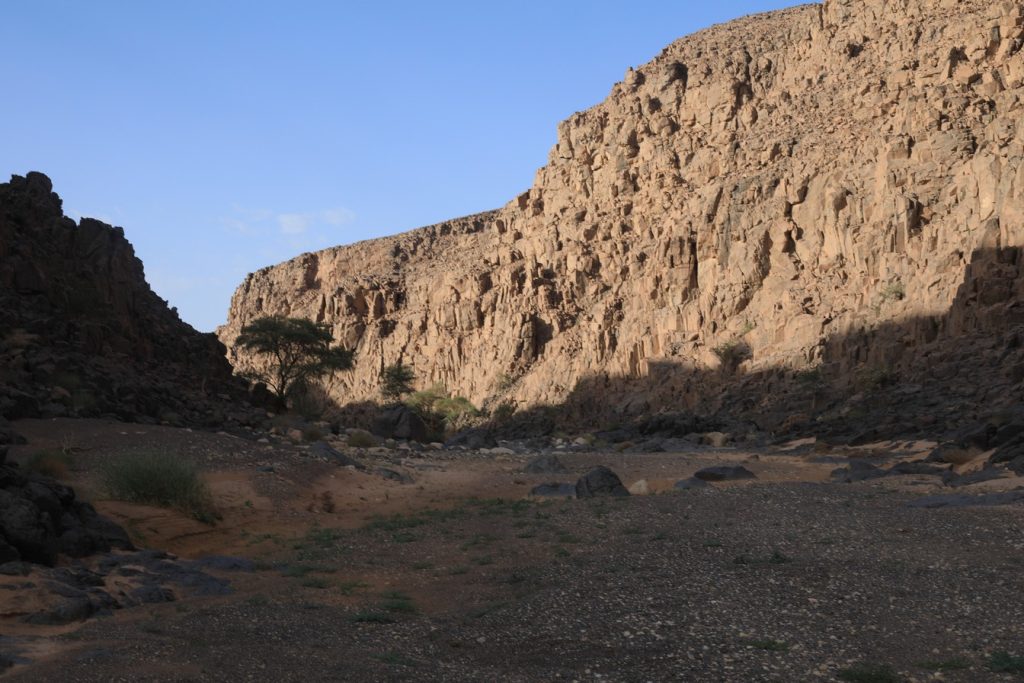
The Second Expedition: Exploration of Wadi Sarrat
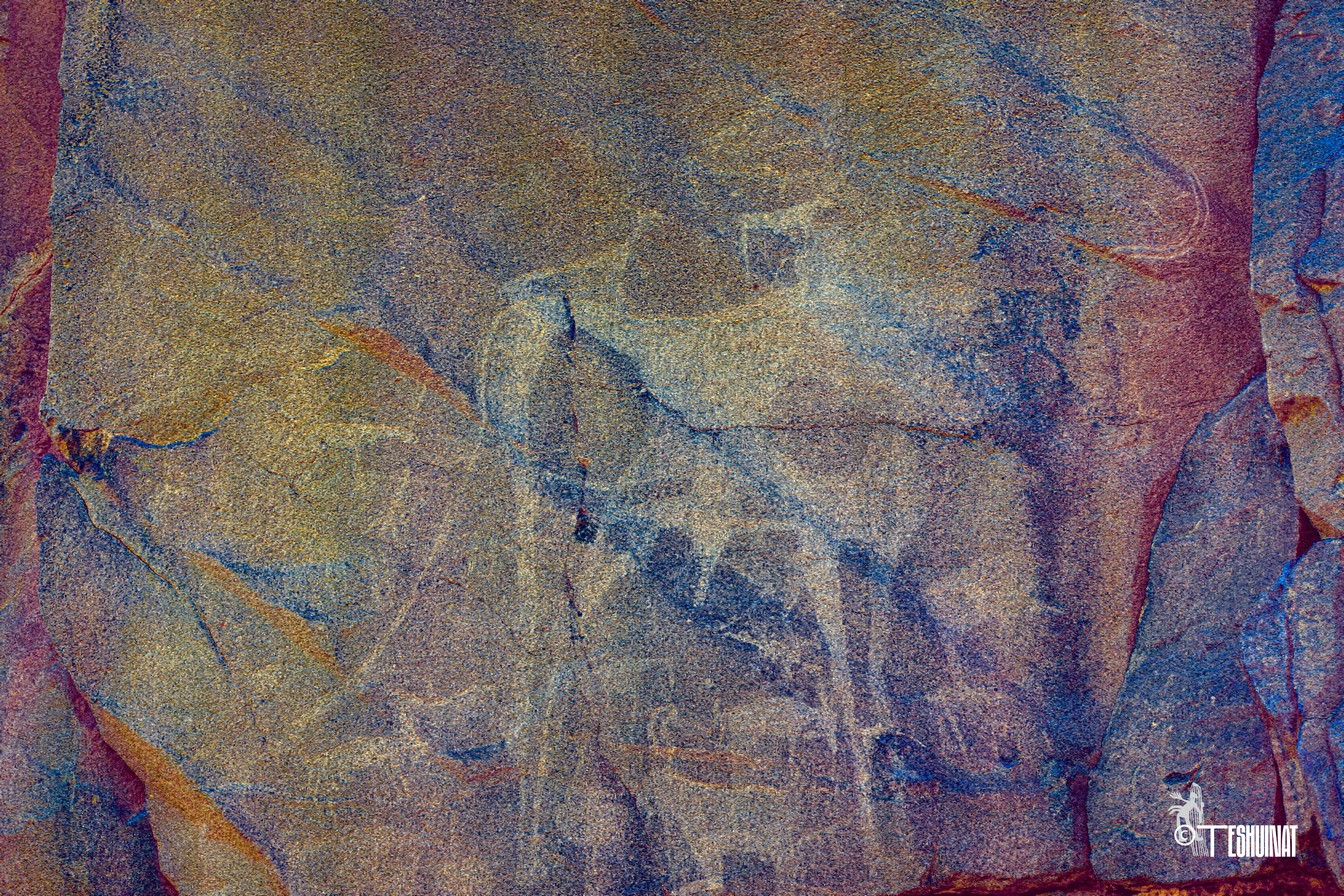
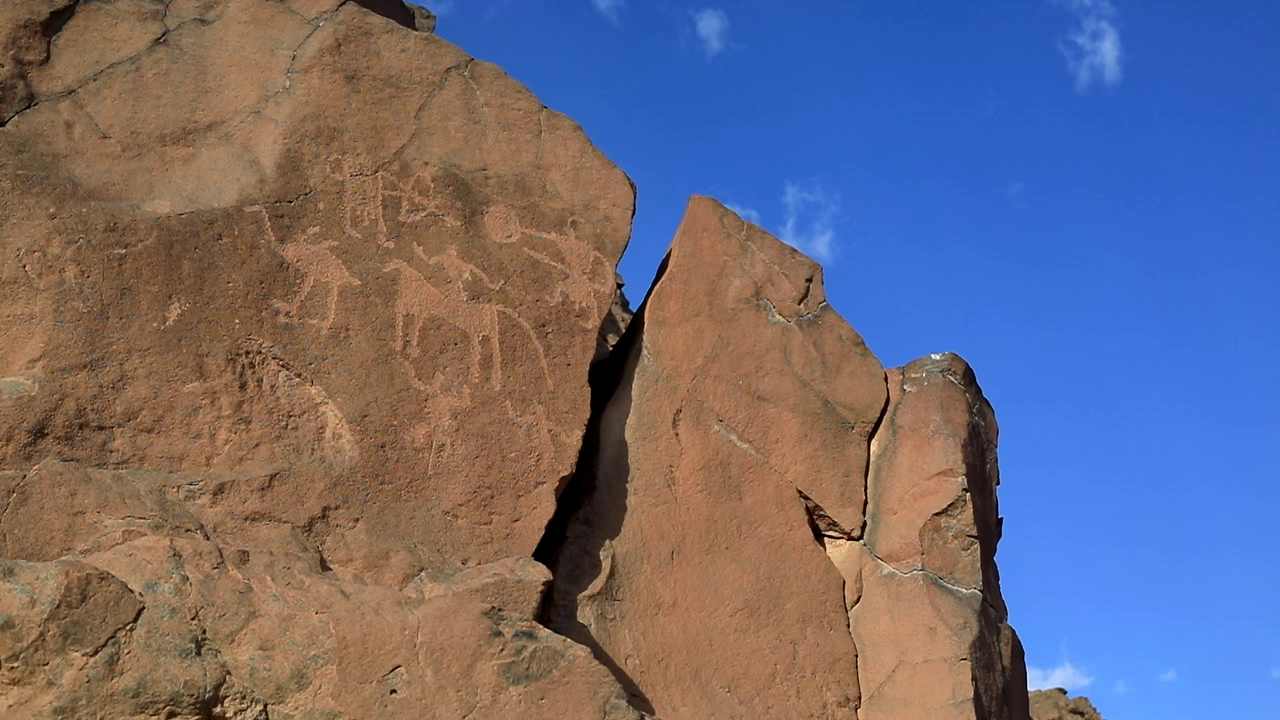
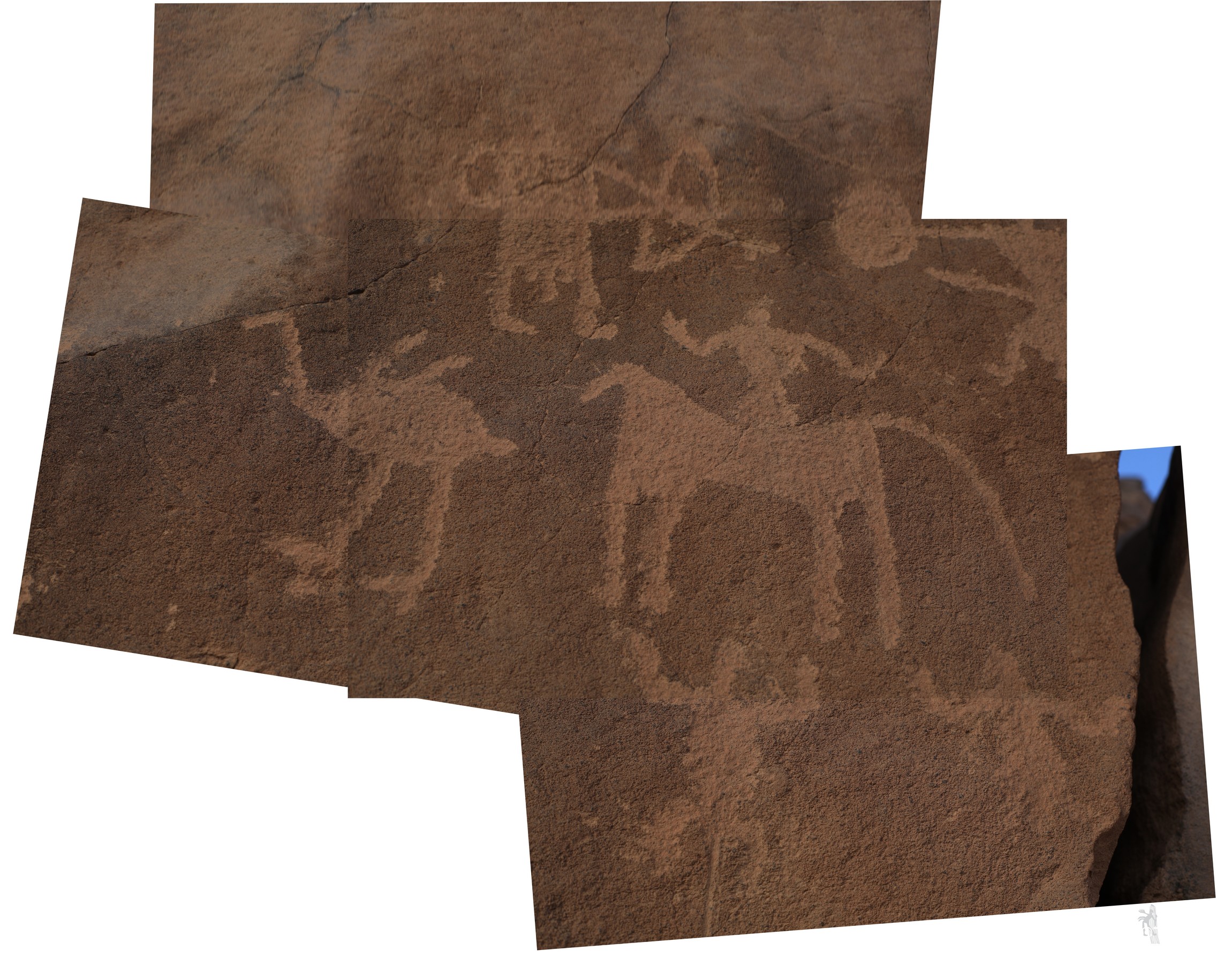
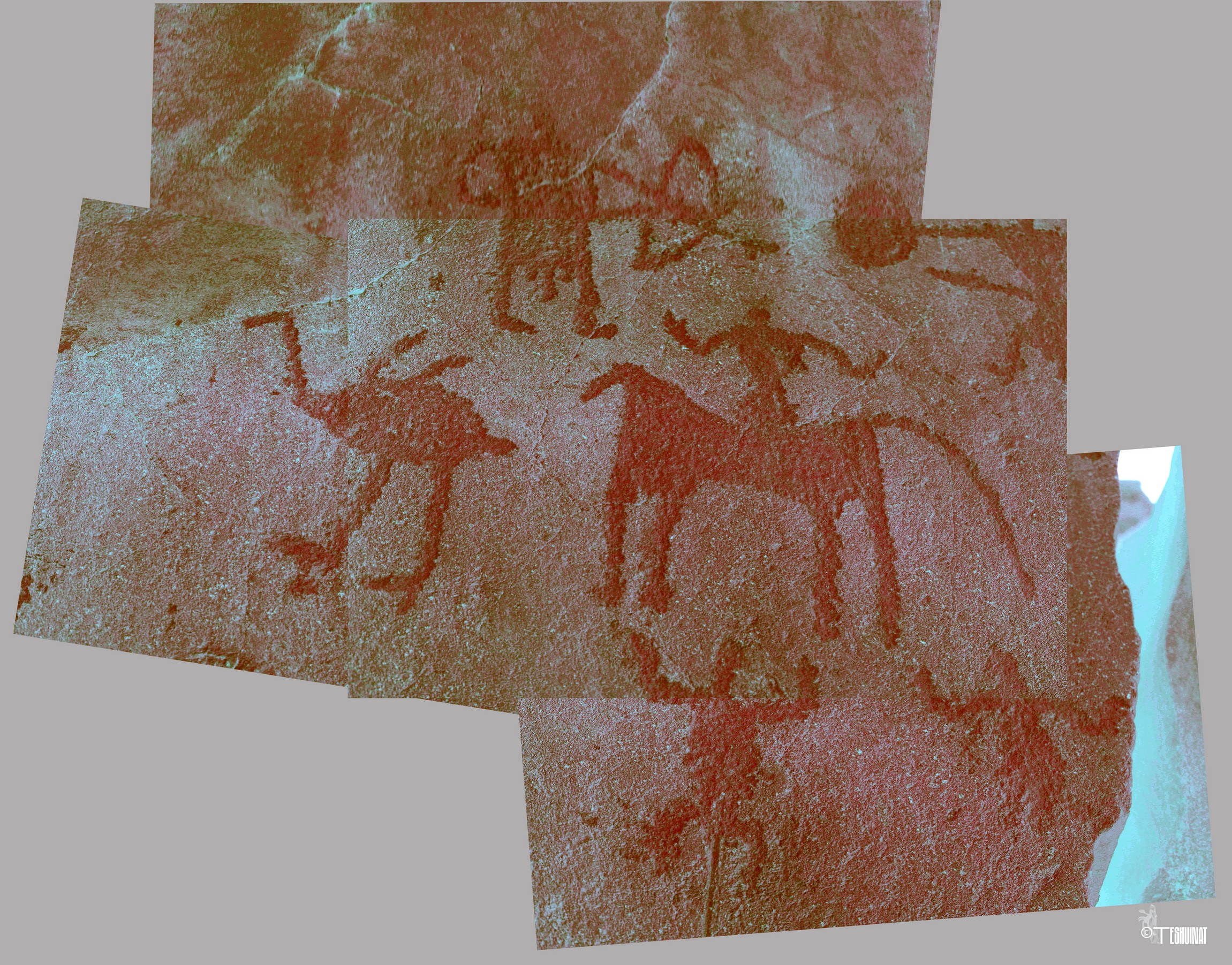
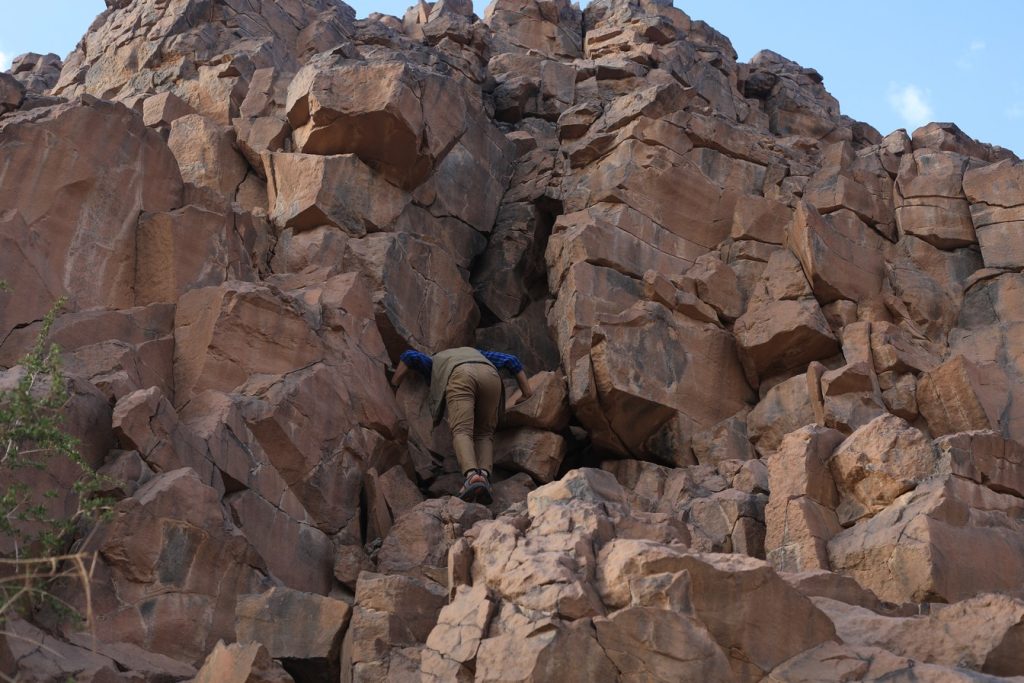
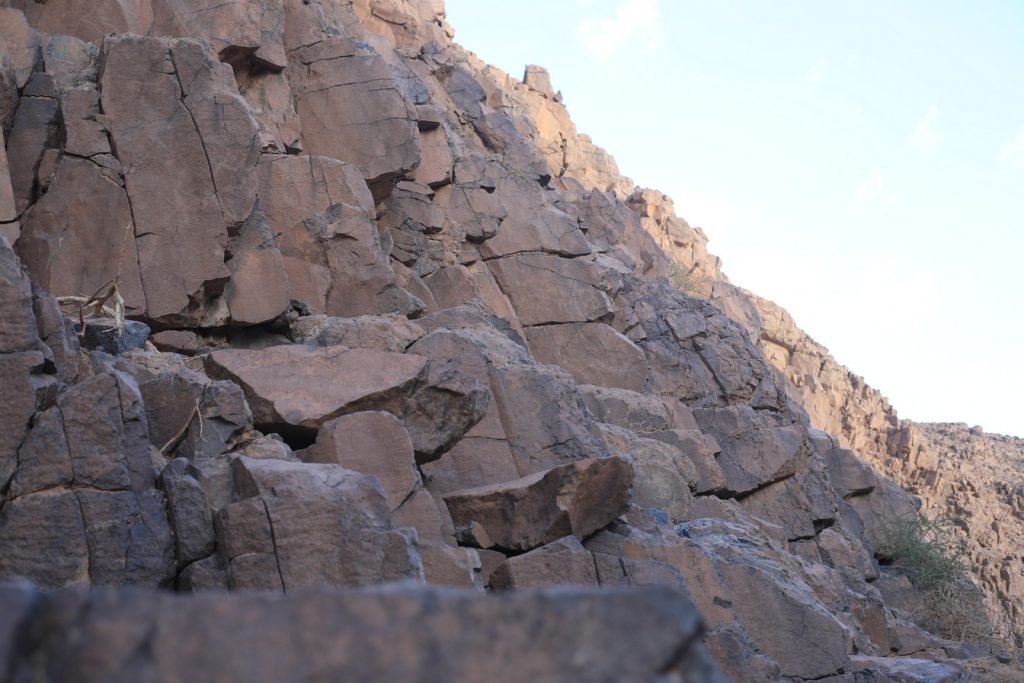
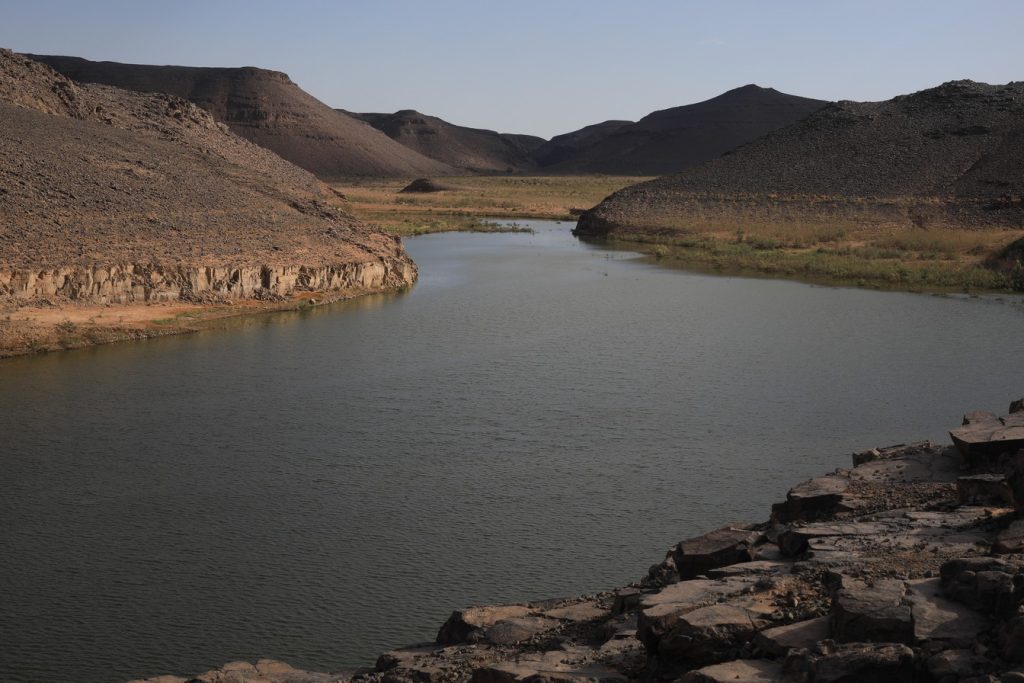
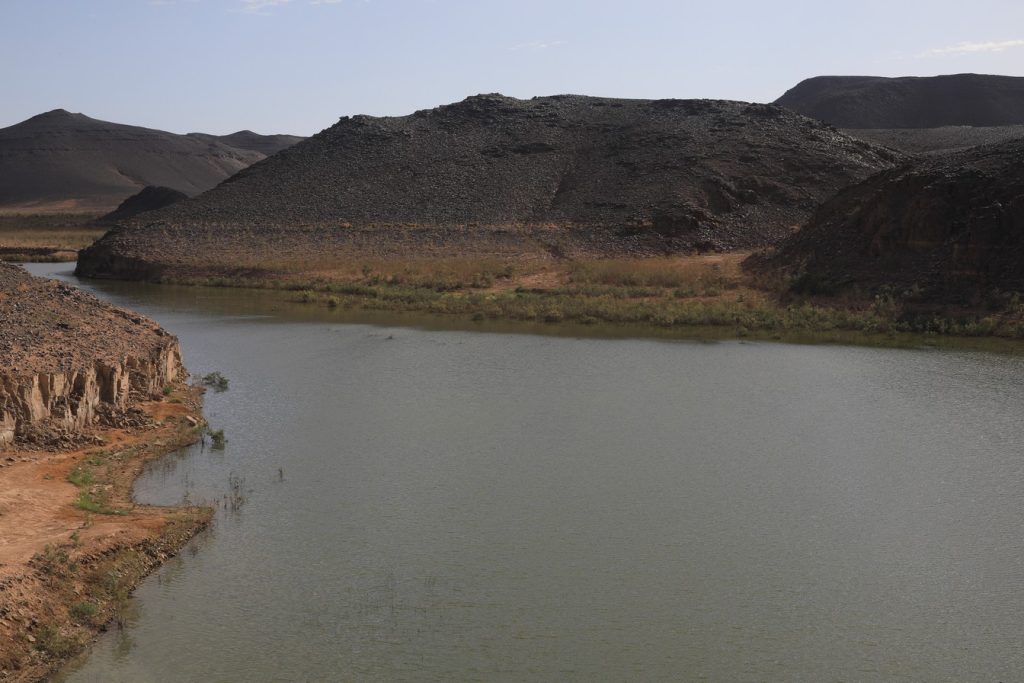
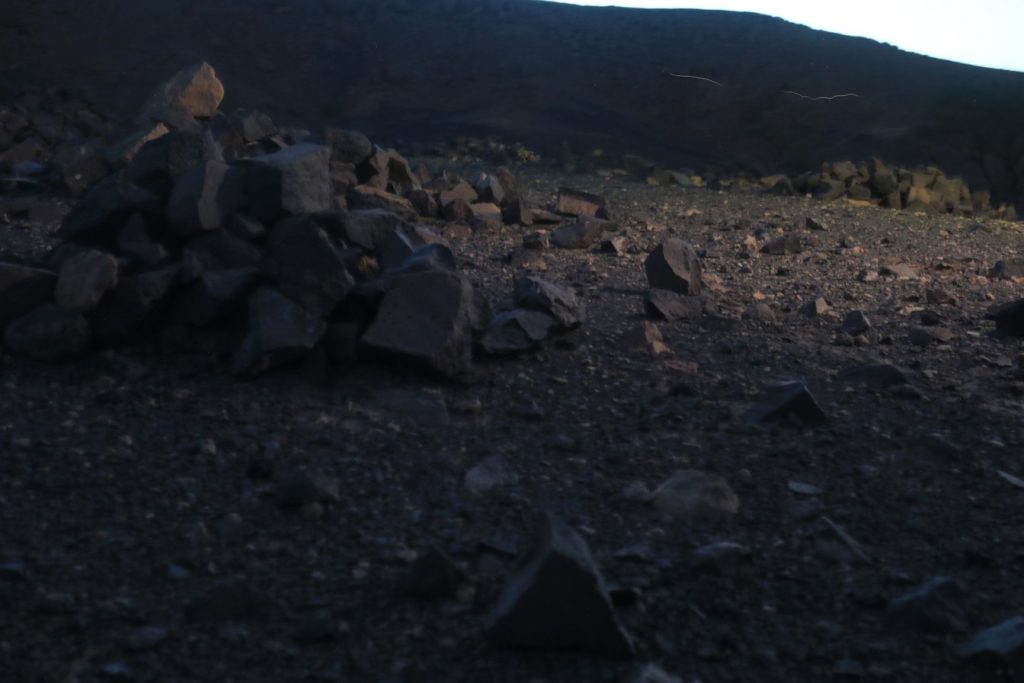
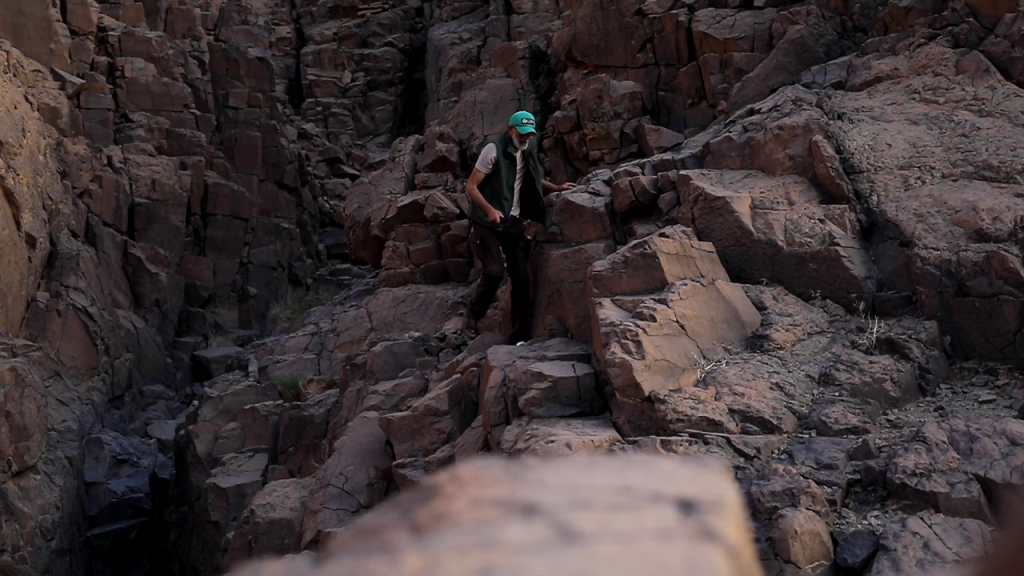
The valley is flanked by irregular rocky slopes and interspersed with large rock formations and stone basins that collect seasonal rainwater. The vegetation cover is limited, consisting mostly of short shrubs and drought-resistant desert plants. Work in Wadi Sarrat focused on locating rock inscriptions, most notably a carving at the top of a bend called “Wurzat” executed in a double-triangle style.
Wadi Al-Sarrat is one of the valleys of the Black Mountains, located about 35 kilometers southwest of the city of Suknah. Its name derives from the ancient Libyan language, meaning “the narrow place” (Sarrat or Surrat). This is the same name given to the Libyan city of Surt (Sirte), which is situated on a narrow gulf. Ancient inscriptions have also been found near this valley, alongside other rock carvings.
Wadi Al-Sarrat serves as a confluence point for several valleys that meet at the end of the Black Mountains range. These valleys had no choice but to carve their way through, forming two deep ravines across what was once a closed mountain chain, allowing their waters to flow northward—thus giving birth to Wadi Al-Sarrat.
Following the valley upstream for about 2 kilometers, one can observe the convergence of Wadi Zaqqar and Wadi Tifdast, where they merge at a single point to form Al-Sarrat. This junction was a place where water collected for extended periods due to the formation of local depressions known as “Al-Qalta.” It was here that ancient Libyans carved their ritual murals.
It is worth noting that the inscriptions are located at the mouth of a sub-valley called Wurzat, the final branch of Wadi Tifdast. The rock formations in this area suggest that water once flowed through it in the form of springs.