The construction of history is a series of long ruptures from the initial, luminous point.

These ruptures grant those who awaken to its glimmer the freedom to explore meaning and retell what they deem compatible with the emotional and intellectual purpose that underpins the creative work.

In defining our project, we aspire not only to present ourselves as producers of artistic works but also as an intellectual and practical identity. Our project is a national one, founded on an intellectual and artistic vision that seeks to write a new narrative of Libyan history—a narrative imbued with a poetic spirit and aligned with the aspirations of collective action within the fields of art, literature, narrative studies, and the humanities, as necessitated by modern transformations and interdisciplinary texts.


From this perspective emerged our vision of a partnership between visual art, literature, and other fields of knowledge, as a path to charting a new map of Libya through the autobiography of its land and people.

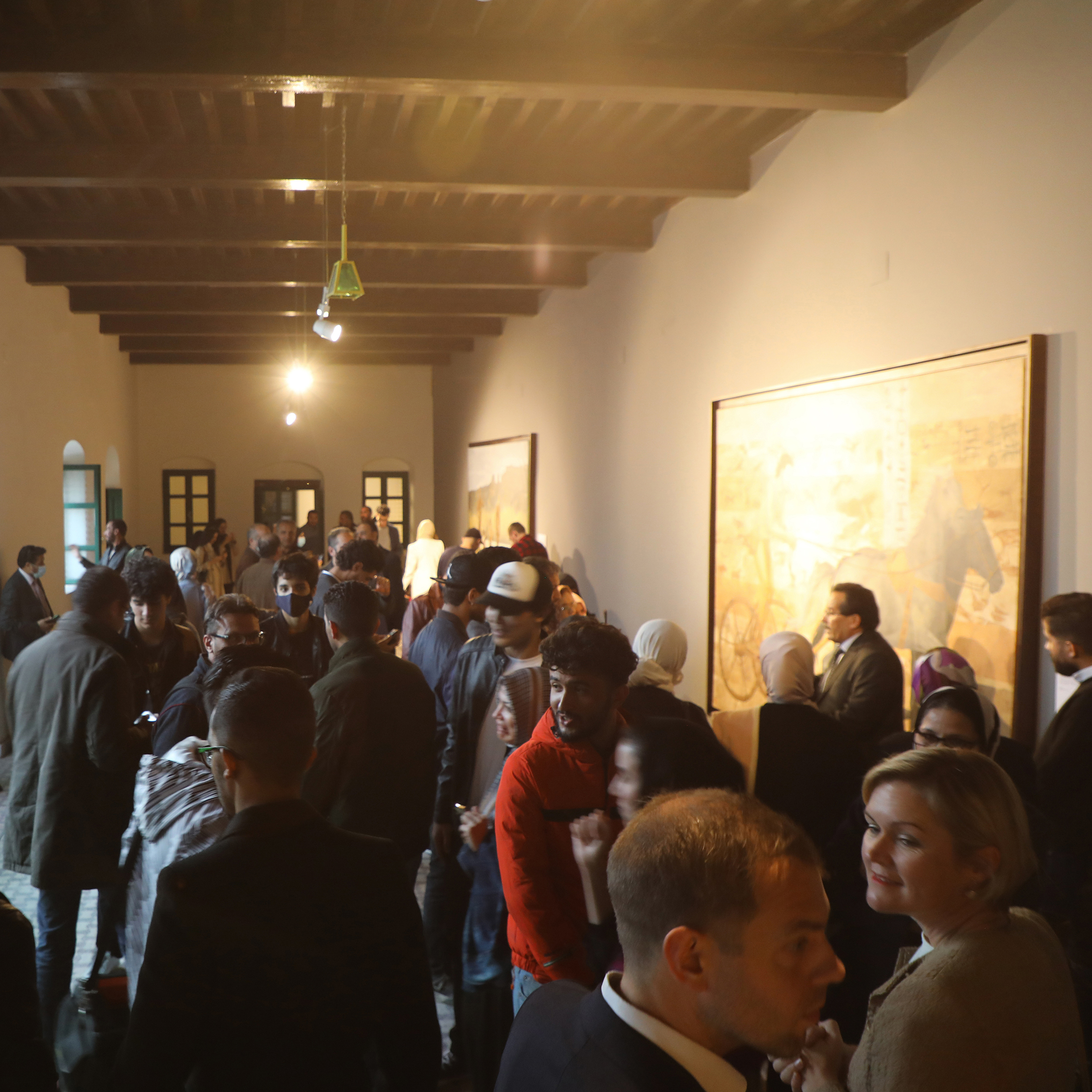
  • In 2020, we launched the first edition of our artistic project, maintaining our central theme: Libyan history as a visual and written representation. The first event, titled “I Am Libya,” featured the work of artist Shifa Salem in Benghazi and included eight original paintings. Later that same year, the project moved to Tripoli, to the Iskandar Art Gallery.
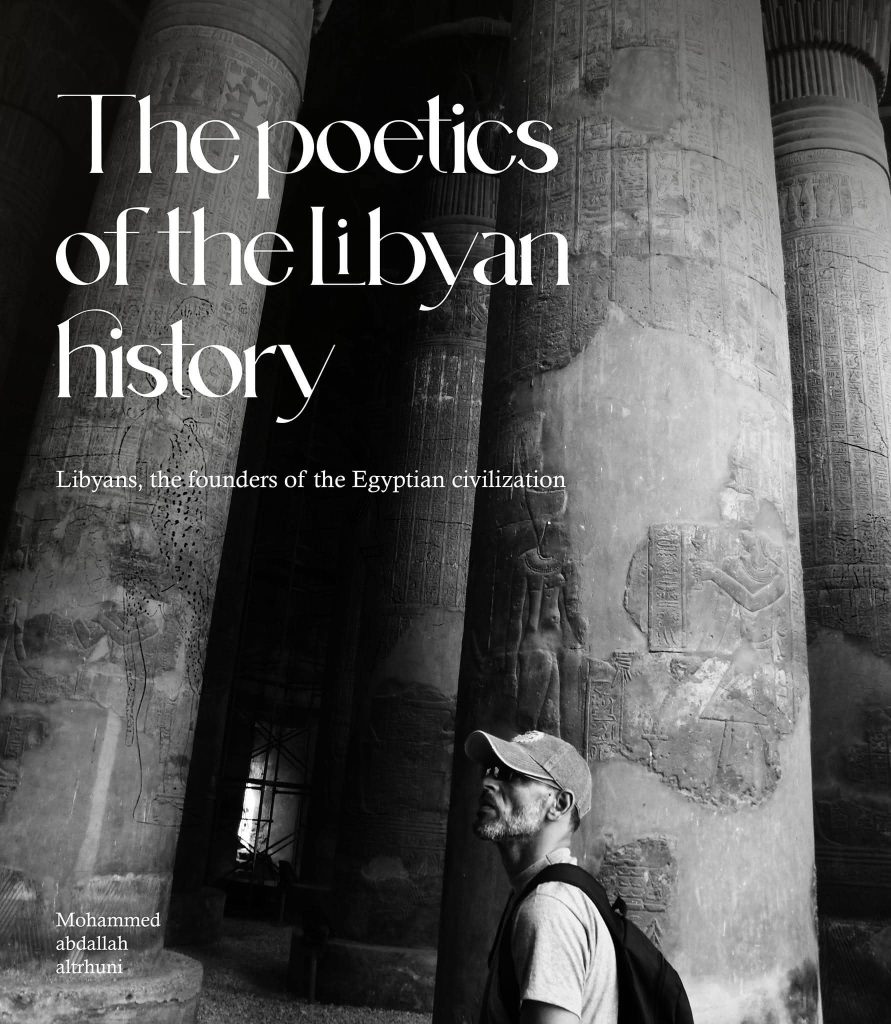
  • On the literary front, in 2023, the book “The Poetics of Libyan History” by Mohamed Abdullah Al-Tarhouni was published by the Tripoli International Scientific Library. It explores the migration of Libyans from the Libyan Desert to the Nile Valley following desertification and drought, and the establishment of Egyptian civilization.
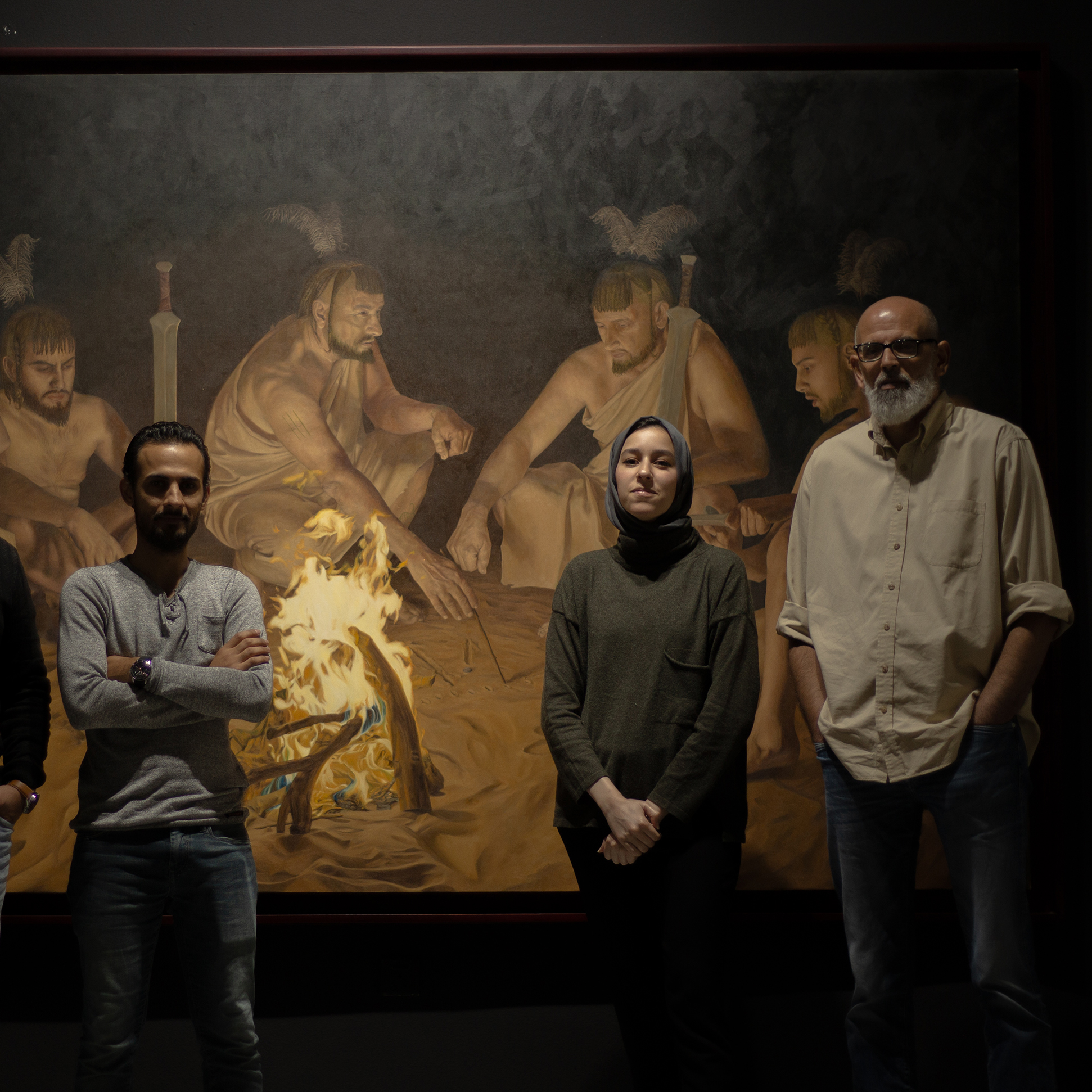
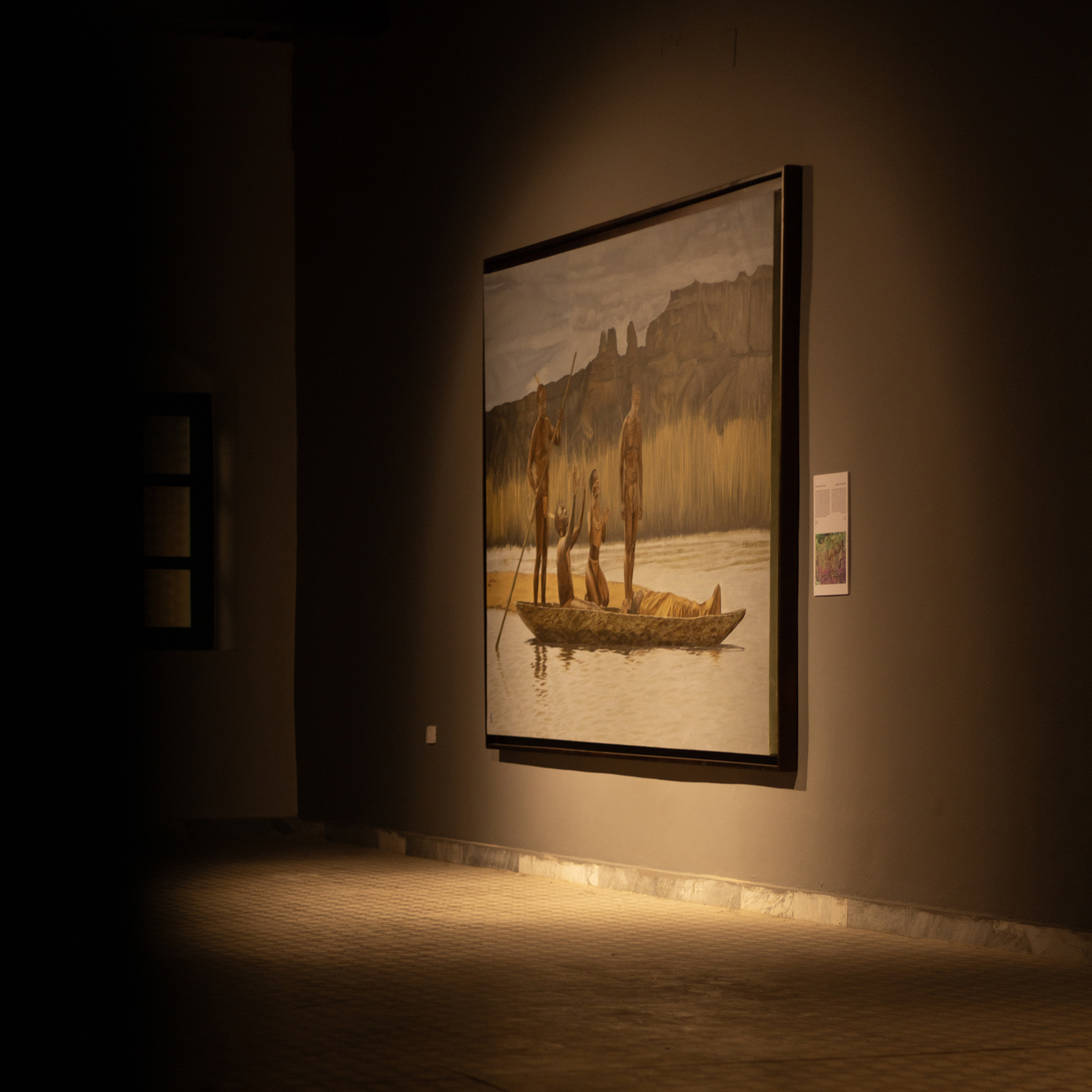
  • In 2024, we presented “Ethnolibya,” Shifa Salem’s second solo exhibition. This exhibition combined visual art—featuring six paintings, eight prints, and two sculptures—with literary perspectives drawn from two books:
  • “The Libyan Serpent Orbits: A Dialogue with the Builders of the Ancient World” by Hamza Al-Fallah. This three-chapter work examines the ethnography of ancient Libyan tribes, the Libyan-Greek cultural conflict, and the Libyan-Roman War.
  • “The Death of Miss Alexandrine Tain in Libya” by Mohamed Abdullah Al-Tarhouni is a novel that recounts the story of the Dutch explorer Alexandrine Tain and her death in Libya.

The rich tapestry of Libyan history, steeped in myth and art, has been the impetus for expanding the artistic and research experience within our project, starting from the overarching text through which we work.

Our project seeks to capture the very essence of the name: Libya, through a fresh narrative that resonates with the aspirations of the Libyan reader, whose history has suffered from neglect and stagnation for decades.

Mohammed Altrhuni

Lorem ipsum dolor sit amet, consectetur adipiscing elit. Sed non risus.

Hamza Alfallah

Lorem ipsum dolor sit amet, consectetur adipiscing elit. Sed non risus.

Shefa Salem

Lorem ipsum dolor sit amet, consectetur adipiscing elit. Sed non risus.