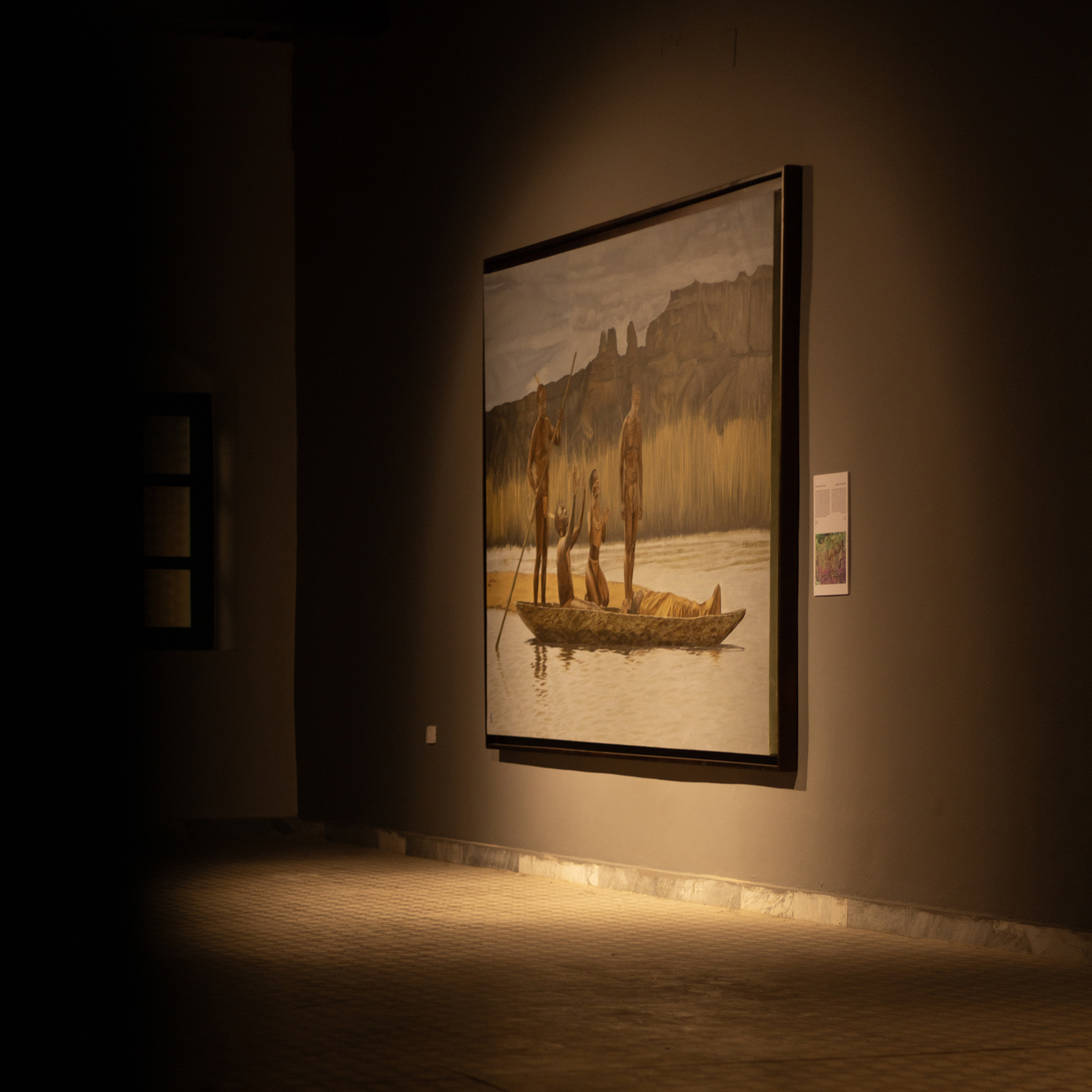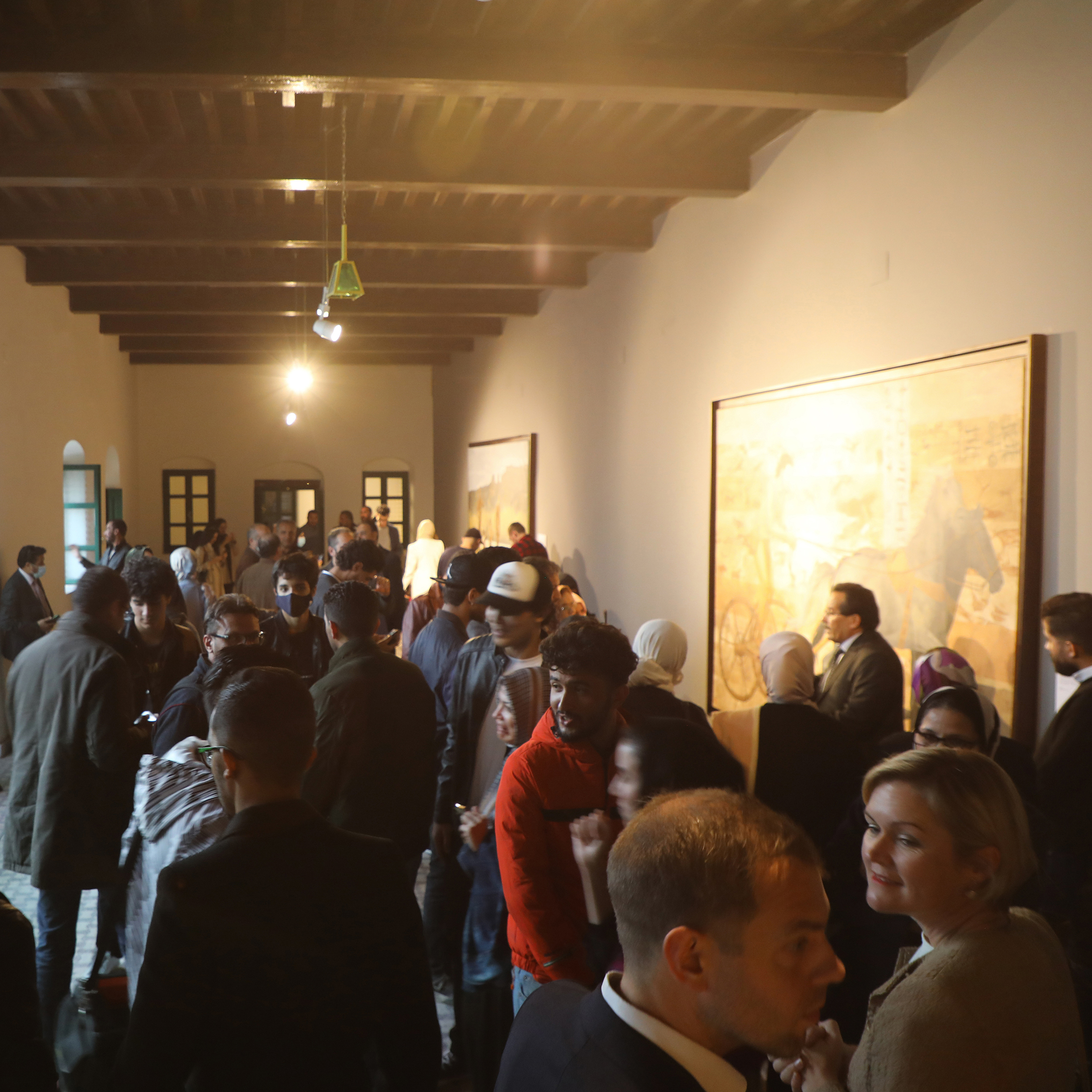
In introducing ourselves, we aspire to present our project in a manner that transcends merely showcasing artistic works, evolving into both an intellectual and practical identity. Our project is a national endeavor and an intellectual vision that seeks to write a new narrative, presenting our Libyan history to others with a poetic spirit. This aligns with what collectivity strives for in collaborative work across interconnected fields, in light of modern changes and methodologies within the realm of narrative science and the humanities—changes demanded by the interdisciplinary text.
From this standpoint, we have envisioned that working on our history should center on partnership between visual arts, literature, and other branches of these sciences as our primary goal. This is to chart a new map for Libya through the autobiography of the land and its people.
in visual art
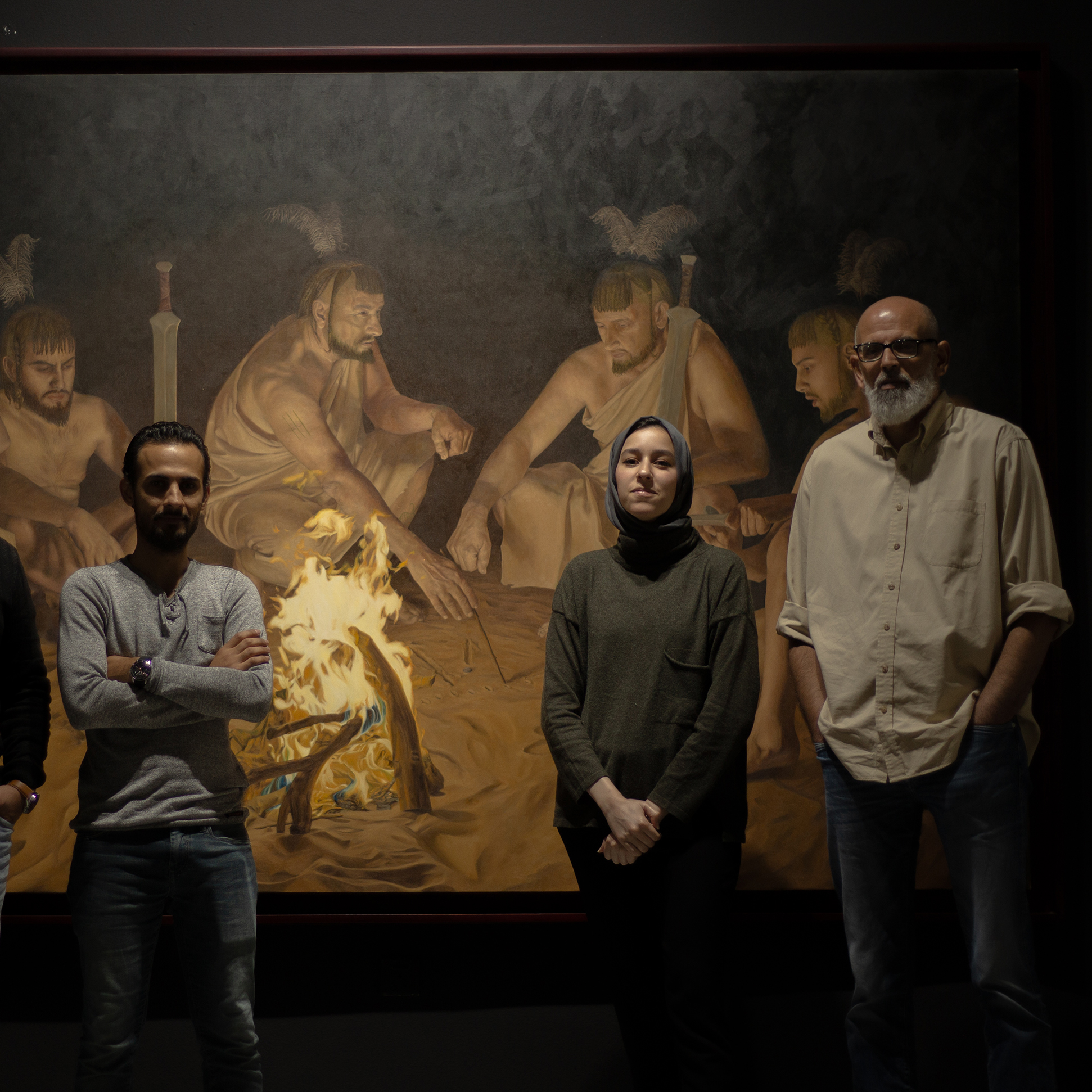
In 2020, we launched the first version of our artistic project, maintaining our main theme of visually and textually presenting Libyan history. This began with the inaugural event in Benghazi titled “Ana Libya” (I am Libya), featuring eight original paintings by artist Shefa Salem. We then moved to Tripoli for the project’s second iteration later that same year, hosted at Bait Eskander Art House.
in literature
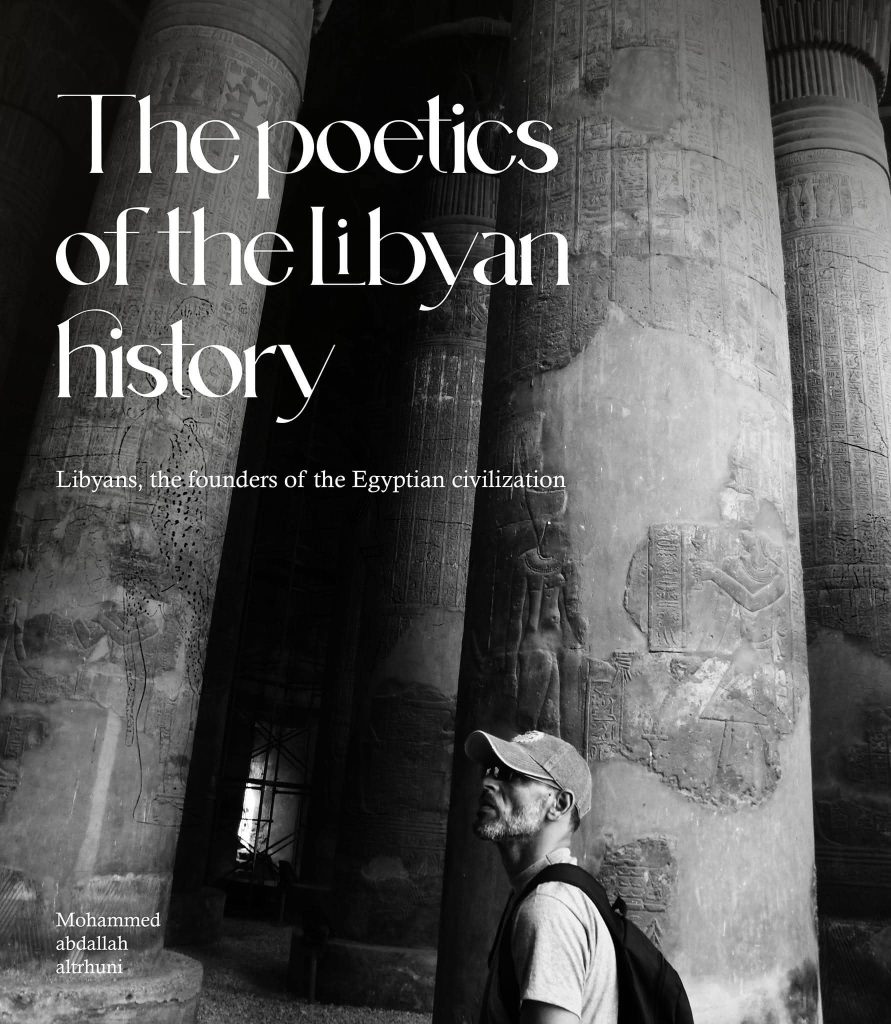
As part of the project, Tripoli Global Scientific Library published in 2023 the book “The Poetics of Libya’s History” by writer Mohamed Abdullah Al-Trhuni. The book addresses the migration of Libyans following desertification and drought from the Libyan desert to the banks of the Nile and their role in founding Egyptian civilization.
Exploration and Fieldwork
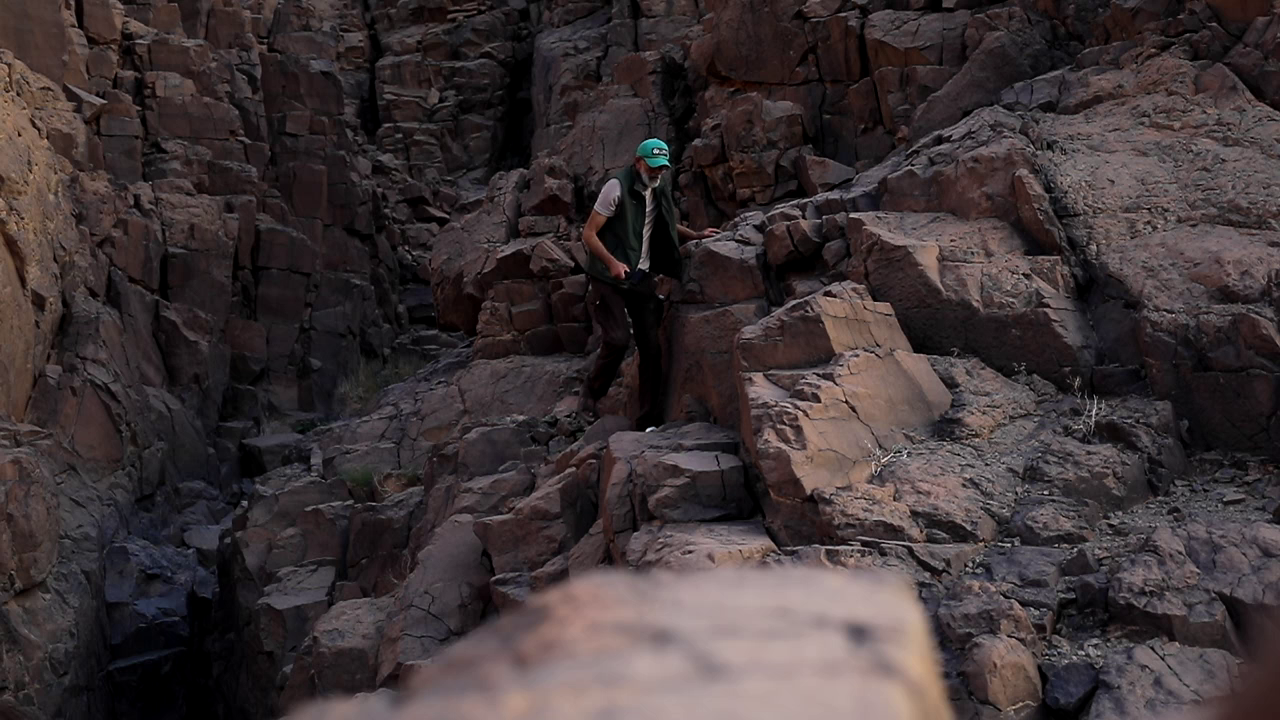
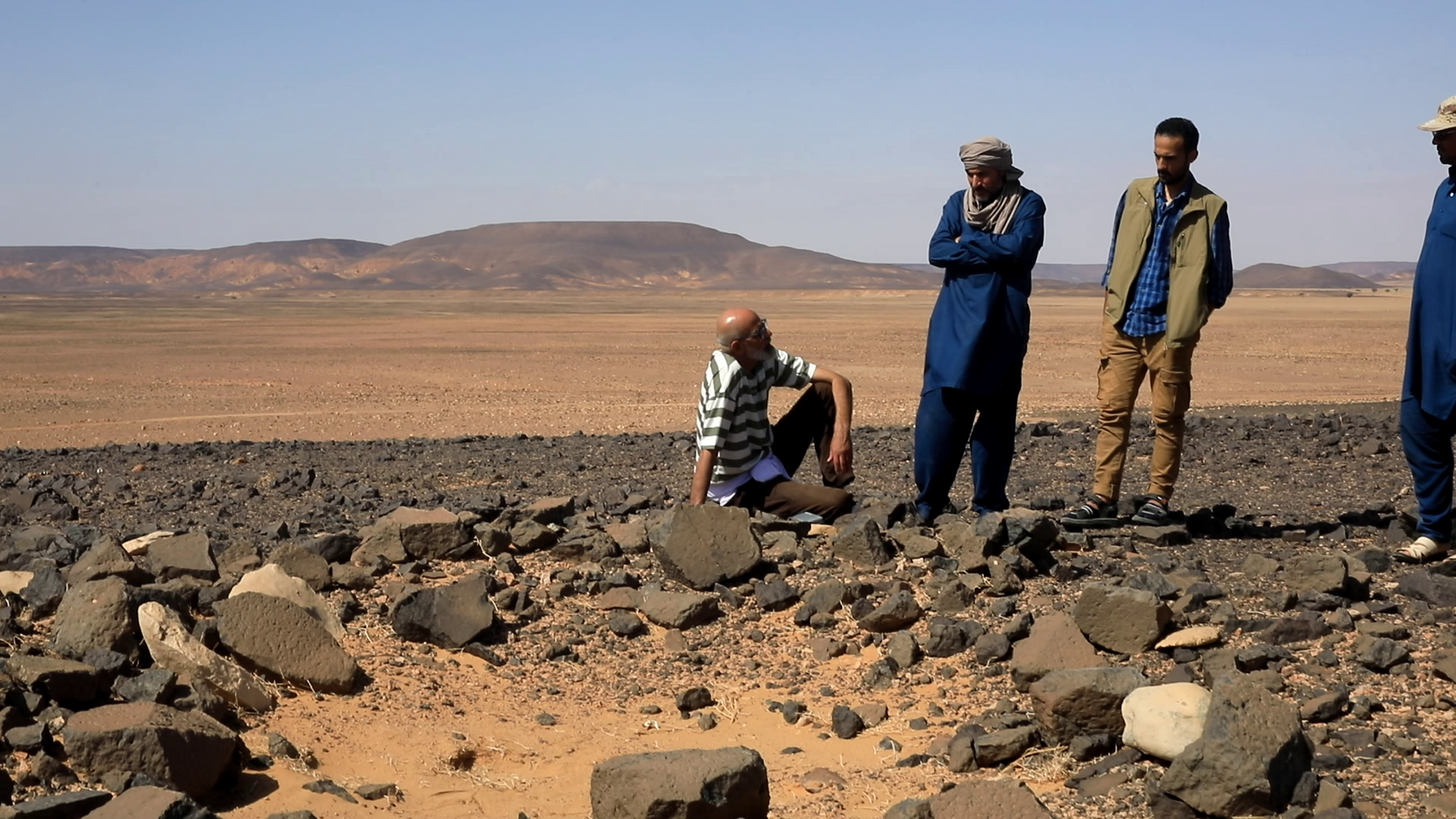
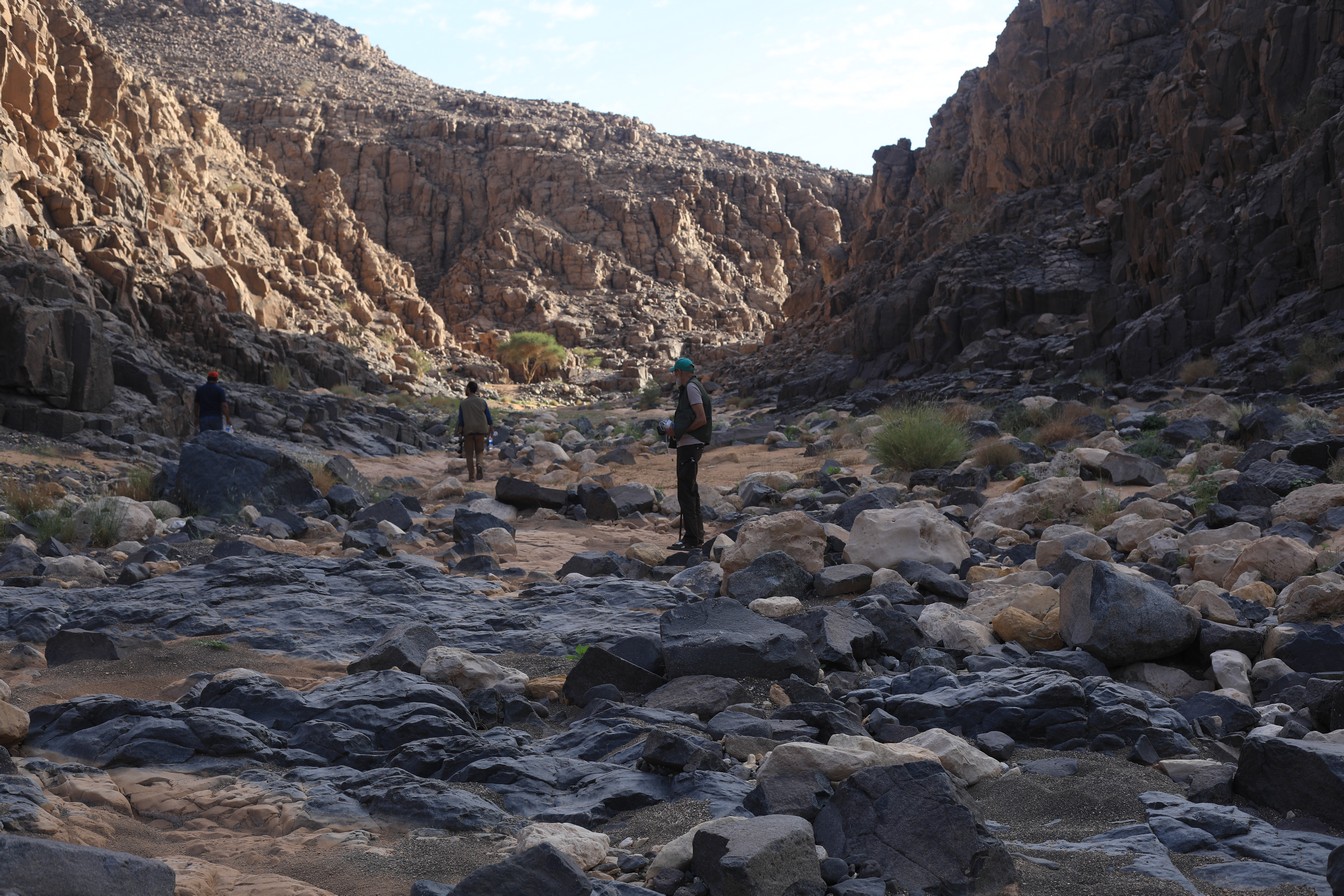
In 2024, work was carried out in the field of rock art to document and study several valleys surrounding the city of Sokna, namely: Wadi Tajent, Wadi Al-Sarrt, and Al-Qalta. The project involved the documentation of rock art panels and their archaeological study through analyzing their cultural symbols from anthropological and ethnographic perspectives. Within this framework, the shamanistic identity of Libyan rock art was identified based on the studied samples, drawing on the ethnographic references of Southern Africa in accordance with the comparative iconographic method and the cross-cultural approach.
By the coming year, 2026, a joint work is expected to be published titled:
“Land of the Garamantes – Sokna: The Passage to the Beginning”
as part of the Libyan History Project.
The book, spanning fourteen chapters, narrates our exploratory journey to the valleys of Sokna, shedding light on the region’s history and rich cultural heritage.

Writer, critic, researcher

Writer, poet, researcher

Visual artist, architect