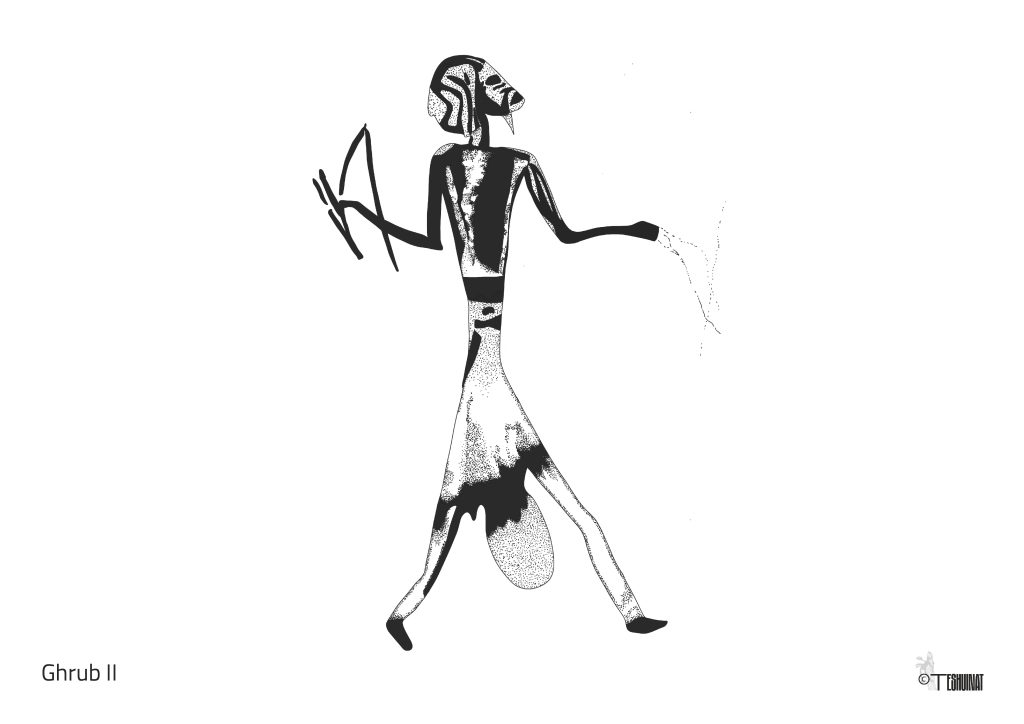
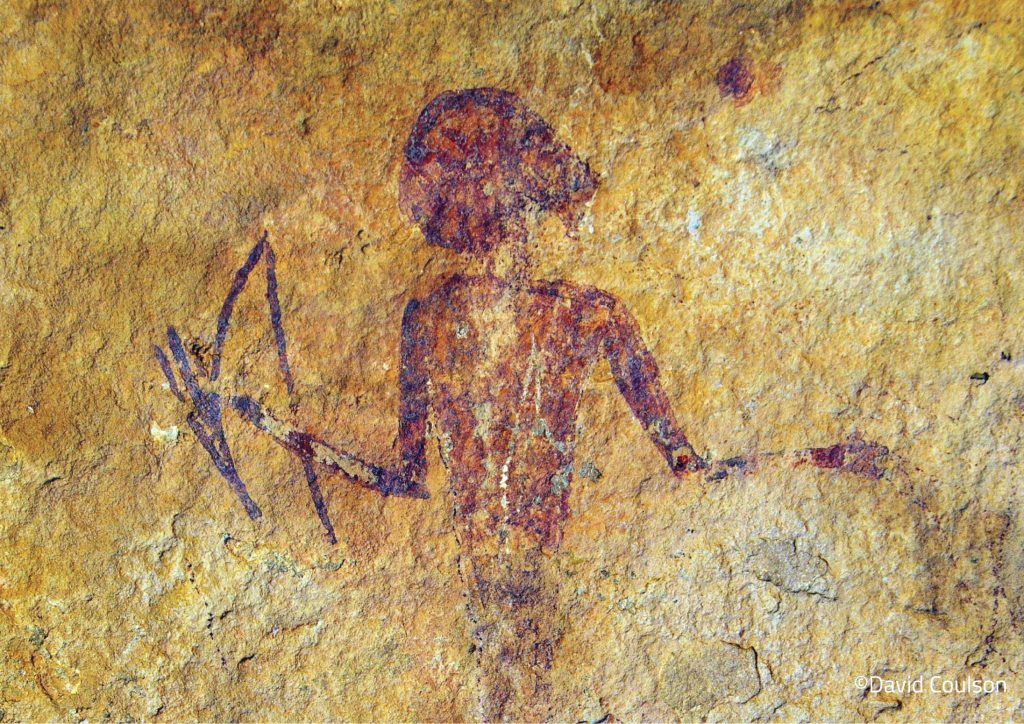
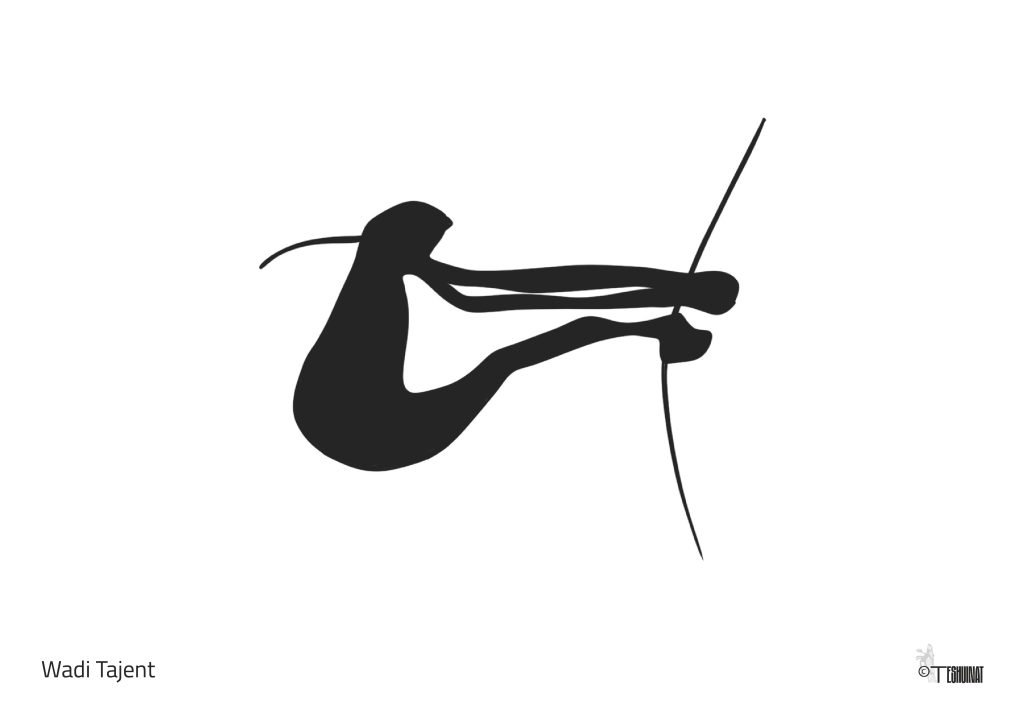
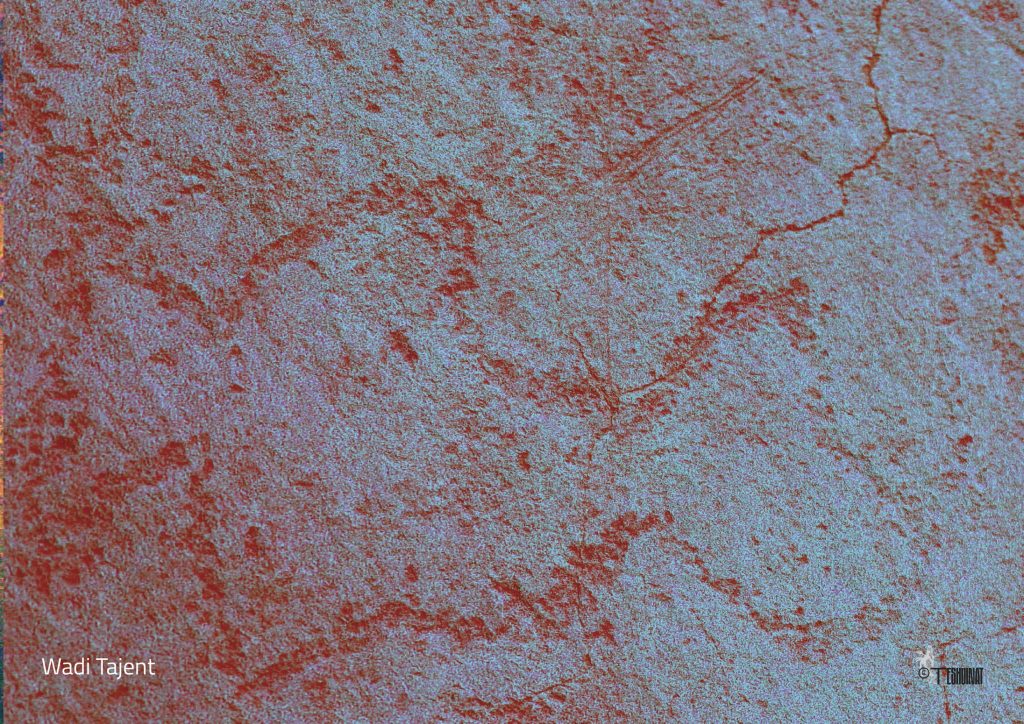
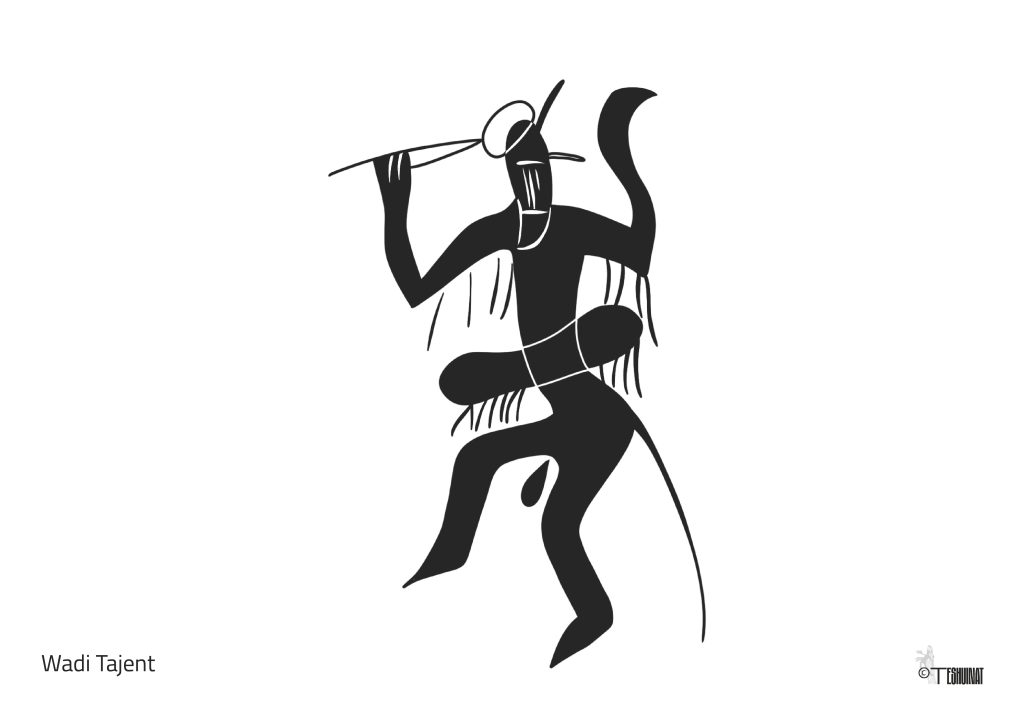
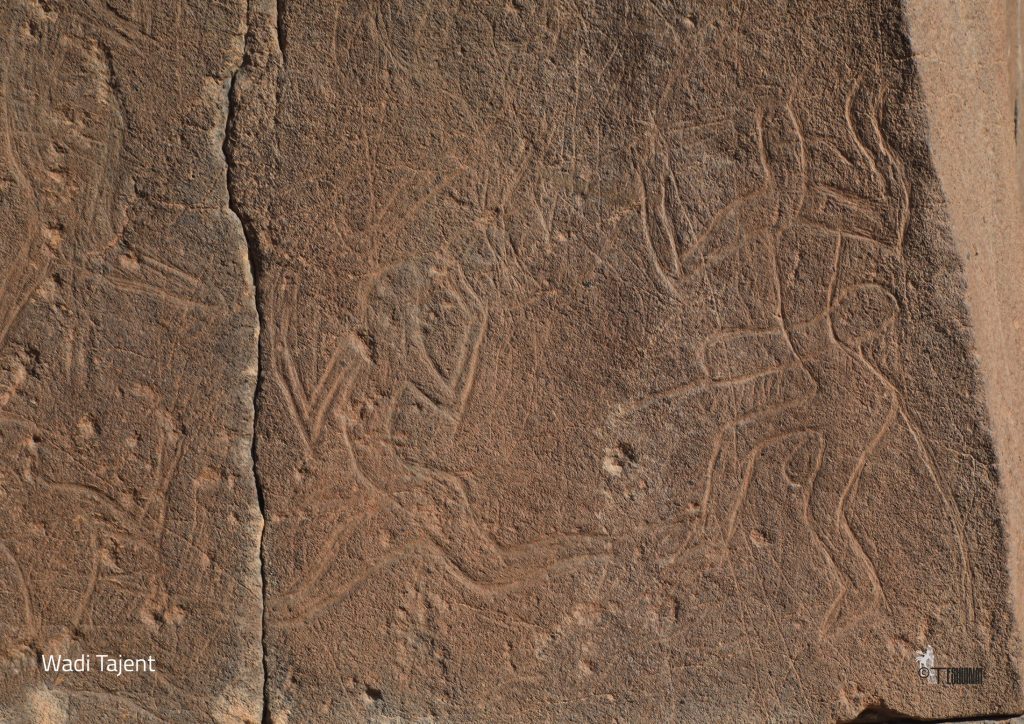
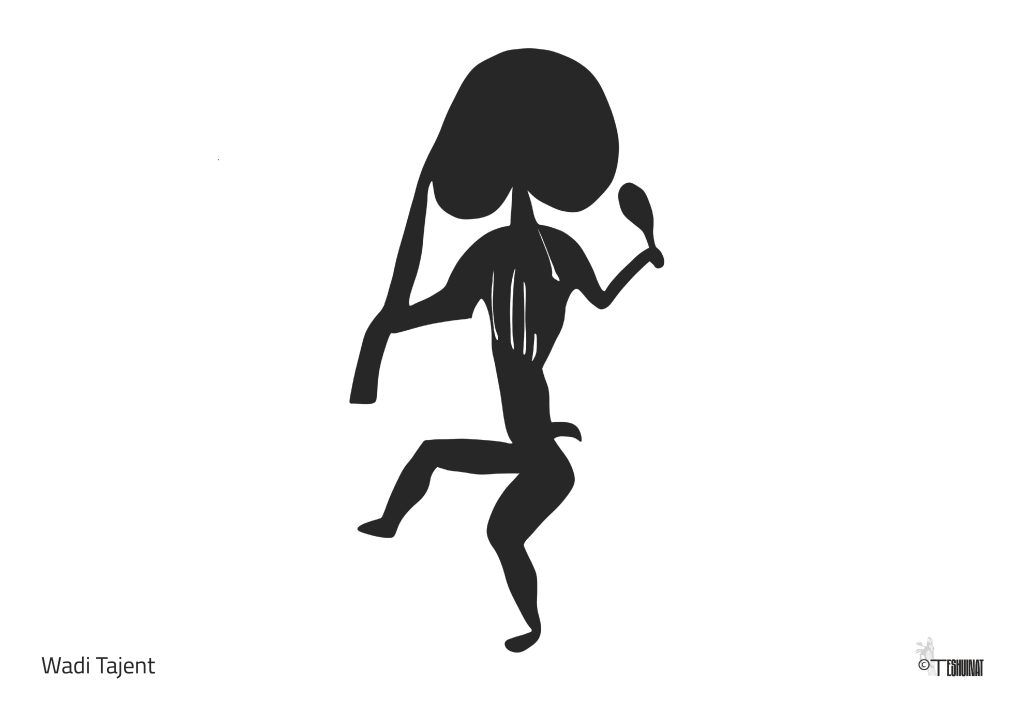
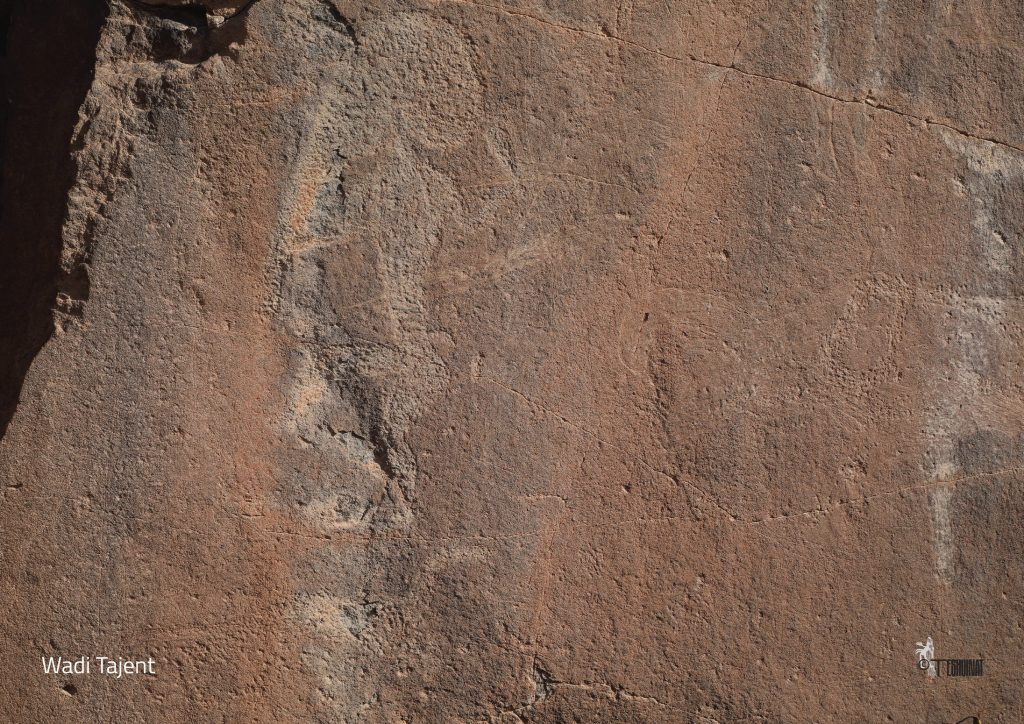
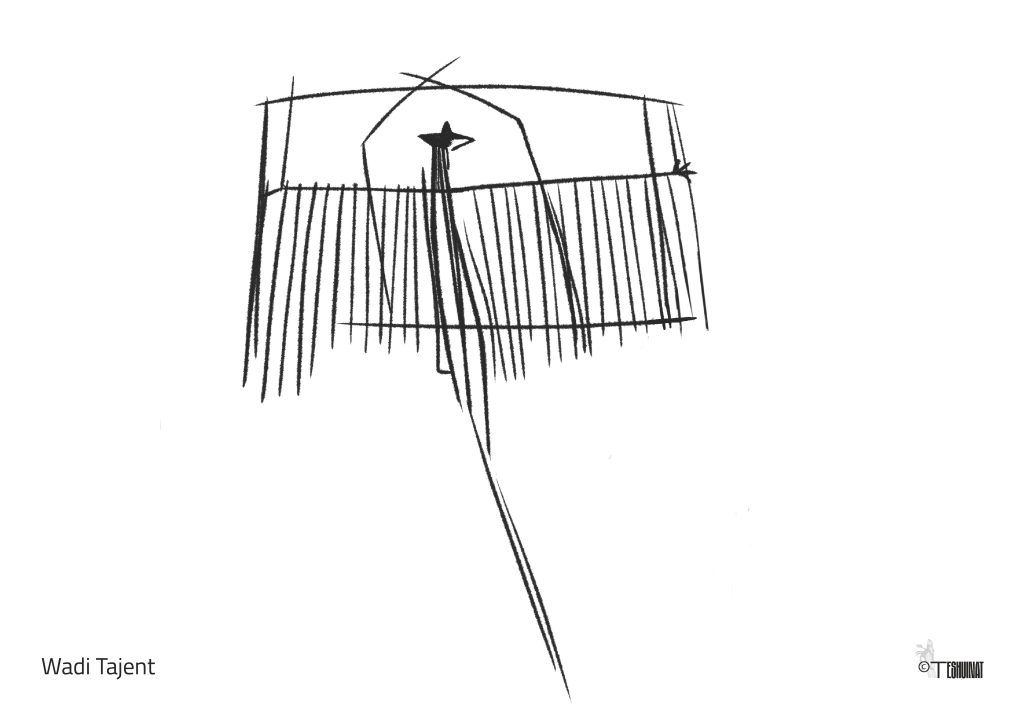
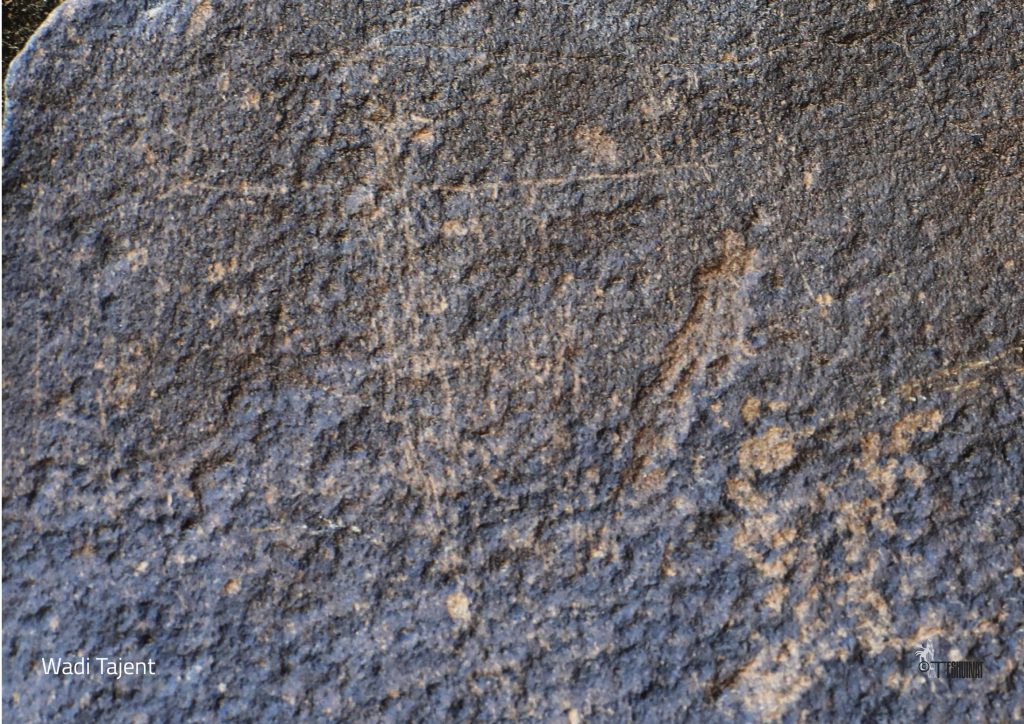
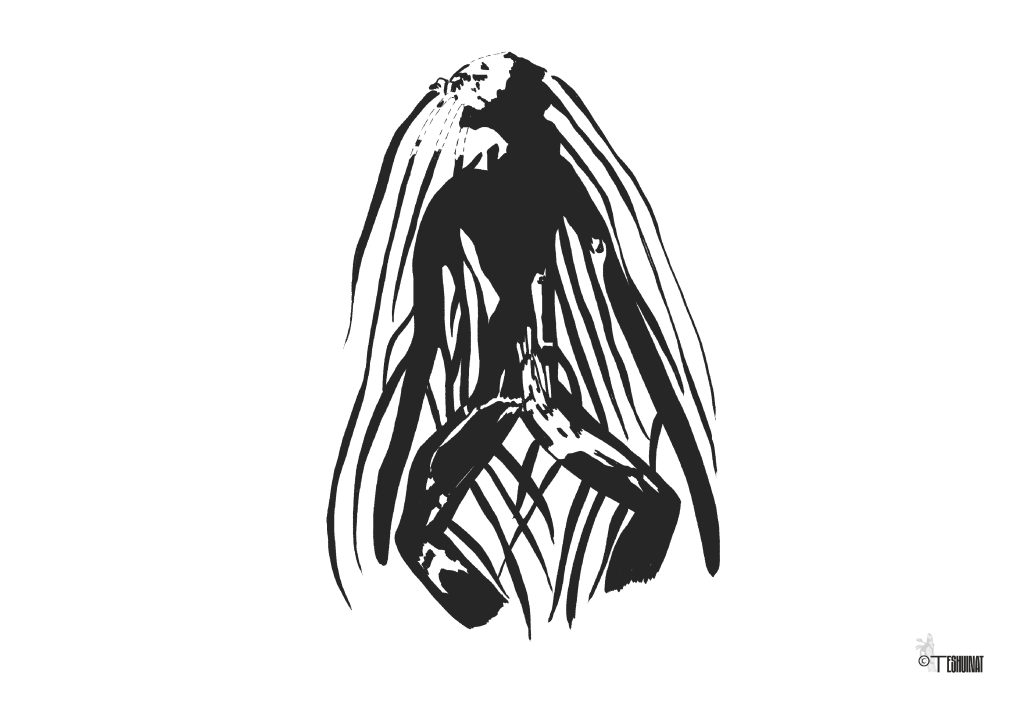
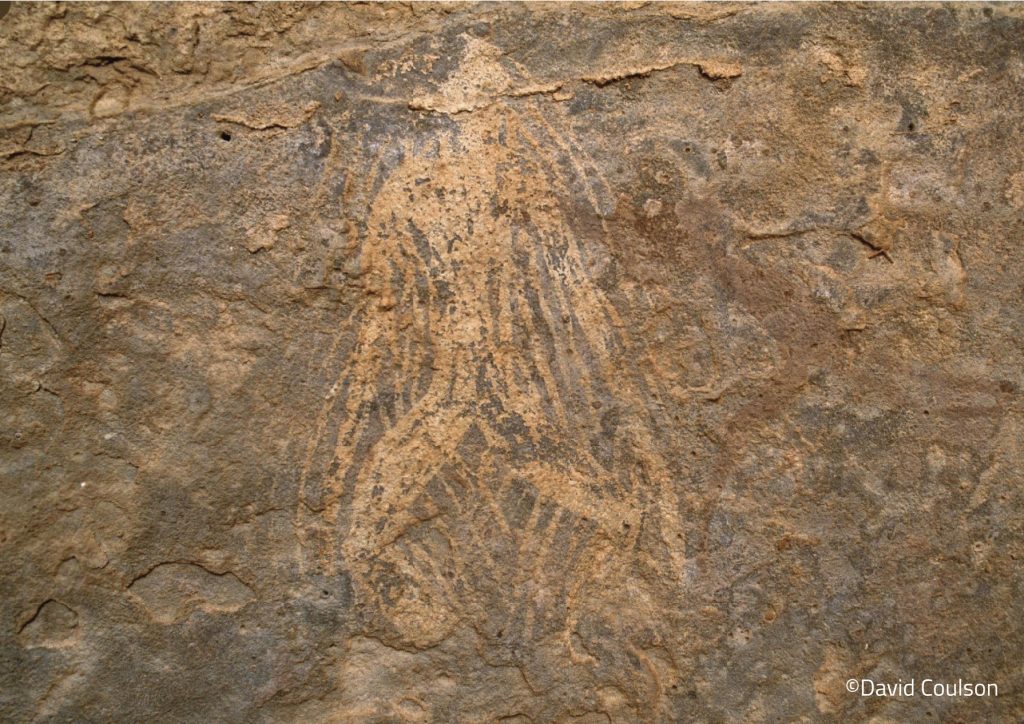
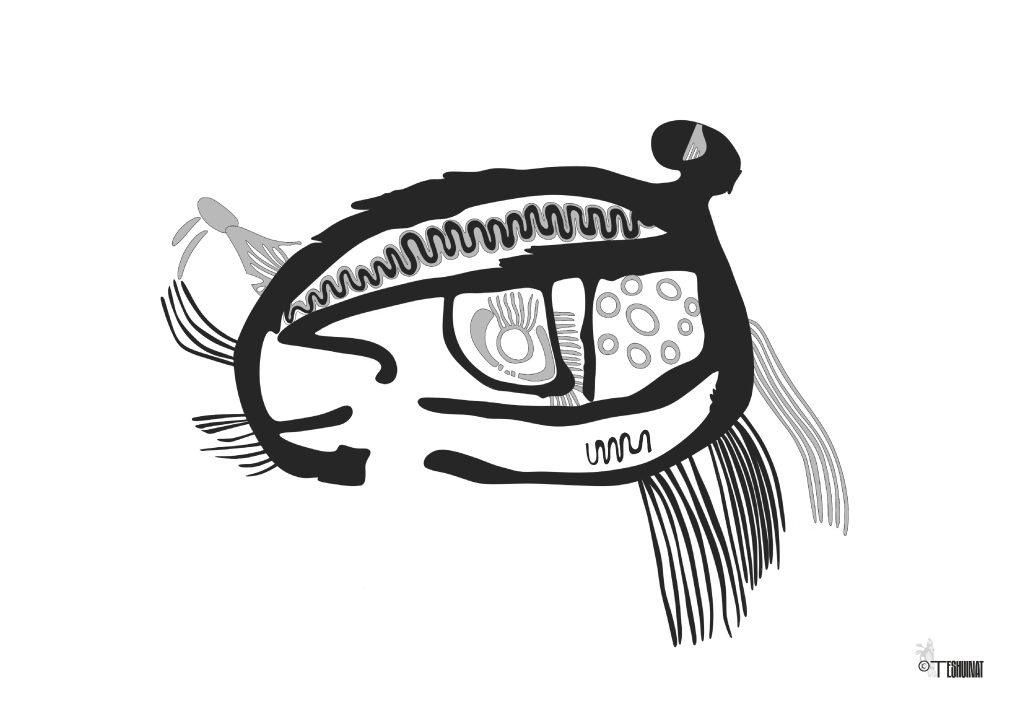
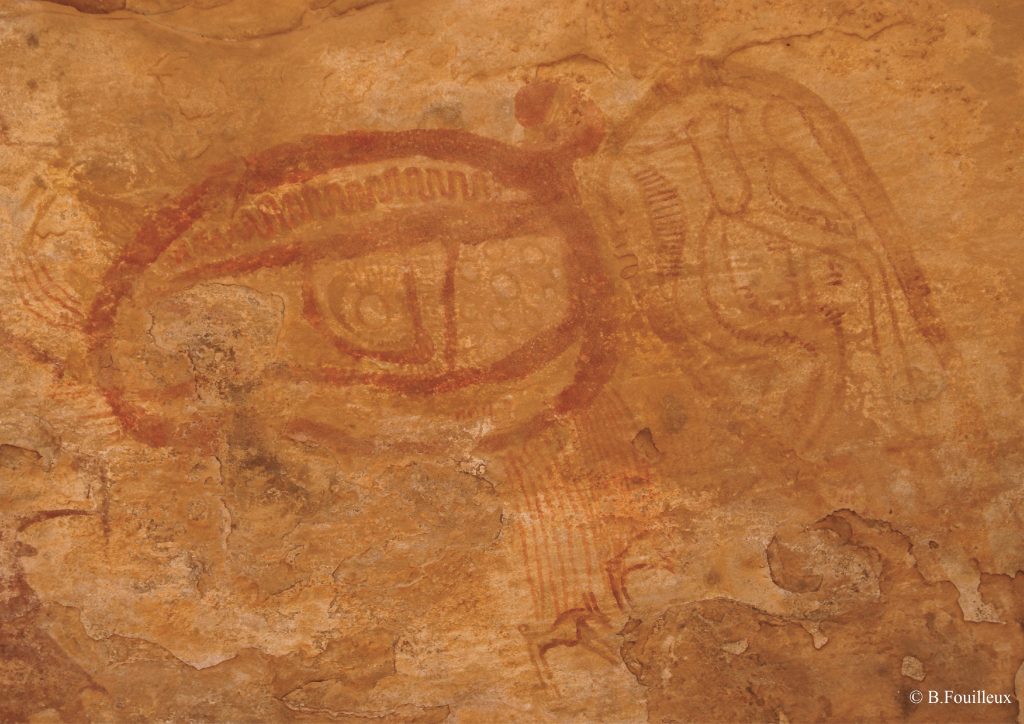
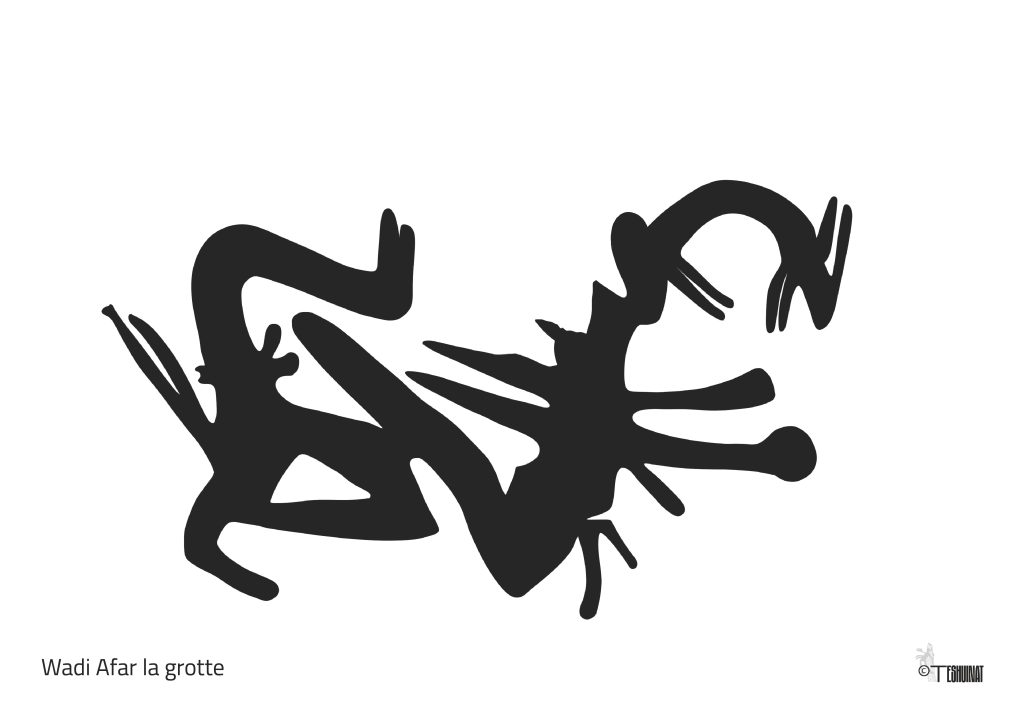
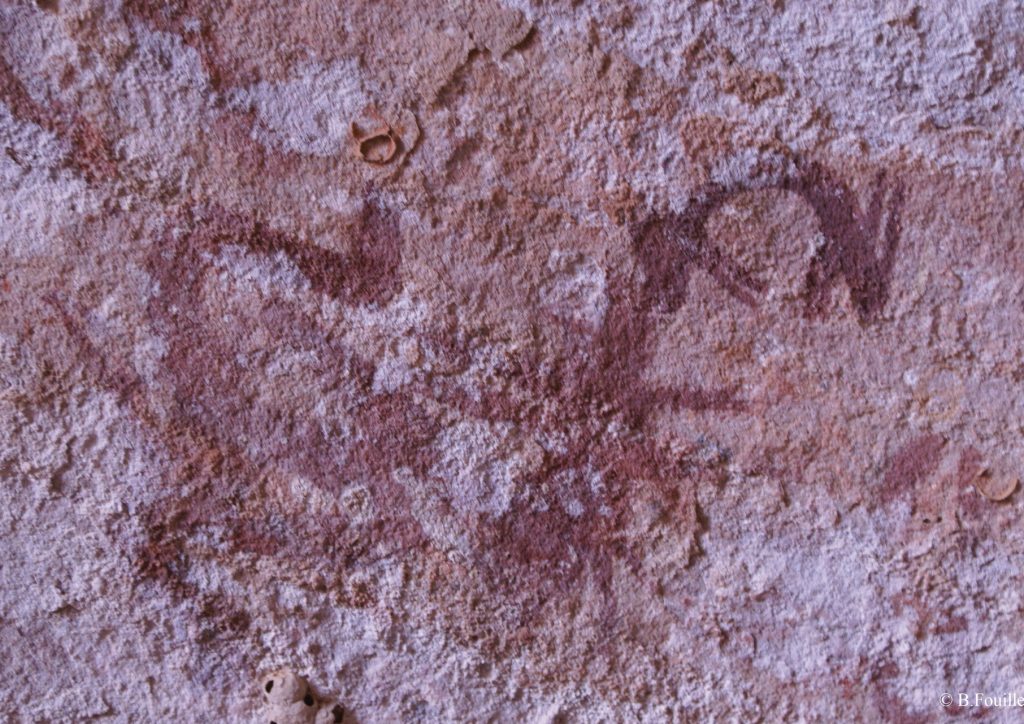
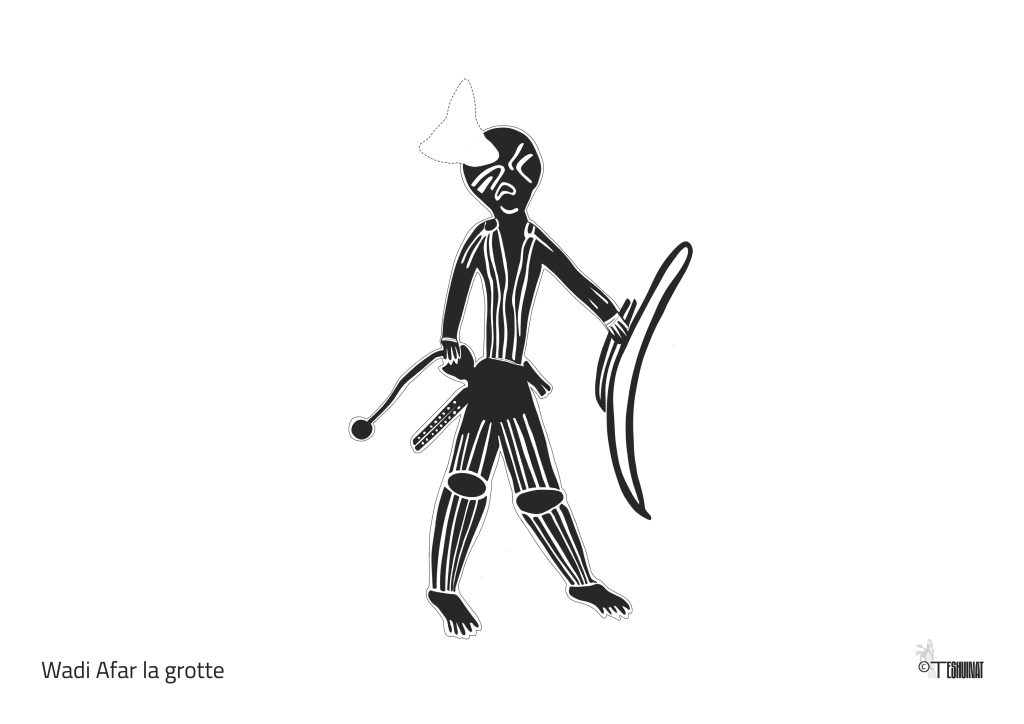
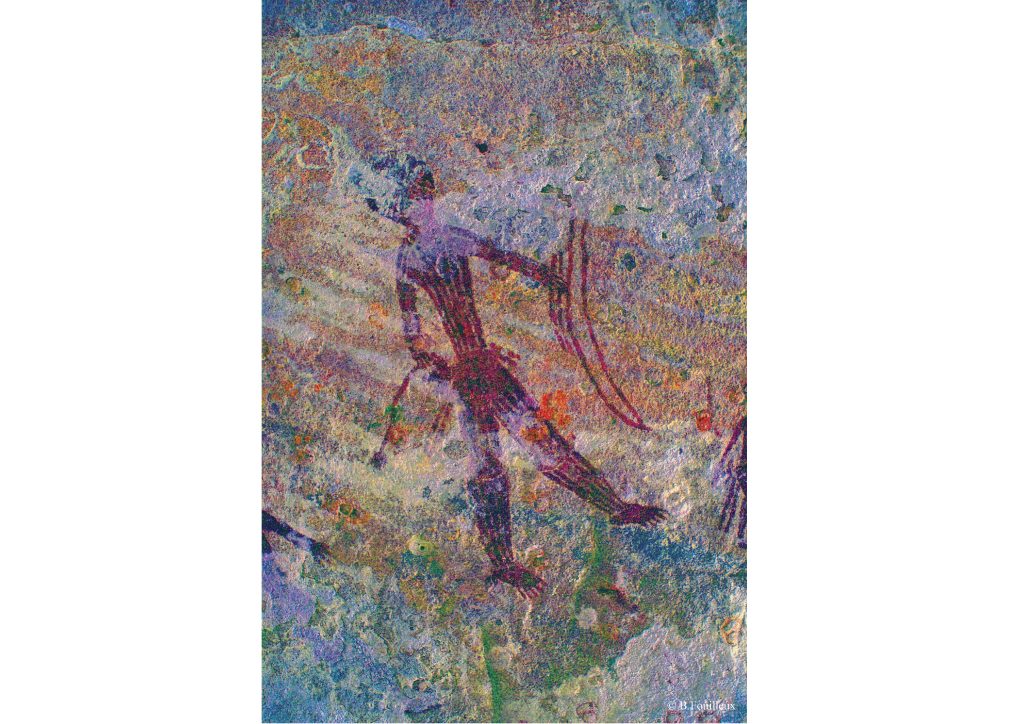
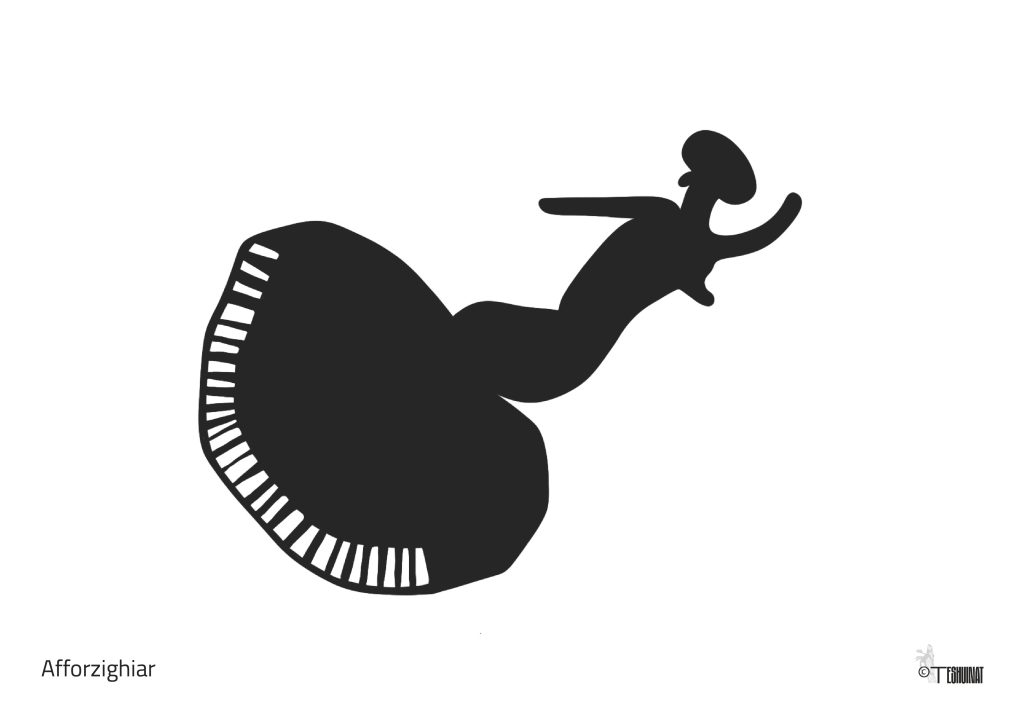
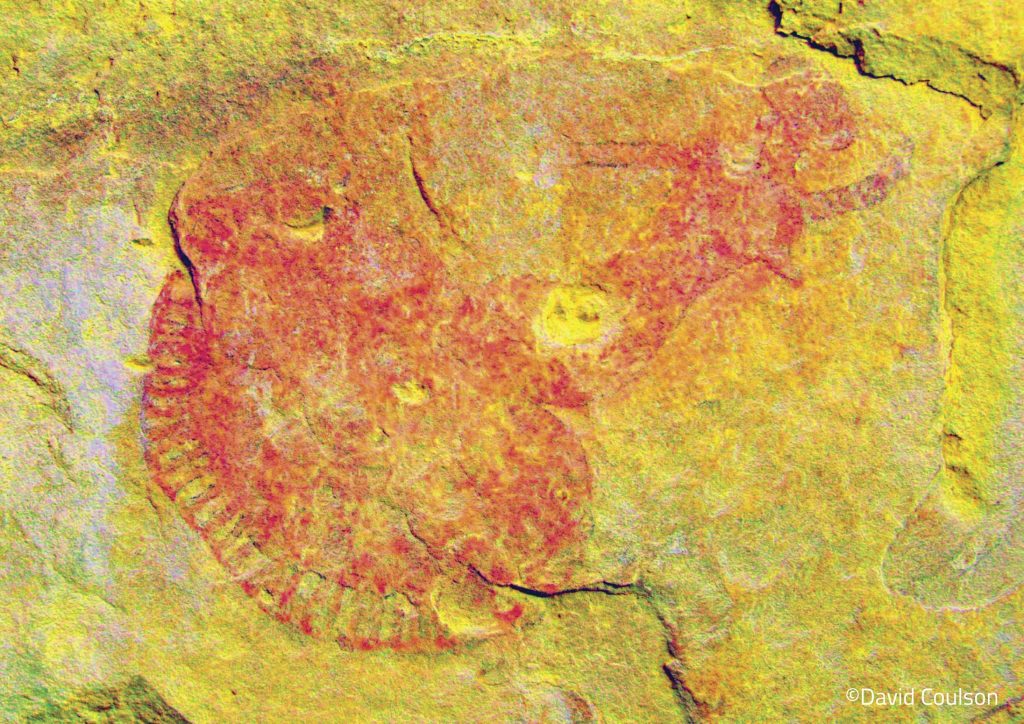
Drawing by Shefa salem
THE SHAMAN
The shaman alone is the master of ecstasy—this is the primary definition of this complex phenomenon, and perhaps the least problematic. Shaman ≠ ecstasy; not every person in a state of ecstasy can be considered a shaman. The shaman is a specialist in the trance state, during which, as Mircea Eliade states: “his soul leaves his body and ascends to seek assistance in healing the sick and bringing rain.” A distinction is often made between the shaman and practitioners who use altered states of consciousness but do not heal the sick, and practitioners who heal the sick but do not use altered states of consciousness.
The shaman who employs altered states of consciousness lives through three experiences: spirit embodiment, the shamanic journey, and temporal slippage. The shaman masters entering and exiting the altered state of consciousness, and also masters mediating between the spiritual world and the material world in service of their community. They do this through their ability to connect with spirits and the hidden world.
We must not forget that the central concept of shamanism is power. According to Christina Pratt: “The shaman undertakes journeys to places of power and there charges his power. The shaman’s most important tasks are ascending to the house of water and bringing rain, negotiating with the spirits who hold the reins of rain, struggling with them, and defeating them if necessary.” Some scholars affirm that those who painted the rock art murals were the shamans themselves, after their return from the altered state of consciousness.
Nor should we forget to mention that shamanism is a global phenomenon. Some have denied its existence in the Great Sahara, but in our book *“Land of the Garamantes: Suknah – A Journey of Passage to the Beginning” *, we have demonstrated its presence, dating back to the Upper Paleolithic.